Key Points
- Transport for London (TfL) has confirmed a major restructuring of historic bus routes 19 and 38, alongside the introduction of a new route 10, despite widespread public opposition.
- The controversial operational adjustments are officially scheduled for full implementation starting in November 2026.
- Route 19 will be truncated, no longer serving the section between Hyde Park Corner and Battersea Bridge, and will instead be rerouted to terminate at Victoria Station.
- Route 38 will be shortened significantly, terminating at Holborn (New Oxford Street) rather than Victoria Station, with its peak Saturday and Sunday frequencies reduced to every 10 minutes.
- A brand-new service, designated as Route 10, will be introduced to cover the southern gap, running between Newington Green and Battersea Bridge.
- Passenger watchdogs, local councils, and advocacy groups have raised severe concerns regarding broken journeys, increased wait times, and the disproportionate impact on elderly and disabled passengers.
- TfL defends the decision as a necessary step to tackle a severe drop in passenger demand on route 38 and persistent unreliability along route 19, aiming to build a more financially sustainable transport network.
London (Extra London News) July 10, 2026 – Transport for London (TfL) is pressing ahead with a sweeping reorganisation of several of its most high-profile red bus services across north, central, east, and south London, deliberately overriding substantial public and stakeholder backlash. The transport authority announced that the contentious modifications to routes 19 and 38, alongside the launch of a new supplementary route 10, are officially locked into the capital’s transit schedule for implementation in November 2026. This definitive decision follows an extensive public consultation process conducted earlier this year, which laid bare deep-seated anxieties among local residents who depend on these legacy corridors for daily commuting, medical access, and late-night travel.
- Key Points
- Why is Transport for London restructuring routes 19 and 38?
- How exactly will route 19 change for passengers?
- What are the specific changes planned for route 38?
- What is the new route 10 and who will it serve?
- Why are passengers and watchdogs expressing backlash?
- What did London TravelWatch say about broken journeys?
- How will elderly and disabled passengers be affected according to Age UK?
- What are political leaders saying about the reduced frequencies?
- How does Transport for London plan to mitigate the negative impacts?
- How does the Mayor’s Hopper Fare help affected commuters?
- What adjustments were made to the Night Bus N38 service?
- What does the data show about declining London bus ridership?
- What are the next steps for implementation in November 2026?
Why is Transport for London restructuring routes 19 and 38?
The structural adjustments have emerged from a comprehensive evaluation of shifting travel patterns and post-pandemic transit realities within the capital. According to official documentation released by TfL, passenger demand on route 38 has experienced a significant and sustained contraction, rendering the historical capacity levels highly inefficient. Specifically, data analysis conducted by transit planners revealed an over-provision of vehicles relative to actual usage, particularly on the busy sections linking Victoria to the West End and between Hackney and Essex Road.
Conversely, route 19 has long been plagued by operational volatility and structural delays. Planners identified that the longest and most traffic-prone segments of the route severely compromised its overall punctuality, with the single highest passenger volume concentrated around Islington Green. By shortening the physical footprint of both routes and eliminating overlapping services, transport officials argue they can inject a higher degree of scheduling precision while simultaneously reducing the financial burden of operating under-utilised double-decker buses.
How exactly will route 19 change for passengers?
For decades, route 19 has served as a vital cross-river connection, linking the transport hub of Finsbury Park in north London with the residential and commercial districts surrounding Battersea Bridge in south London. Under the newly approved scheme, this continuous cross-river link will be permanently severed. Route 19 will continue to originate at Finsbury Park, but upon reaching Hyde Park Corner, it will divert entirely away from its southern heading. Instead of crossing the River Thames toward Battersea, the service will terminate at Victoria Station, effectively taking over the western terminal infrastructure vacated by the revised route 38.
To cushion the blow of this disruption, TfL has integrated minor service enhancements into the final plan. Early Sunday morning services on route 19 will see a modest increase in frequency, with buses scheduled to arrive every 12 minutes rather than the current 15-minute intervals. However, during standard operational hours, passengers attempting to travel from north London directly down to the King’s Road or Battersea on a single bus will find their direct journeys halted, forcing an interchange at central transit nodes.
What are the specific changes planned for route 38?
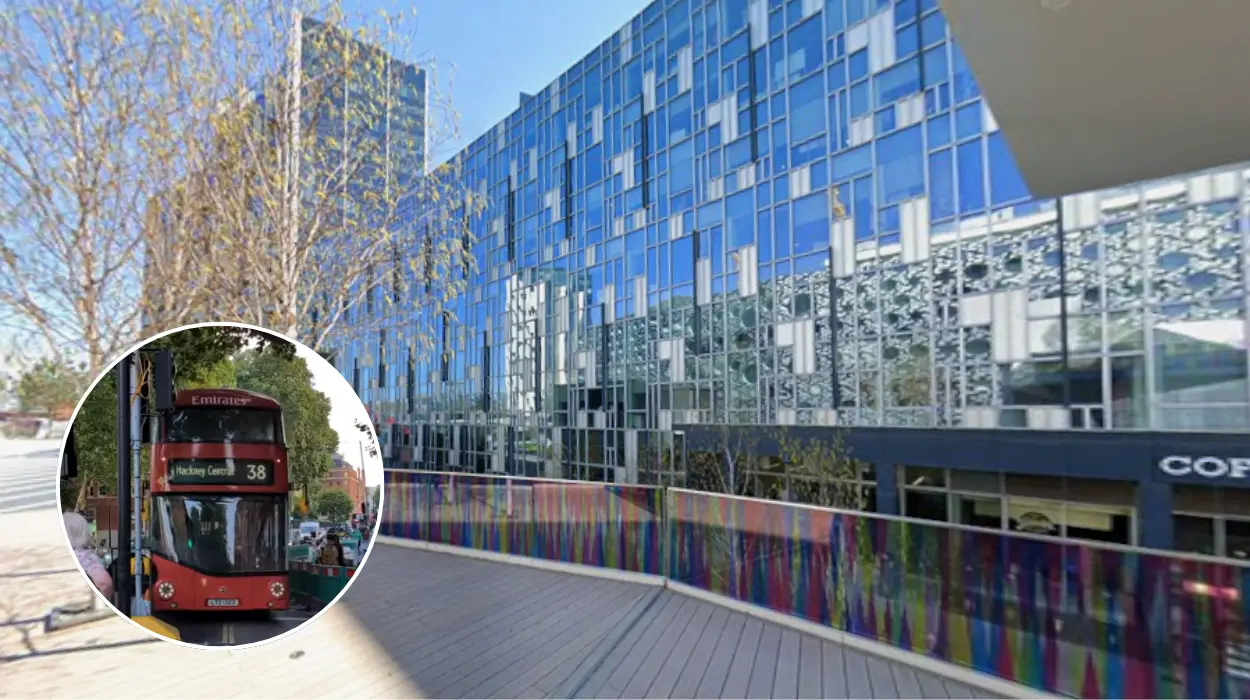
As one of London’s most historic and heavily utilised transit corridors, route 38 currently maintains an extensive route map operating between Victoria Station and Clapton Pond. To match what it describes as a steep decline in passenger numbers heading to and from Victoria, TfL will officially curtail the western section of route 38. From November 2026, the service will no longer travel west of Holborn, establishing its new terminus at New Oxford Street. This change completely removes route 38 from its traditional path through Tottenham Court Road, Piccadilly Circus, Hyde Park Corner, and Victoria.
Furthermore, passengers will face noticeable reductions in service frequency. Saturday daytime timetables will see buses arrive every 10 minutes, a stark contrast to the historical high-frequency standard of every 5 minutes. Similarly, Sunday morning and evening frequencies will stretch out to every 10 minutes, compared to the current 7-to-8-minute standard. Additionally, a secondary Monday-to-Friday daytime leg that previously extended services specifically to Clapton Bus Garage will be completely withdrawn, consolidating all remaining route 38 operations exclusively between Clapton Pond and Holborn.
What is the new route 10 and who will it serve?
In an effort to mitigate the regional connectivity gaps left behind by the truncation of routes 19 and 38, TfL will introduce a brand-new service designated as route 10. While early planning documentation initially suggested terminating this new line at Mildmay Park, feedback compiled from the public consultation prompted transit planners to extend the northern terminal to the south side of Newington Green. This modification aims to restore a degree of direct localized access for residents within the Islington and Hackney border regions.
Route 10 will operate dynamically between Newington Green and Battersea Bridge, essentially absorbing the southern geographical footprint abandoned by route 19. According to TfL’s finalized deployment plan, route 10 will maintain a standard frequency of every 10 minutes from Monday to Saturday during daytime hours. During late evenings and all day on Sundays, the frequency will adjust to a 12-minute interval. While this creates a fresh, direct link between Battersea, Knightsbridge, and Essex Road, critics emphasize that it introduces a brand-new route number to handle segments previously covered by established, unified lines.
Why are passengers and watchdogs expressing backlash?
The decision to advance these changes has triggered substantial resistance from transport advocates, local politicians, and passenger watchdog organizations. The core of the public grievance centers on the concept of “broken journeys”—a term used to describe trips that previously required a single single-deck or double-decker ride but will now require passengers to disembark and wait for a second connecting bus.
What did London TravelWatch say about broken journeys?
The independent transport watchdog for the capital has been highly vocal regarding the hidden friction these adjustments will introduce to the daily commute. In an official organizational assessment published by London TravelWatch, policy analysts expressed severe reservations about truncating routes purely to solve structural gridlock. The watchdog’s official response emphasized a critical systemic concern:
“London TravelWatch understands the principle of TfL reviewing and adapting the bus network to make the most effective use of its resources by trying to match capacity with demand. However, we are troubled when bus routes are reduced in length due to problems with reliability and many passengers inconvenienced as a result.”
The watchdog further noted that their internal research indicates only two in five Londoners believe they can consistently rely on buses to arrive on time, with one-third citing slow operational speeds as a primary deterrent. London TravelWatch has explicitly urged TfL to prioritize fixing road congestion in collaboration with local borough councils, rather than cutting long-standing routes. They have demanded that the new termini at Holborn be situated as close as possible to Tottenham Court Road station to allow smooth transfers to the Central, Northern, and Elizabeth lines.
How will elderly and disabled passengers be affected according to Age UK?
Advocacy groups focusing on vulnerable demographics have warned that the restructuring will impose disproportionate physical and financial strains on specific communities. As highlighted in regional reporting, representatives from Age UK expressed profound concern over the cumulative effect of these changes on older Londoners and those living with visible or hidden disabilities.
For these passengers, the necessity of changing buses is not merely an inconvenience; it represents a major physical barrier. Transferring between vehicles requires navigating crowded pavements, enduring prolonged exposure to inclement weather at bus stops, and managing the physical toll of boarding and alighting multiple times. Age UK emphasized that such friction directly threatens the independence of older citizens, potentially discouraging them from utilizing public transport for essential medical appointments at central London hospitals.
What are political leaders saying about the reduced frequencies?
The political pushback has been led by local representatives who argue that reducing the frequency of core services will trigger a negative spiral in passenger numbers. As reported by transport reporters covering the London Assembly, Caroline Russell, the leader of the Green Party on the London Assembly and an active Islington councillor, stated that “the proposed reduction in service frequency is what concerns me most as longer waits could discourage people from using buses altogether.”
Assembly members have pointed out that according to TfL’s own Equality Impact Assessment (EqIA), the restructuring will disrupt an estimated 356 daily passenger trips on route 19 between Knightsbridge and north Angel. Even more starkly, it will break approximately 1,007 daily trips on route 38 between Victoria and regions north of Angel. Critics argue that forcing over 1,300 passengers every single day to alter their established travel habits runs completely counter to City Hall’s broader environmental goals of promoting clean, collective surface transport.
How does Transport for London plan to mitigate the negative impacts?
In releasing its finalized consultation response, TfL acknowledged the public anxiety but maintained that the modifications are vital for the long-term health of the city’s transport infrastructure. To address the severe concerns raised regarding broken journeys and increased cost, the transport body pointed directly to London’s integrated ticketing features and specific timetable expansions designed to minimize structural gaps.
How does the Mayor’s Hopper Fare help affected commuters?
A central component of TfL’s defense is the utilization of the Mayor’s Hopper Fare system. Under this fare structure, passengers using Oyster or contactless payment methods can make unlimited bus and tram journeys within one hour of their initial touch-in for a single flat fee. TfL officials stress that while hundreds of passengers on routes 19 and 38 will now be forced to change buses at major hubs like Angel station, they will not incur any additional financial penalty for doing so. To facilitate these transfers, TfL has committed to optimizing physical interchange locations, ensuring that shelters, modern lighting, and real-time electronic information displays are fully operational to make transitions as seamless as possible.
What adjustments were made to the Night Bus N38 service?
Public feedback strongly highlighted the danger of losing affordable, direct night-time and early-morning access between the West End and eastern hubs like Hackney. In direct response to these specific consultation concerns, TfL modified its original proposal to include an expanded window for the Night Bus N38 service. While standard daytime route 38 buses will turn back at Holborn, the N38 variant will retain its full historical route to Victoria. To ensure commuters are not left stranded, the N38 will begin running an hour earlier in the evening and will extend its operational window an hour later into the morning all week, preserving vital 24-hour through-connectivity for the city’s night-time economy workers.
Explore more Local London News:
Shafi Islam Diagnosed With Rare Stage Four Lymphoma: Tower Hamlets 2026
Ealing Council Delivers 92 New Affordable Homes: Northolt 2026
What does the data show about declining London bus ridership?
The restructuring arrives at a critical juncture for the capital’s surface transport network, which is facing an accelerating decline in overall ridership. Official data compiled from Transport for London records indicates that total bus demand fell by 1.5 per cent over the past fiscal year. When viewed through a broader historical lens, this represents a staggering 22.8 per cent decrease from the network’s peak ridership recorded in 2015.
| Metric | Detail / Statistical Trend |
| Overall Demand Shift | 22.8% decrease in total London bus ridership since the 2015 peak. |
| Route 19 Broken Trips | 356 daily passenger journeys disrupted between Knightsbridge and Angel. |
| Route 38 Broken Trips | 1,007 daily passenger journeys disrupted between Victoria and West End/Hackney. |
| Balls Pond Road Impact | Route capacity reduced by approximately 50%, leading to heavier passenger crowding. |
This drop in ridership has occurred despite highly protective fare policies, with standard fares rising by a mere 25p over the entire course of the last decade—a rate tracking significantly below national inflation. Transport analysts point out that severe cross-city road congestion has systematically lowered average bus speeds, making surface transit less attractive compared to the expanding rail and London Underground options.
What are the next steps for implementation in November 2026?
With the public consultation officially concluded and the mitigation amendments finalized, TfL is entering the operational preparation phase. Engineers and timetable schedulers are tasked with updating digital transit frameworks, restructuring driver rotas across multiple bus garages, and physically altering roadside signage and maps at hundreds of bus stops stretching from Finsbury Park down to Battersea.
Spokespersons for the transport body have reconfirmed that all service levels, passenger loading metrics, and crowd distributions—especially along the heavily impacted Essex Road to Holborn corridor and the potentially congested Balls Pond Road—will be subjected to continuous, rigorous review once the changes take effect in November 2026. The coming months will reveal whether these structural cuts succeed in creating a more resilient, financially stable surface network, or if the passenger backlash will translate into an even greater exodus of commuters from London’s iconic red buses.