Key Points
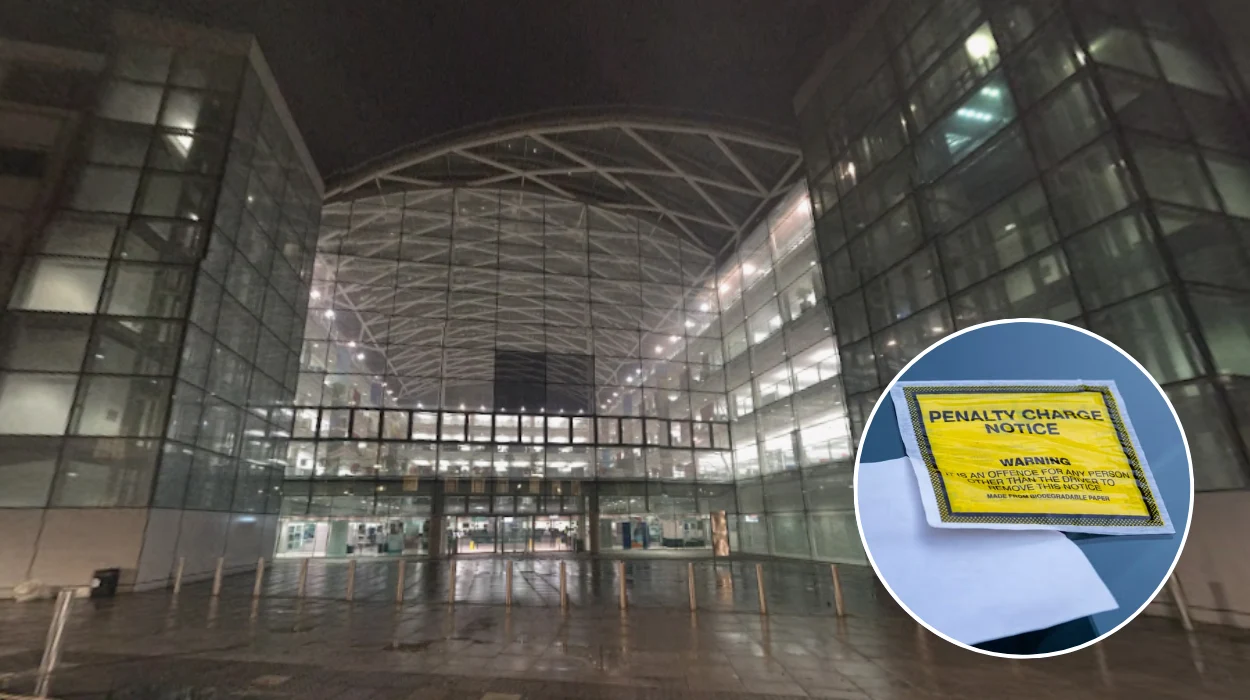
- Hackney Council employees spent a grand total of £10,253 on parking charges, enforcement, and road penalty fines over a 12-month period.
- The figures, covering the financial period between 1 April 2025 and 31 March 2026, were uncovered via a Freedom of Information (FOI) request analyzing expenditure entries under £250.
- Over half of the total expenditure—amounting to £5,640—was utilized to settle 47 separate Penalty Charge Notices (PCNs) issued by Transport for London (TfL) for driving and parking infractions.
- The local authority also incurred £4,613 in further parking penalties, which remarkably included fines issued within its own managed car parks.
- Waltham Forest Council was the largest external local authority recipient, clawing in £3,100 from Hackney Council in penalty charges.
- Private parking enforcement firms also profited, with payments distributed to UK Parking Control (£233), ParkingEye (£206), and National Parking Enforcement (£160).
- In addition to punitive fines, the council spent approximately £490 on legitimate, routine parking costs and £850 on standard Transport for London fees, including the Ultra Low Emission Zone (ULEZ) and Congestion Charges.
- The spending has sparked immense public backlash from the TaxPayers’ Alliance, with calls for the staff members responsible to personally reimburse taxpayers for the “wasted” public funds.
- In contrast to its own parking compliance failures, data reveals that Hackney Council generated an astonishing £11.3 million in revenue from its own parking enforcement and PCN operations during the previous 2024/25 financial year.
Hackney (Extra London News) July 9, 2026 – Hackney Council has been thrust into the centre of a fierce public accountability row after a Freedom of Information request exposed that its employees spent over £10,000 of public money on parking charges, road penalties, and driving fines within a single financial year. The data, which has sparked immediate calls from grassroots campaigns for administrative penalties to be refunded to the public purse, reveals that thousands of pounds of taxpayers’ money were diverted to pay off infractions issued by Transport for London, neighbouring borough councils, and even private enforcement contractors.
- Key Points
- How did Hackney Council spend more than £10,000 on parking penalties?
- What did the TaxPayers’ Alliance say about Hackney Council’s parking fines?
- How much money does Hackney Council make from fining residents?
- How has Hackney Council responded to the parking fine allegations?
- What are the broader political and legal implications for London councils?
As originally uncovered and reported by Josef Steen, the Local Democracy Reporter for the Local Democracy Reporting Service (LDRS) via MyLondon, a comprehensive assessment of municipal ledger entries under £250 showed that council personnel racked up an exact grand total of £10,253 on parking charges, enforcement fees, and road penalty fines between 1 April 2025 and 31 March 2026. The revelation has amplified local frustrations regarding fiscal responsibility, particularly as local authorities across London face tightening budgetary constraints and rising operational costs.
The granular data obtained through transparency laws indicates that a substantial majority of the expenditure was entirely avoidable, stemming from driving or parking rules being flouted by municipal workers whilst executing their duties. Around half of this total expenditure—specifically £5,640—was paid out directly to Transport for London (TfL) to settle 47 distinct Penalty Charge Notices (PCNs). The remainder of the funds was split between neighbouring municipal territories, commercial parking firms, and internal accounts, presenting a complex picture of regulatory non-compliance at the heart of the civic administration.
How did Hackney Council spend more than £10,000 on parking penalties?
According to the official data compiled and analyzed by Josef Steen of the LDRS, the financial ledger items paint a highly detailed picture of how small, individual fines beneath the £250 threshold accumulated into a significant five-figure sum over the 12-month reporting window. The single largest external stream of penalty costs flowed directly to London’s primary transport body, TfL, because council drivers repeatedly violated statutory highway codes, bus lane restrictions, or red route parking prohibitions across the capital.
Beyond the £5,640 distributed to Transport for London for its 47 PCNs, Hackney Council was forced to shell out an additional £4,613 on various other parking penalties. In a twist that has drawn both irony and ire from local observers, a portion of these fines was incurred within Hackney Council’s own jurisdiction and from its very own car parks. This implies that council vehicles were ticketed by the authority’s own enforcement officers for failing to adhere to the stringent parking frameworks imposed upon regular residents.
Furthermore, the data outlines that Hackney Council’s driving infractions spilled over heavily into surrounding municipal boundaries. Outside of the transactions involving TfL, the neighboring London Borough of Waltham Forest emerged as the largest beneficiary of Hackney’s parking non-compliance. Hackney Council handed over a total of £3,100 to Waltham Forest Council to clear outstanding penalty charges accrued by its staff within that borough’s borders.
The council’s financial accounts also revealed that public money was used to settle accounts with private parking management companies that monitor retail spaces, health centres, and private estates. Among the commercial entities receiving public funds to clear staff penalties were:
- UK Parking Control: Received £233 from the local authority.
- ParkingEye: One of the UK’s largest electronic parking monitoring networks, received £206.
- National Parking Enforcement: Settled invoices totaling £160.
In tandem with the strictly punitive enforcement outlays, the local authority spent a further £490 on routine, legitimate parking payments required for day-to-day operations, alongside £850 paid to TfL for lawful road access fees, including the Ultra Low Emission Zone (ULEZ) and the central London Congestion Charge.
What did the TaxPayers’ Alliance say about Hackney Council’s parking fines?
The publication of these figures has ignited fierce criticism from fiscal conservative pressure groups and spending watchdogs, who argue that the expenditure represents a blatant disregard for the value of public funds. The free-market pressure group TaxPayers’ Alliance, which consistently tracks municipal waste across the United Kingdom, reacted with visible anger to the findings, framing the situation as a double standard in how traffic and parking laws are enforced.
As reported by Josef Steen of MyLondon, Benjamin Elks, the grassroots development manager at the TaxPayers’ Alliance, leveled a direct broadside against the local authority’s leadership structure. Benjamin Elks stated that:
“Council bosses have wasted more than £10,000 on avoidable parking and road penalties. They are quick to fine residents, yet expect taxpayers to cover their own mistakes.”
The campaign group’s criticisms focused intensely on the apparent hypocrisy of a local government machinery that rigorously penalizes its own citizens for minor vehicular errors while quietly absorbing its own operational compliance failures using public revenues. Benjamin Elks further demanded immediate financial restitution and administrative overhaul from the leadership team at Hackney Council, asserting that:
“Those responsible should repay the money, and procedures must be tightened immediately.”
The demand for staff members to personally reimburse the public purse underscores a growing nationwide frustration regarding how public sector bodies handle internal disciplinary matters and operational oversights. In many commercial enterprise settings, employees are routinely held personally liable for driving penalties or parking tickets incurred while operating corporate or public fleets, a standard that critics argue must be uniformly applied to local government personnel.
How much money does Hackney Council make from fining residents?
To put the £10,253 expenditure into a wider economic perspective, observers have pointed directly to the massive scale of Hackney Council’s own parking enforcement apparatus. The borough maintains some of the most comprehensive and rigidly enforced parking zones in East London, generating a multi-million-pound income stream primarily funded by local motorists, visiting shoppers, and commercial delivery drivers.
The LDRS reporting highlights a stark disparity between what the council spends on its own mistakes versus what it extracts from the community via traffic enforcement. In the preceding 2024/25 financial year, official municipal records confirm that Hackney Council collected a massive £11.3 million in pure revenue strictly from PCNs and its localized parking enforcement operations.
This multi-million-pound revenue pool has historically been defended by local authorities as a necessary tool for congestion management, improving air quality, and ensuring road safety across urban areas. However, the revelation that the council is simultaneously bleeding thousands of pounds to other boroughs and TfL for identical driving infractions has shifted the political narrative. Local motorists’ groups have argued that if the council views parking fines as a vital deterrent for ordinary citizens, it must explain why its own workforce appears so systematically immune to that very same deterrent.
Explore more Hackney News:
Hackney Resident Form Extraordinary Bond Saving Injured Fox 2026
Climate Change Could Cost London £15bn Annually: Hackney 2026
How has Hackney Council responded to the parking fine allegations?
In accordance with standard journalistic practices and the requirements of objective public interest reporting, the Local Democracy Reporting Service sought to obtain an official explanation or statement from the local authority regarding the root causes of the widespread parking non-compliance.
As explicitly detailed in the original report authored by Josef Steen, the LDRS contacted Hackney Council multiple times prior to the story being disseminated to the wider public. The journalistic outreach was designed to give the council an open floor to clarify whether the fines were accumulated by emergency social care workers, essential maintenance crews, or senior executive personnel, and whether any internal disciplinary action or reimbursement protocols had been initiated.
However, despite multiple opportunities to address the brewing scandal, the local authority chose to maintain a wall of silence. Josef Steen wrote that:
“The LDRS contacted the council several times but at the time of publication it had not provided any comment.”
This total absence of an official defense or statement has left a vacuum that local opposition politicians and taxpayers’ advocacy groups are rapidly filling with demands for independent audits. The refusal to comment has also heightened concerns over transparency within the civic centre, leaving residents to wonder whether internal guidelines are robust enough to prevent public funds from being continually used to underwrite traffic violations in the future.
What are the broader political and legal implications for London councils?
The situation developing in Hackney is not entirely isolated, but the specific details exposed by the FOI request highlight a growing legal and systemic issue regarding how inter-borough and regional transport fines interact across Greater London. When one public authority fines another, it triggers an administrative merry-go-round where public cash is continuously shifted between different state balance sheets, consuming additional taxpayer resources in processing fees and bureaucratic overheads.
The fact that Hackney Council paid £3,100 directly to Waltham Forest Council highlights how seamlessly municipal boundaries can become financial traps for uncoordinated public service fleets. Similarly, paying over £5,000 to TfL essentially transfers local council tax funds collected from Hackney residents directly into the broader operational budget of London’s regional transport authority.
From a legal liability standpoint, the case raises questions about the oversight of government-leased vehicles and the contractual obligations of municipal employees. If Hackney Council lacks a mechanism to automatically dock the wages of workers who park illegally or enter restricted zones improperly, it could face prolonged pressure from municipal auditors to reform its employment codes. For now, the story stands as a stark visual of administrative oversight, leaving the residents of Hackney to foot the bill for the very mistakes that the council aggressively penalizes within its own community.