Key Points
- High Court Legal Threat: Croydon Council is facing legal action in the High Court next week over claims that it is failing to meet its statutory housing and homelessness responsibilities.
- Controversial Office Closure: The legal challenge directly stems from a controversial cost-cutting decision to close the “Access Croydon” public walk-in facility and move to an appointment-only system.
- “Digital-First” Policy Exclusion: The strict appointment-only rule has reportedly locked out vulnerable, older, and homeless residents who lack access to computers or digital devices.
- Farcical Shuttling System: Council staff have been forced to escort digitally excluded residents to the nearby Croydon Central Library just to use a computer to book appointments for the main building they were just standing outside of.
- Internal Workplace Tensions: The abrupt operational changes led to significant internal friction, prompting the council Chief Executive Officer (CEO) to issue warnings regarding workplace conduct and friction between council staff and security.
- Long-standing Civil Pushback: The impending judicial review follows more than a year of intense backlash from a coalition of over 30 voluntary community organisations demanding the full reopening of the service.
Croydon (Extra London News) July 1, 2026 – Croydon Council has been summoned to the High Court next week to answer legal claims that its controversial cost-cutting measures directly violate its statutory obligations to protect and house homeless individuals. The impending judicial review targets the local authority’s decision to shut down its primary public-facing reception hub, Access Croydon, and replace it with a restrictive, digital-first appointment system. Legal advocates and community groups argue that this operational model effectively locked out the borough’s most vulnerable residents from vital public services.
- Key Points
- How Did the “Access Croydon” Policy Begin?
- Why Has the “Digital-First” Strategy Sparked Local Outrage?
- What Farcical Situations Arose From the New Appointment System?
- How Did the Sudden Shuttering Impact Council Staff and Security?
- Who Is Leading the Legal Campaign Against Croydon Council?
- What Is the Broader Context of the Croydon Council Financial Crisis?
- How Have Local Politicians Responded to the High Court Threat?
How Did the “Access Croydon” Policy Begin?
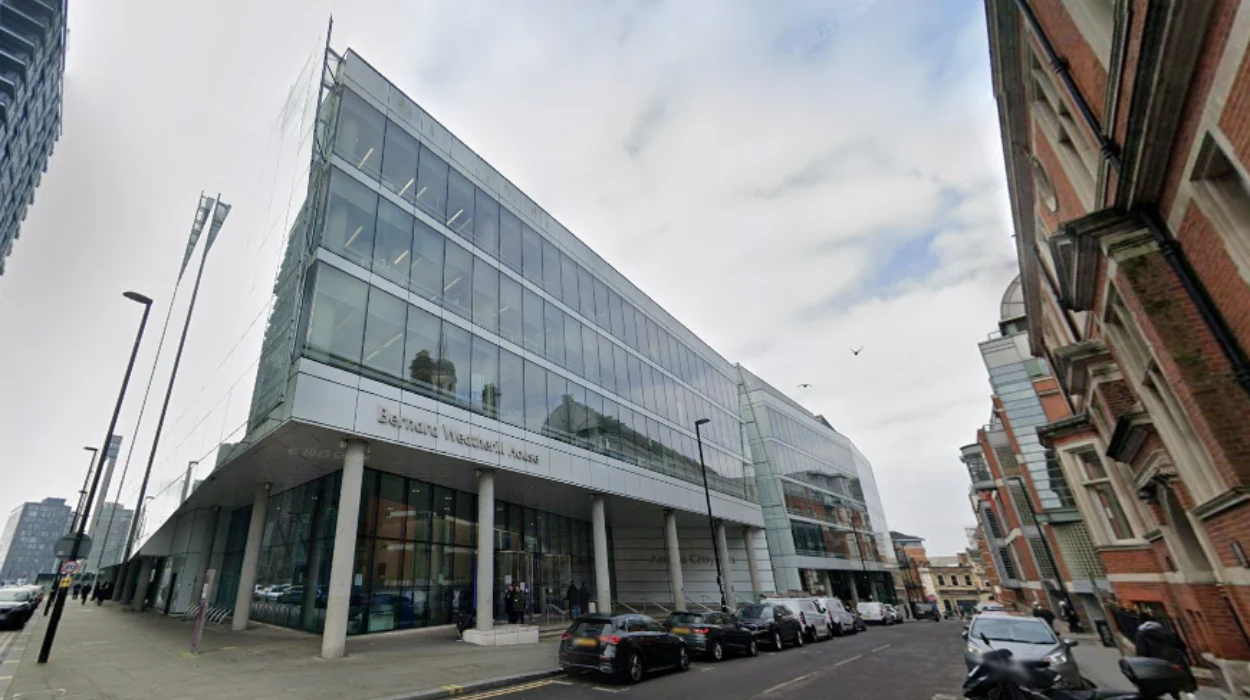
As reported by journalist Steven Downes of Inside Croydon, the roots of the current High Court escalation trace back to March 2025. At that time, the local authority’s Chief Executive Officer, Katherine Kerswell, issued an abrupt operational directive giving the public barely one weekday’s notice before closing the Access Croydon facility. The purpose-built, architect-designed public space within the Fisher’s Folly headquarters—also known to residents and local officials as Bernard Weatherill House—was completely shuttered to walk-in visitors. Consequently, local Council Tax-payers, individuals trying to renew parking permits, residents seeking to pay green waste fees, and those facing sudden homelessness were barred from entering without a prior booking.
Why Has the “Digital-First” Strategy Sparked Local Outrage?
Under the strategic direction of Chief Executive Officer Katherine Kerswell and with the full executive approval of Executive Mayor Jason Perry, the council transitioned to a “digital-first” service framework. Under these guidelines, residents needing face-to-face council services were required to book appointments online using computers, smartphones, or tablet devices. As noted by Steven Downes of Inside Croydon, this policy immediately created severe barriers for older demographics and individuals experiencing street homelessness, who statistically lack consistent access to digital devices or reliable internet connections.
What Farcical Situations Arose From the New Appointment System?
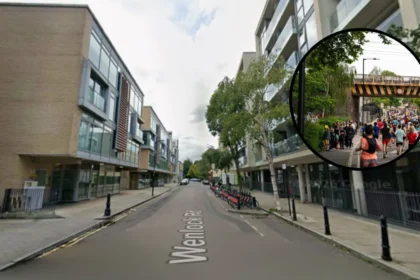
The strict enforcement of the appointment-only model quickly led to highly publicised logistical complications in the centre of the borough. According to reporting by Steven Downes of Inside Croydon, council employees found themselves in the contradictory position of having to physically escort digitally excluded residents away from the main office building. Staff guided these individuals around the block to the Croydon Central Library, where long queues began forming. Vulnerable residents were forced to wait for an available public library computer simply to log into the council’s portal and book a future face-to-face appointment back at Fisher’s Folly—the very building they had been standing outside just minutes earlier.
How Did the Sudden Shuttering Impact Council Staff and Security?
The rapid implementation of the closure and the resulting public frustration placed intense operational pressure on front-line municipal workers. Steven Downes of Inside Croydon reported that within days of the initial shutdown in early 2025, Chief Executive Officer Katherine Kerswell was forced to issue formal internal warnings to council staff regarding their professional conduct. The building’s reception areas and entry points became flashpoints for operational friction. Under-stress council employees trying to navigate the new rules frequently clashed with internal security staff tasked with guarding the locked doors of Fisher’s Folly, leading to documented instances of verbal friction.
Who Is Leading the Legal Campaign Against Croydon Council?
The legal pressure facing Executive Mayor Jason Perry’s administration is the culmination of sustained community organising and legal advocacy. Archive records from Inside Croydon and updates from the South Norwood Community Kitchen reveal that a coalition of 30 voluntary sector organisations and community groups initially united in March 2025 to issue formal joint letters to the town hall demanding the reinstatement of walk-in services. By August 2025, the Public Interest Law Centre formally launched a judicial review challenge against Croydon Council, explicitly asserting that the “No Access Croydon” policy was actively discriminatory and breached the authority’s core statutory housing duties. The upcoming High Court hearing represents the definitive legal showdown over these systemic access issues.
Explore more Croydon News:
Croydon Council Overhauls Temporary Accommodation Charges to Tackle Costs: Croydon 2026
Brighton Road South Croydon Crash: Two Hospitalised After Collision 2026
What Is the Broader Context of the Croydon Council Financial Crisis?
The legal battle over Access Croydon is unfolding against the backdrop of systemic, long-term financial distress within the London Borough of Croydon. The local authority has historically issued multiple Section 114 notices—effectively declaring municipal bankruptcy—due to severe budget deficits and historic debt burdens. The decision to restrict face-to-face public services at Fisher’s Folly was defended by the administration as an essential, cost-saving measure designed to streamline operations and balance the borough’s deeply strained books. However, legal representatives for local residents contend that financial distress does not absolve a local authority of its primary, legally mandated statutory responsibilities under the Housing Act and associated homelessness legislation.
How Have Local Politicians Responded to the High Court Threat?
The administrative changes at Fisher’s Folly have remained a focal point of intense local political debate. Opposition figures and community organizers have consistently argued that the digital-first policy penalizes the poorest and most marginalized demographics in the community. Conversely, the administration under Executive Mayor Jason Perry has maintained that digital transformation is necessary to modernize service delivery and cut overhead costs in an era of unprecedented fiscal constraint. With the High Court scheduled to scrutinize the legality of these policies next week, the outcome could set a major legal precedent for how cash-strapped local councils across the United Kingdom manage public access to essential statutory services.