London’s Hyde Park is one of the most significant urban parks in the world. Covering approximately 350 acres (142 hectares), it forms part of the Royal Parks network and attracts millions of visitors annually. Established as a royal hunting ground in the sixteenth century and opened to the public in the seventeenth century, Hyde Park combines historical heritage, cultural landmarks, recreational spaces, and natural landscapes within central London.
- What makes Hyde Park one of London’s most popular attractions?
- Where are the best walking routes in Hyde Park?
- What can visitors do at the Serpentine Lake?
- Which historical monuments and memorials should visitors see?
- Why is Speaker’s Corner historically important?
- What attractions are available for families and cultural visitors?
- How has Hyde Park’s landscape changed over time?
- Tudor Origins
- Seventeenth-Century Public Access
- Eighteenth-Century Redesign
- Victorian Expansion
- Modern Conservation
- What role does Hyde Park play in modern London?
- Why does Hyde Park remain one of London’s most enduring destinations?
Today, visitors search for Hyde Park because it offers walking routes, boating opportunities, historic monuments, wildlife habitats, cultural events, and educational experiences. Understanding what to do in Hyde Park requires examining both its modern attractions and the historical developments that shaped the landscape visible today.
What makes Hyde Park one of London’s most popular attractions?
Hyde Park combines more than four centuries of royal, political, cultural, and recreational history within 350 acres of accessible green space. Its lakes, memorials, walking routes, gardens, and public gathering areas attract millions of visitors while preserving important elements of London’s historical landscape.
Hyde Park occupies a strategic location between Westminster and Kensington. It forms part of a larger green corridor that includes Kensington Gardens, Green Park, and St James’s Park. Together, these parks create one of Europe’s largest continuous urban park systems.
The park originated in 1536 when King Henry VIII acquired land from Westminster Abbey during the Dissolution of the Monasteries. The area served as a private royal hunting ground for nearly a century. In 1637, King Charles I opened the park to the public, establishing a tradition of public access that continues today.
Throughout the nineteenth century, Hyde Park became associated with political demonstrations, public debate, and national celebrations. Major events such as the Great Exhibition of 1851 transformed its international reputation.
Today, Hyde Park serves multiple functions simultaneously. It acts as a recreational destination, wildlife habitat, historical landscape, educational resource, and cultural venue. This combination explains its enduring popularity among tourists, researchers, educators, and London residents.
Where are the best walking routes in Hyde Park?
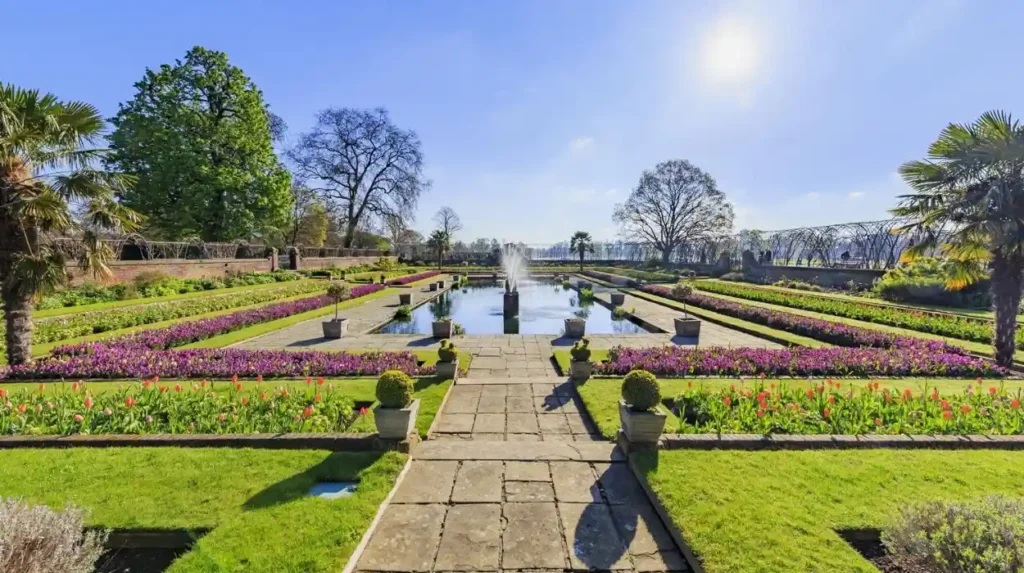
The best walking routes include the Serpentine perimeter, Rotten Row, the Diana Memorial Walk, and paths connecting major monuments. These routes combine historical landmarks, natural scenery, and accessible pathways that allow visitors to explore different aspects of Hyde Park efficiently.
Walking remains the most popular activity within Hyde Park. The park’s extensive network of paths reflects centuries of landscape development.
The Serpentine Circular Walk
The Serpentine is Hyde Park’s most recognizable water feature. Created in 1730 under Queen Caroline, wife of King George II, it represented a significant innovation in landscape design. Unlike formal geometric lakes common during the period, the Serpentine featured a naturalistic shape.
A complete walk around the Serpentine and adjacent Long Water covers several kilometres and provides views of historic bridges, wildlife habitats, and waterfront attractions.
Visitors frequently encounter numerous bird species, including examples such as mute swans, greylag geese, Canada geese, herons, and cormorants.
Rotten Row
Rotten Row extends approximately 1.4 kilometres along the southern edge of the park. Created during the reign of King William III in the late seventeenth century, it became London’s first artificially illuminated highway.
Historically, Rotten Row served as a fashionable riding route for aristocratic society. Today, it remains one of the city’s most famous equestrian paths while also accommodating pedestrians.
Diana Memorial Walk
The Diana Memorial Walk forms part of a seven-mile route connecting locations associated with Diana, Princess of Wales. Within Hyde Park, the route passes important landmarks and provides historical interpretation panels.
The walk highlights the continuing role of public memorialization in London’s urban landscape.
Monument and Memorial Trails
Visitors interested in history often follow routes linking multiple memorials. These include the Wellington Arch area, the Holocaust Memorial, the 7 July Memorial, and the Albert Memorial located nearby in Kensington Gardens.
To experience this historic landmark in person today, consult our comprehensive [Hyde Park Through Time: From Royal Hunting Grounds to Public Park] for itineraries and visiting parameters.
What can visitors do at the Serpentine Lake?
The Serpentine offers boating, swimming, wildlife observation, photography, and educational opportunities. Created in 1730, the lake transformed Hyde Park’s landscape and remains one of London’s most important recreational water features and ecological habitats.
The Serpentine stretches across Hyde Park and Kensington Gardens. Its construction formed part of a broader eighteenth-century redesign of royal landscapes.
Boating Activities
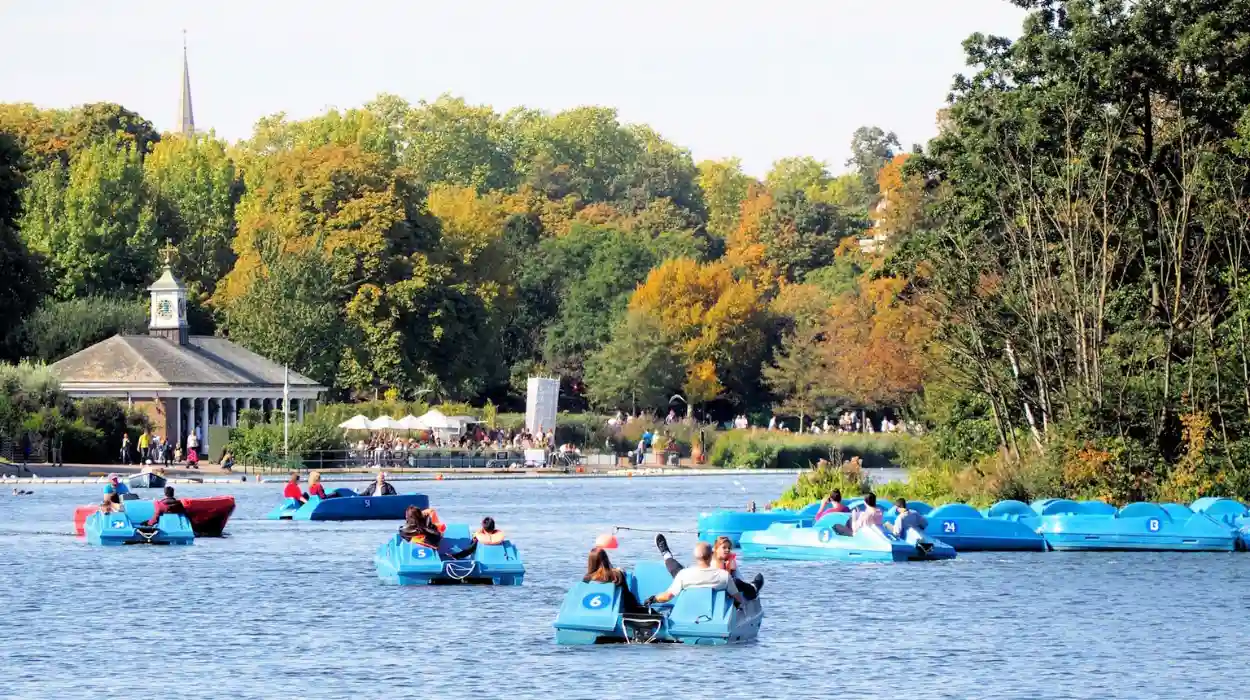
Boat rentals have operated on the Serpentine for generations. Visitors can hire pedal boats and rowing boats during operating seasons.
The activity provides a unique perspective on Hyde Park’s historic landscape. Water-based recreation became increasingly popular during the Victorian period when urban parks were redesigned to promote public health and leisure.
The Serpentine Lido
The Serpentine Lido opened in 1930 and remains one of Britain’s oldest open-water swimming facilities.
Swimming traditions at the lake date back even earlier. The Serpentine Swimming Club, established in 1864, organizes annual events including the Christmas Day Race, one of London’s most recognized sporting traditions.
Wildlife Observation
The lake supports diverse ecosystems. Researchers have documented numerous aquatic species and bird populations.
Wildlife examples include great crested grebes, coots, moorhens, tufted ducks, and various migratory waterfowl. These habitats contribute to urban biodiversity within central London.
The Serpentine Bridge
Constructed in 1828, the Serpentine Bridge physically separates Hyde Park from Kensington Gardens.
The bridge represents an important example of nineteenth-century infrastructure integrated into a historic landscape setting.
Which historical monuments and memorials should visitors see?
Hyde Park contains nationally significant memorials commemorating military service, humanitarian values, political events, and public figures. These monuments illustrate Britain’s evolving historical memory from the nineteenth century to the present day.
The park functions as an outdoor historical archive. Its monuments reflect changing social priorities across different eras.
The Wellington Arch Vicinity
Although technically located near Hyde Park Corner, the Wellington Arch commemorates the military achievements of Arthur Wellesley, the Duke of Wellington.
Constructed during the nineteenth century, the arch symbolizes Britain’s role in the Napoleonic Wars.
The Holocaust Memorial
Installed in 1983, the Holocaust Memorial commemorates victims of Nazi persecution.
The memorial serves educational purposes and reflects Britain’s commitment to preserving awareness of twentieth-century atrocities.
The 7 July Memorial
The memorial commemorates the victims of the London bombings that occurred on 7 July 2005.
Fifty-two stainless steel pillars represent the lives lost during the attacks. The design emphasizes remembrance and public reflection.
The Achilles Statue
Unveiled in 1822, the Achilles Statue honours the Duke of Wellington. Created from captured French cannon, it became one of London’s earliest large-scale public monuments.
The sculpture reflects both classical artistic influences and national military commemorations.
Why is Speaker’s Corner historically important?
Speaker’s Corner represents one of the world’s most famous symbols of free speech and public debate. Since the nineteenth century, it has hosted political activists, reformers, religious speakers, and social commentators discussing major issues affecting British society.
Located near Marble Arch, Speaker’s Corner emerged from traditions of public assembly and political expression.
During the nineteenth century, Britain experienced significant social and political reforms. Public gatherings often occurred in Hyde Park, especially concerning voting rights, labour movements, and social justice campaigns.
By the late nineteenth century, authorities formally recognized the area’s role as a venue for public speaking.
Political Significance
Numerous political figures addressed crowds at Speaker’s Corner. Discussions covered suffrage, workers’ rights, imperial policy, economic reforms, and civil liberties.
The location became associated with democratic participation and public engagement.
Cultural Importance
Speaker’s Corner remains active today. Visitors regularly observe debates involving politics, religion, philosophy, science, and social issues.
This continuity demonstrates the long-term preservation of public discourse traditions within London’s civic landscape.
What attractions are available for families and cultural visitors?
Families and cultural visitors enjoy playgrounds, gardens, galleries, seasonal events, educational exhibits, and recreational facilities. These attractions transform Hyde Park into a destination that combines leisure, learning, and heritage preservation within a historic setting.
Hyde Park accommodates visitors across different age groups and interests.
The Diana Memorial Playground
Located nearby in Kensington Gardens, the Diana Memorial Playground attracts families with its educational and imaginative design.
The playground reflects evolving approaches to child-centred recreational spaces within historic parks.
The Serpentine Galleries
The Serpentine Galleries occupy prominent positions near the lake.
Established in 1970, the institution presents contemporary art exhibitions and internationally recognized architectural commissions. Annual pavilion projects have featured examples such as designs by Zaha Hadid, Frank Gehry, Bjarke Ingels, and Francis Kéré.
Seasonal Attractions
Throughout the year, Hyde Park hosts events ranging from cultural festivals to outdoor concerts.
Examples include Winter Wonderland, music performances, charity events, and sporting activities. These events demonstrate the park’s continuing role as a public gathering place.
Educational Opportunities
Schools, universities, and researchers use Hyde Park as a learning environment.
Educational topics include landscape architecture, environmental science, urban planning, biodiversity conservation, political history, and heritage management.
How has Hyde Park’s landscape changed over time?
Hyde Park evolved from a sixteenth-century hunting ground into a public urban park through royal planning, landscape redesign, infrastructure development, and conservation initiatives. Each historical phase left visible features that visitors continue to experience today.
Landscape evolution defines Hyde Park’s historical significance.
Tudor Origins
The acquisition of Hyde Manor by Henry VIII in 1536 marked the beginning of royal ownership.
The area’s primary function centred on hunting and royal recreation.
Seventeenth-Century Public Access
Charles I opened the park to public use in 1637.
This decision established Hyde Park as one of London’s earliest publicly accessible royal landscapes.
Eighteenth-Century Redesign
Queen Caroline’s improvements introduced the Serpentine and transformed the landscape according to emerging naturalistic design principles.
These changes influenced park development throughout Britain.
Victorian Expansion
The nineteenth century introduced new roads, memorials, recreational facilities, and event spaces.
The Great Exhibition of 1851 represented a major milestone. The Crystal Palace occupied part of Hyde Park before relocation to South London.
Modern Conservation
The Royal Parks organization now manages Hyde Park according to conservation and sustainability principles.
Current priorities include biodiversity enhancement, heritage preservation, climate resilience, and public accessibility.
What role does Hyde Park play in modern London?
Hyde Park functions as a major recreational resource, environmental asset, cultural venue, historical landscape, and educational institution. Its continued relevance demonstrates how historic public spaces adapt while preserving significant elements of their heritage.
Modern Hyde Park serves millions of annual visitors while maintaining historical continuity.
The park contributes to public health by providing extensive opportunities for walking, cycling, sports, and outdoor recreation. Urban green spaces have documented benefits for physical activity and mental wellbeing.
Environmental functions are equally important. Mature trees, grasslands, water bodies, and wildlife habitats support ecological diversity within central London.
The park also contributes to London’s tourism economy. International visitors consistently rank Hyde Park among the capital’s most visited attractions.
From a heritage perspective, Hyde Park preserves physical evidence of multiple historical periods. Tudor land acquisitions, Stuart public access policies, Georgian landscape design, Victorian civic development, and modern conservation strategies remain visible within the same geographic space.
This layered history distinguishes Hyde Park from many contemporary urban parks.
Why does Hyde Park remain one of London’s most enduring destinations?
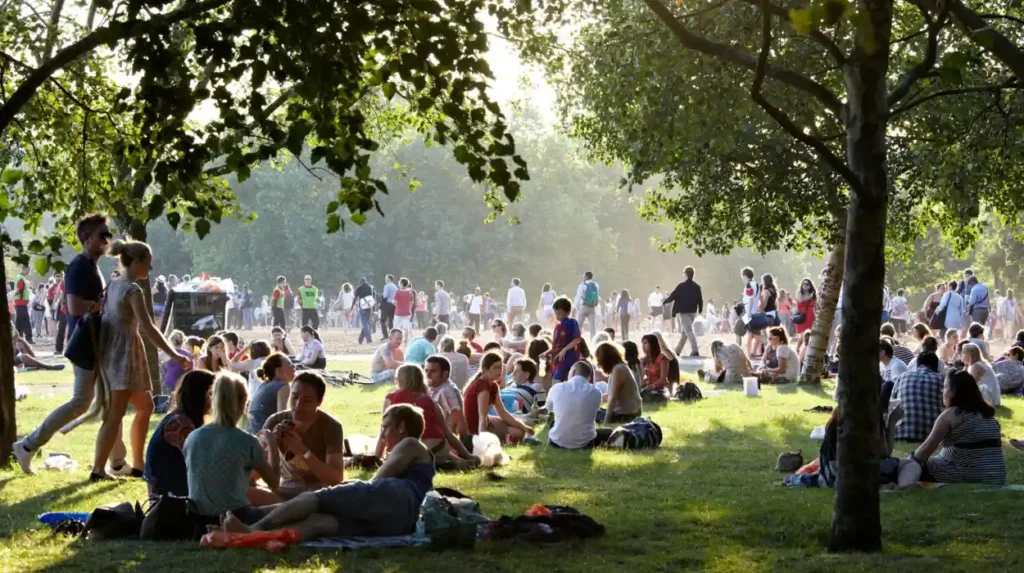
Hyde Park remains enduring because it successfully combines historical significance, environmental value, recreational opportunities, cultural attractions, and public accessibility. Few urban spaces preserve nearly five centuries of continuous evolution while remaining central to daily civic life.
The park’s significance extends beyond leisure. It reflects broader developments in British history, including royal governance, urban planning, democratic participation, environmental management, and heritage preservation.
Visitors encounter multiple historical periods simultaneously. The Serpentine recalls eighteenth-century landscape innovation. Speaker’s Corner represents nineteenth-century democratic traditions. Modern memorials document twentieth-century and twenty-first-century events. Recreational facilities demonstrate continuing adaptation to public needs.
For history enthusiasts, Hyde Park offers tangible connections to national events and historical figures. For cultural tourists, it provides iconic landmarks and memorable experiences. For educators and researchers, it serves as a living case study in urban heritage management.
More than four centuries after becoming royal property and nearly four centuries after opening to the public, Hyde Park continues to fulfil its original purpose as a shared space for recreation, reflection, and civic engagement. Its walks, lakes, attractions, and monuments ensure that it remains one of London’s most valuable and enduring public landscapes.
When was Hyde Park created?
Hyde Park was created in 1536 when King Henry VIII acquired the land from Westminster Abbey. It originally served as a private royal hunting ground before becoming accessible to the public in the seventeenth century.