Key Points
- The Initiative: The London College of Music (LCM), part of the University of West London (UWL), is hosting a free Saturday Club for teenagers aged 13–16.
- Focus Areas: The programme focuses on music performance and music technology, including songwriting, recording, and digital production.
- Target Audience: Outreach is specifically aimed at students from underrepresented backgrounds, often nominated by their schools.
- Duration: The club runs for 20 weeks, spanning from the spring term through to the summer.
- Expert Guidance: Sessions are led by music tutor Vincenzo Maxia, who facilitates band formation and original composition.
- Grand Finale: The programme culminates in a national showcase at Somerset House in July and a formal graduation ceremony.
- National Context: This local initiative is part of the broader National Saturday Club Trust network across the United Kingdom.
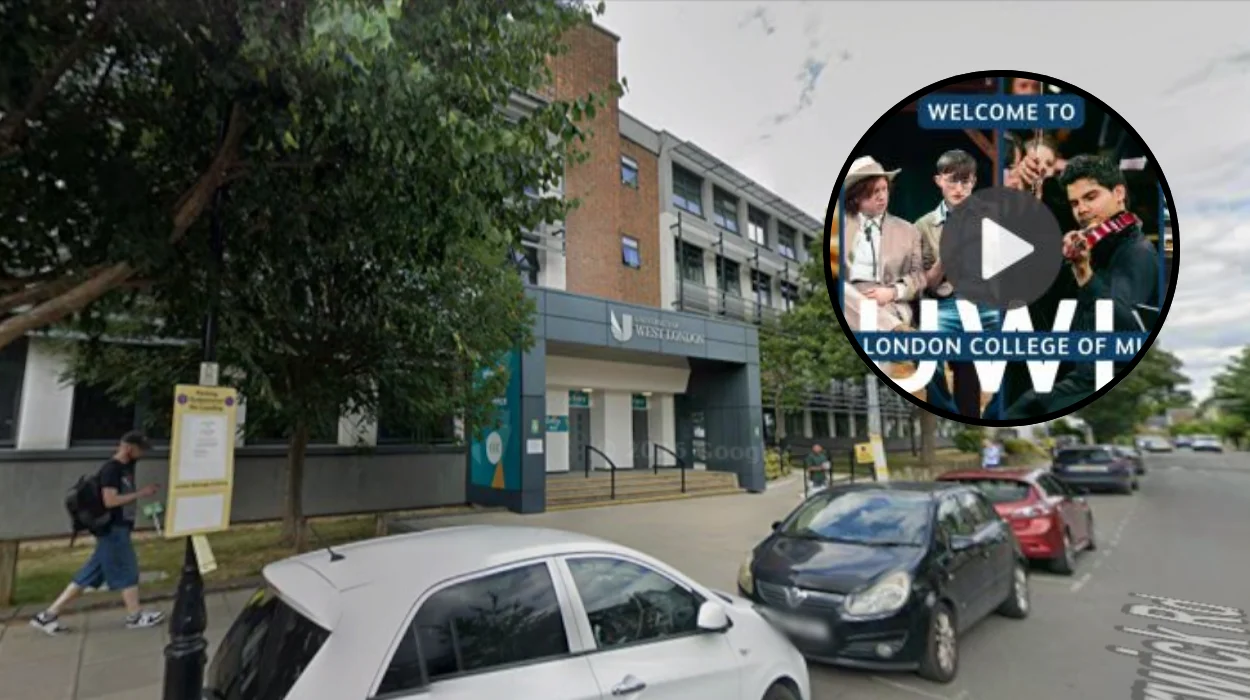
Ealing (Extra London News) May 14, 2026 – Aspiring young musicians in West London are being given a premier stage to develop their craft as the London College of Music (LCM) opens its doors for a transformative Saturday Club. Situated at the Ealing campus of the University of West London (UWL), the initiative provides a free, 20-week immersive experience for teenagers aged 13 to 16. Designed to bridge the gap in arts education, the programme invites local youth to explore the dual worlds of music performance and music technology, regardless of their prior experience with an instrument. By focusing on students from underrepresented backgrounds, the LCM aims to diversify the future of the British music industry through high-level tuition and access to professional-grade university facilities.
- Key Points
- What is the London College of Music Saturday Club?
- How does the programme support under-represented youth in Ealing?
- What skills can students learn at the Saturday Club?
- Who is Vincenzo Maxia, and what is his role?
- How is the National Saturday Club Trust involved?
- Where is the Saturday Club national showcase held?
- Why is the partnership with the University of West London significant?
- How can local schools nominate students for the Saturday Club?
- The Broader Impact: Building the Next Generation of British Talent
What is the London College of Music Saturday Club?
The Saturday Club is an intensive outreach programme that allows teenagers to step out of the traditional classroom and into a creative university environment.
As reported by local education correspondents covering the University of West London’s community initiatives, the club is specifically structured to cater to those who might not otherwise have access to expensive private tuition or high-end recording equipment.
The programme is not merely a hobbyist circle but a structured 20-week course that runs from the spring into the summer.
According to university literature, the curriculum is split between the visceral experience of live performance and the technical intricacies of modern music production. Students are encouraged to experiment with sound, learning the “ins and outs” of the industry from the ground up.
How does the programme support under-represented youth in Ealing?
The London College of Music has placed social mobility at the heart of this venture. By working directly with local schools to identify and nominate students, the programme ensures that the opportunities reach those from backgrounds currently under-represented in the arts and higher education.
As noted by university spokespeople in official press releases, the mission is to remove financial and social barriers to entry.
By offering the sessions entirely free of charge, the LCM ensures that talent, rather than economic status, is the only prerequisite for participation. This aligns with the wider ethos of the University of West London, which has frequently been recognised for its commitment to student support and social inclusion.
What skills can students learn at the Saturday Club?
The breadth of the curriculum offered at the Ealing campus is designed to give a 360-degree view of what it means to be a modern musician. Under the expert guidance of music tutor Vincenzo Maxia, the Saturday Club allows students to dive deep into several key areas:
Music Performance and Band Formation
One of the core components of the club is the collaborative element. Students are not just playing solo; they are encouraged to form bands.
As highlighted in reports on the programme’s pedagogy, many participants arrive having never picked up an instrument. Within weeks, however, they are writing original lyrics and composing melodies. Vincenzo Maxia facilitates these weekly sessions, helping students find their “voice” within a group dynamic.
Music Technology and Production
In an era where the “bedroom producer” can top the charts, the LCM ensures its students are tech-savvy. Participants gain hands-on experience with:
- Recording: Learning how to capture clean audio in a studio setting.
- Mixing: Understanding the balance of levels, EQ, and effects.
- Digital Production: Using industry-standard software to create beats and electronic soundscapes.
Who is Vincenzo Maxia, and what is his role?
Vincenzo Maxia serves as the primary music tutor for the Ealing Saturday Club. His role is described by the London College of Music as both instructional and pastoral. Maxia oversees the creative process, ensuring that the environment remains a safe space for experimentation.
According to reports from the University of West London, Maxia’s approach focuses on “learning by doing.” Rather than focusing on dry theory, he encourages the teenagers to perform every single week.
This consistent exposure to live performance builds confidence and allows the students to see immediate progress in their songwriting and technical abilities.
How is the National Saturday Club Trust involved?
The initiative in Ealing does not exist in a vacuum. It is a vital branch of the National Saturday Club Trust, a UK-wide charity that partners with colleges, universities, and museums to provide free extracurricular education to 13–16-year-olds.
As stated by the National Saturday Club Trust’s mission descriptors, the goal is to provide a “breadth of opportunity” across four main pillars:
Art & Design, Science & Engineering, Fashion & Business, and Writing & Talking—with the LCM’s Music Saturday Club serving as a flagship for the performing arts. By being part of this national network, Ealing students are plugged into a wider community of thousands of young creatives across the country.
Explore More Ealing News
Ealing Book Festival 2026: 1,500 at UWL with Jung Chang
Ealing’s Gunnersbury Park Centenary Sewing Sessions for Giant Picnic Blanket, 2026
Where is the Saturday Club national showcase held?
The climax of the 20-week programme is undoubtedly the National Showcase. In July, students from the Ealing campus will travel to the prestigious Somerset House in central London.
As reported by arts journalists covering the National Saturday Club’s annual events, the showcase is a massive exhibition of work from every Saturday Club in the country. For the LCM students, this means their original compositions and recorded tracks will be presented to the public in one of the UK’s most iconic cultural venues.
This is followed by a formal graduation ceremony, which celebrates the students’ commitment and creative growth, providing them with a tangible sense of achievement as they look toward potential careers in the creative industries.
Why is the partnership with the University of West London significant?
The London College of Music is one of the most storied music institutions in the UK, and its integration into the University of West London (UWL) provides the Saturday Club with unparalleled resources.
As noted by educational analysts, having 13-year-olds walk onto a university campus every Saturday demystifies higher education. For many of these students, who may be the first in their families to consider university, the Saturday Club acts as a “soft introduction” to the academic world.
They aren’t just learning music; they are navigating a campus, using university-grade studios, and interacting with academic staff, which significantly boosts their aspirations for the future.
How can local schools nominate students for the Saturday Club?
While the programme is free, it relies heavily on the partnership between the London College of Music and the local Ealing educational authorities. Schools are encouraged to nominate students who show an interest in the arts but perhaps lack the resources to pursue them outside of school hours.
As reported by the University of West London’s outreach department, teachers are asked to look for potential and passion rather than just existing technical skills.
This inclusive approach ensures that the “hidden gems” of Ealing’s youth population are given the spotlight they deserve.
The Broader Impact: Building the Next Generation of British Talent
The Saturday Club at the London College of Music represents more than just a weekend activity; it is a vital intervention in the UK’s creative economy. At a time when arts funding in secondary schools often faces scrutiny and cuts, programmes like these—funded by the university and supported by the National Saturday Club Trust—fill a critical gap.
By giving young people the tools to record, mix, and perform, the LCM is ensuring that the next generation of British talent is as diverse as the city itself. Whether these students go on to become professional musicians, sound engineers, or simply carry the confidence of having performed at Somerset House into other careers, the impact of these 20 weeks in Ealing is likely to resonate for years to come.