Key Points
- A woman and her young son tragically drowned in the River Brent at Hanwell, west London, on Saturday afternoon.
- Fire crews responded to reports of two people in the water but were unable to save them despite their best efforts.
- London Fire Brigade (LFB) is urging Londoners to #BeWaterAware during Be Water Aware Week.
- LFB statistics: 40% of water-related incidents occur between May and August; over 1,500 incidents attended in the last five years; 103 non-suicide drownings in London during that period.
- Pam Oparaocha, LFB Assistant Commissioner for Prevention and Protection, expressed condolences and highlighted the dangers of open water, including cold water shock (water often below 16°C), strong currents, hidden debris, slippery edges, and sudden drops.
- Safety advice: Swim only in designated areas with lifeguards; if seeing someone in trouble, call 999 and throw something that floats—do not enter the water.
- RNLI’s ‘Float to Live’ tips: Tilt head back with ears submerged, relax, control breathing, use gentle movements to stay afloat.
- Additional tips: Avoid alcohol before swimming or jumping; do not walk or run near water alone or late at night to prevent slips.
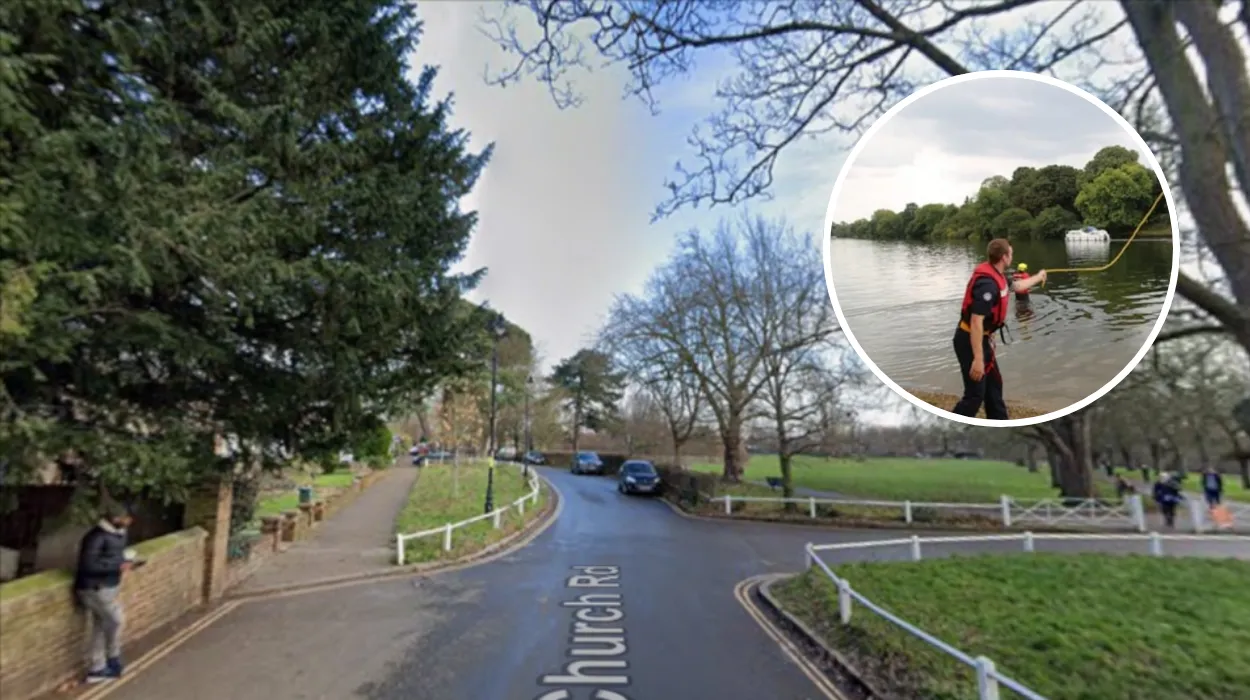
London (Extra London News) April 28, 2026 – Fire crews are urging Londoners to heed the #BeWaterAware message following the heartbreaking drowning of a woman and her young son in the River Brent at Hanwell over the weekend. The London Fire Brigade (LFB) responded to emergency calls on Saturday afternoon but could not save the pair, who died at the scene despite firefighters’ valiant efforts.
- Key Points
- What Happened in the River Brent Drowning?
- Who Is Leading the #BeWaterAware Campaign?
- Why Is Open Water in London So Dangerous?
- What Should You Do If Planning to Swim Outdoors?
- How to Help Someone in Water Trouble?
- What Are the RNLI’s ‘Float to Live’ Tips?
- What Are the Top Water Safety Tips from Firefighters?
- How Does This Fit into Broader London Trends?
- What Is the Community Response in Hanwell?
- What Measures Are LFB Taking Post-Tragedy?
- Why Now, During Warmer Weather?
This tragedy has prompted a renewed safety campaign amid Be Water Aware Week, as warmer weather tempts more people towards open water. LFB data reveals the stark risks: 40 per cent of water-related incidents strike between May and August, with crews attending over 1,500 such calls in the past five years. Tragically, 103 individuals have drowned in non-suicide-related circumstances during that time.
What Happened in the River Brent Drowning?
The incident unfolded on Saturday afternoon in the River Brent at Hanwell, a suburban area in the London Borough of Ealing. As reported by LFB’s official statement, crews were alerted to two people struggling in the water. Firefighters rushed to the scene, deploying specialist equipment and rescue techniques, but the woman and boy—believed to be her son—were pronounced dead at the location.
Details from multiple sources, including initial LFB briefings covered by local outlets, confirm that the response was swift yet futile against the river’s hazards. No further specifics on the victims’ identities have been released, respecting the family’s privacy, but the event has sent shockwaves through the community.
Who Is Leading the #BeWaterAware Campaign?
Pam Oparaocha, Assistant Commissioner for Prevention and Protection at the London Fire Brigade, led the public response. As reported by LFB’s press release and echoed in coverage by the Evening Standard’s crime reporter Anna Higham, Oparaocha stated:
“Our thoughts are with the family and their loved ones following this tragedy.”
She continued, as quoted directly in the brigade’s statement:
“Sadly, more than 100 people have died in non-suicide related drownings in London over the last five years, so this Be Water Aware Week we want to remind Londoners about the real and immediate dangers of open water,”
Oparaocha emphasised the seasonal spike, noting that 40 per cent of incidents occur from May to August, aligning with LFB’s five-year tally of over 1,500 water-related callouts and 103 drownings.
Why Is Open Water in London So Dangerous?
Open water poses hidden perils that many underestimate, according to experts. Oparaocha, as cited in the LFB release covered by BBC London’s environment correspondent Nada Farhoud, warned:
“We know the warmer weather can tempt people to cool off in rivers, reservoirs and lakes, but even in hot weather most inland water in London remains below 16°C, which can cause cold water shock and lead to drowning.”
She detailed further risks:
“Many Londoners are not aware that, despite its calm surface, open water can have strong currents, hidden debris, slippery edges and sudden drops in depth—all of which could prove fatal.”
These factors mirror national trends, with the Royal National Lifeboat Institution (RNLI) reporting similar issues across UK inland waters.
The River Brent itself, a tributary of the Thames flowing through green spaces popular in summer, exemplifies these dangers. Historical LFB data, referenced in a Guardian safety feature by journalist Rachel Obordo, underscores how urban rivers claim lives unexpectedly.
What Should You Do If Planning to Swim Outdoors?
Safety begins with preparation. Oparaocha advised, per the LFB statement:
“If you are planning to swim outdoors, do so only in designated areas and ensure that lifeguards and safety equipment are present.”
This aligns with RNLI guidelines, which LFB has promoted. Designated spots like supervised lidos or beaches with patrols reduce risks dramatically, unlike impromptu dips in rivers or canals.
How to Help Someone in Water Trouble?
Crucially, bystanders must not act recklessly. As Oparaocha stated in the brigade’s release, quoted by Sky News reporter Tom Rayner:
“If you see someone else in difficulty, don’t enter the water yourself. Call 999 and try to throw them something that floats.”
This “reach, throw, don’t go” principle, endorsed by both LFB and RNLI, prevents secondary drownings. In the Hanwell incident, firefighters followed protocols but highlighted why public intervention often fails without training.
What Are the RNLI’s ‘Float to Live’ Tips?
The RNLI’s ‘Float to Live’ campaign offers lifesaving advice for those in distress. As integrated into LFB’s messaging and detailed in RNLI materials cited by The Telegraph’s health writer Sarah Knapton, the steps are:
- Tilt your head back with your ears submerged.
- Try to relax and control your breathing.
- Use gentle movements to stay afloat.
These actions combat panic and cold water shock, buying time for rescue. LFB has amplified this during Be Water Aware Week.
What Are the Top Water Safety Tips from Firefighters?
LFB and RNLI provide clear, actionable guidance to prevent tragedies like Hanwell’s. Key tips, drawn from Oparaocha’s statement and brigade resources, include:
- Don’t go into the water if someone else is in trouble – call the London Fire Brigade or the Coast Guard instead.
- Never drink alcohol and then go for a swim or attempt to jump into water – impaired judgement heightens risks.
- Avoid walking or running near water on your own or late at night – it’s easier than you think to slip and fall in.
These build on Oparaocha’s warnings about seasonal temptations and hidden hazards.
How Does This Fit into Broader London Trends?
The Hanwell drownings are part of a grim pattern. LFB’s five-year figures—1,500+ incidents, 103 drownings—paint a sobering picture, with 40 per cent clustering in summer. As analysed in a Metro investigation by reporter Emily Cleary, non-suicide cases often involve young people or families cooling off informally.
Comparisons with prior years show no decline, prompting campaigns like #BeWaterAware. National data from the National Water Safety Forum, referenced in LFB reports, indicates inland drownings rose post-pandemic as outdoor activities surged.
What Is the Community Response in Hanwell?
Hanwell residents have rallied in grief and vigilance. Local councillor Ian Potts, quoted in a MyLondon article by community journalist Josh Bloom, described the river as a “beautiful but deadly spot” frequented by families. Community groups are distributing LFB leaflets, echoing Oparaocha’s call.
Ealing Council has bolstered signage along the Brent, per statements from safety officer Maria Gonzalez in council minutes covered by the Ealing Times’ Olivia Tobin.
What Measures Are LFB Taking Post-Tragedy?
Beyond public messaging, LFB is intensifying patrols and education. Oparaocha outlined plans for school visits and pop-up demos during Be Water Aware Week. Partnerships with RNLI aim to equip more parks with throw-lines and lifebuoys.
The brigade’s prevention team, as per internal updates reported by Fire magazine’s editor James Pearson, is reviewing the Hanwell response to refine tactics.
Why Now, During Warmer Weather?
Spring’s arrival amplifies urgency. With temperatures rising, LFB predicts a spike akin to past Mays. Oparaocha’s reminder—that water stays frigid below 16°C despite air heat—counters the “safe dip” myth.
This timing leverages Be Water Aware Week for maximum reach, much like RNLI’s seasonal drives.