Key Points
- Councillor Peter Mason, Labour Leader of Ealing Council, is seeking re-election control on May 7, 2026.
- The Local Democracy Reporting Service (LDRS) interviewed Mason on his record, manifesto, and future plans.
- Mason highlighted achievements including climate action, job creation, and affordable housing delivery.
- Key future priorities include tackling the cost of living crisis, improving street conditions, and supporting the NHS.
- Questions remain over delivery of 2022 pledges and whether Labour has met expectations.
- Mason outlined a forward-looking manifesto promising a “clear agenda” for the next four years.
- The leadership question for 2027 remains open amid political uncertainty.
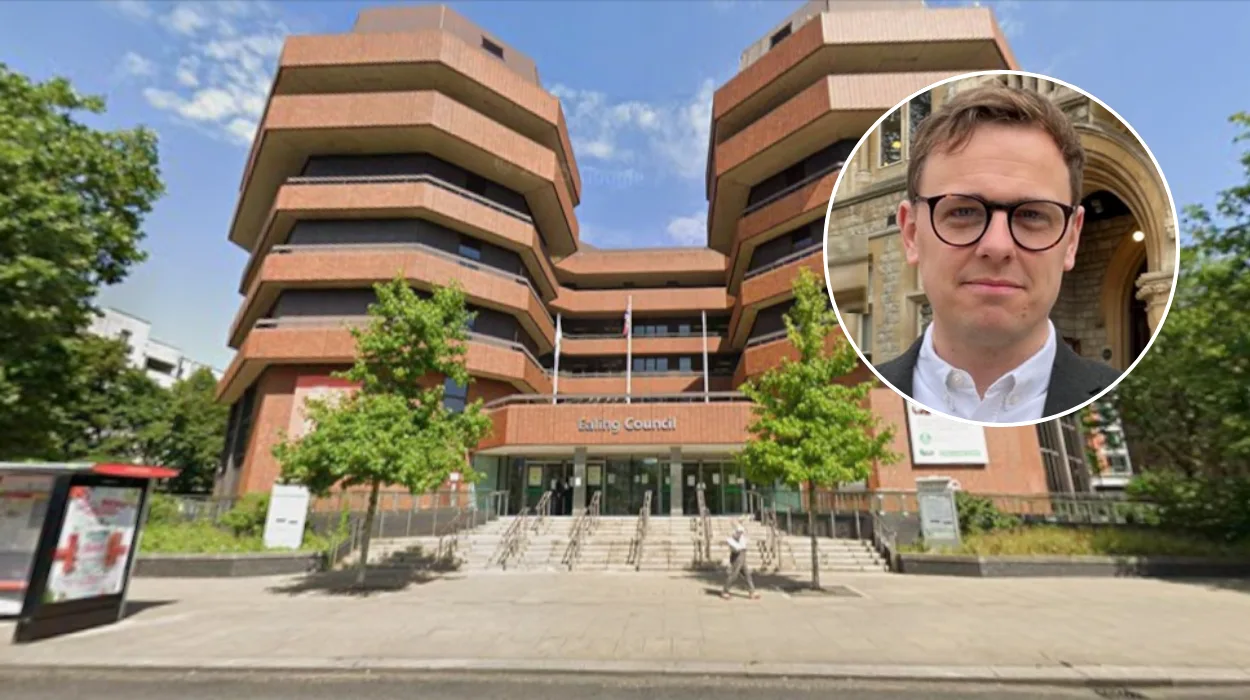
Ealing (Extra London News) April 25, 2026 – Councillor Peter Mason, the Labour Leader of Ealing Council, has set out his party’s priorities ahead of the May 7 local elections, defending his administration’s record while outlining a renewed policy agenda focused on cost of living pressures, public services, and neighbourhood improvements.
- Key Points
- What are Peter Mason’s main priorities for Ealing?
- What achievements does Labour claim since 2022?
- Has the council delivered on housing and jobs?
- What progress has been made on climate commitments?
- Have 2022 promises been fulfilled?
- How is the council addressing public dissatisfaction?
- What does Labour’s 2026 manifesto propose?
- How does the NHS feature in local priorities?
- What are the key challenges facing Ealing voters?
- Are local environmental issues influencing the election?
- What is his political future?
- What is at stake in the May 7 election?
As reported by the Local Democracy Reporting Service (LDRS), Mason spoke in an in-depth pre-election interview addressing both past achievements and future commitments, as Labour seeks to retain control of the West London borough.
The discussion covered housing, council tax, healthcare support, and broader governance questions, including his political future beyond 2026.
What are Peter Mason’s main priorities for Ealing?
As reported by LDRS, Councillor Peter Mason emphasised that Labour’s priorities for the next four years will centre on economic resilience, public service support, and environmental progress.
Mason stated:
“We know that we need to tackle the cost of living. We know that we’re going to need to ensure that we restore pride in our streets.”
He further added, according to LDRS reporting, that healthcare remains a concern at the local level despite being a national responsibility:
“We certainly know that we need to make sure that we are doing our bit to fix the NHS and so much more.”
These remarks reflect a broader attempt by Labour leadership in Ealing to align local governance with national challenges, particularly inflationary pressures and strain on public services.
What achievements does Labour claim since 2022?
Has the council delivered on housing and jobs?
According to the Local Democracy Reporting Service, Mason pointed to several achievements over the past four years, including job creation initiatives and the development of affordable housing.
He highlighted the council’s role in overseeing new housing projects aimed at addressing affordability challenges in one of London’s more expensive boroughs.
While specific figures were not detailed in the interview, Mason framed these developments as part of a broader commitment made during the 2022 election cycle.
In addition, he cited employment growth as a key success, linking council-backed initiatives to increased economic opportunities within the borough.
What progress has been made on climate commitments?
As reported by LDRS, Mason also referenced efforts to tackle the climate emergency, describing it as a cornerstone of Labour’s governance since 2022.
These measures reportedly include environmental sustainability programmes, though the interview did not specify detailed metrics or outcomes. Nevertheless, Mason presented climate action as an ongoing priority rather than a completed objective.
Have 2022 promises been fulfilled?
The LDRS interview implicitly raised questions about whether Labour has fully delivered on its 2022 manifesto promises, particularly in areas such as housing availability and cost-of-living support.
While Mason highlighted achievements, the framing of the discussion suggests ongoing scrutiny from both voters and journalists regarding the extent of delivery.
Political observers note that issues like rising living costs and visible urban maintenance concerns—such as street cleanliness—remain pressing for residents, potentially indicating gaps between ambition and outcomes.
How is the council addressing public dissatisfaction?
Mason’s remarks about restoring “pride in our streets” suggest an acknowledgement of public concern over local environmental conditions.
As reported by LDRS, this focus may be part of a broader electoral strategy aimed at addressing everyday quality-of-life issues that resonate strongly with voters.
What does Labour’s 2026 manifesto propose?
According to the Local Democracy Reporting Service, Mason described Labour’s manifesto as offering “a really clear agenda about what the next four years are going to look like.”
While full manifesto details were not outlined in the interview, key themes include:
- Continued investment in housing.
- Measures to ease cost-of-living pressures.
- Enhanced local services and infrastructure.
- Support for national systems such as the NHS through local initiatives.
This messaging appears designed to balance continuity with responsiveness, reinforcing past achievements while acknowledging current challenges.
How does the NHS feature in local priorities?
Although healthcare policy is largely controlled at the national level, Mason stressed the importance of local government support for the NHS.
As reported by LDRS, his comments indicate a recognition that councils play a role in public health outcomes through social care, community services, and local partnerships.
His statement that the council must “do our bit to fix the NHS” reflects an integrated approach to governance, though specifics on implementation were not detailed.
What are the key challenges facing Ealing voters?
The cost of living remains one of the most pressing concerns for residents, as acknowledged directly by Mason in the LDRS interview.
Rising housing costs, inflation, and energy prices continue to impact households across Ealing, making this a central issue in the election campaign.
Are local environmental issues influencing the election?
Issues such as street cleanliness and neighbourhood upkeep appear to be gaining political traction.
Mason’s emphasis on restoring “pride in our streets” suggests that visible local conditions may play a decisive role in voter sentiment.
What is his political future?
The LDRS interview also explored whether Mason intends to remain Council Leader beyond the immediate election cycle.
While no definitive commitment was reported, the question highlights internal and external uncertainties about leadership continuity.
Political analysts suggest that leadership stability could depend on election results and Labour’s performance in addressing voter concerns.
What is at stake in the May 7 election?
The upcoming local elections represent a critical test for Labour’s governance in Ealing.
Maintaining control of the council will depend on whether voters view the past four years as successful and whether they are persuaded by the party’s forward-looking agenda.
As reported by the Local Democracy Reporting Service, Mason’s campaign seeks to balance defence of his record with a renewed focus on practical issues affecting residents’ daily lives.
With competing priorities ranging from housing and economic pressures to environmental conditions and public services, the election outcome will likely hinge on how effectively Labour communicates both its achievements and its plans for the future.