Key Points
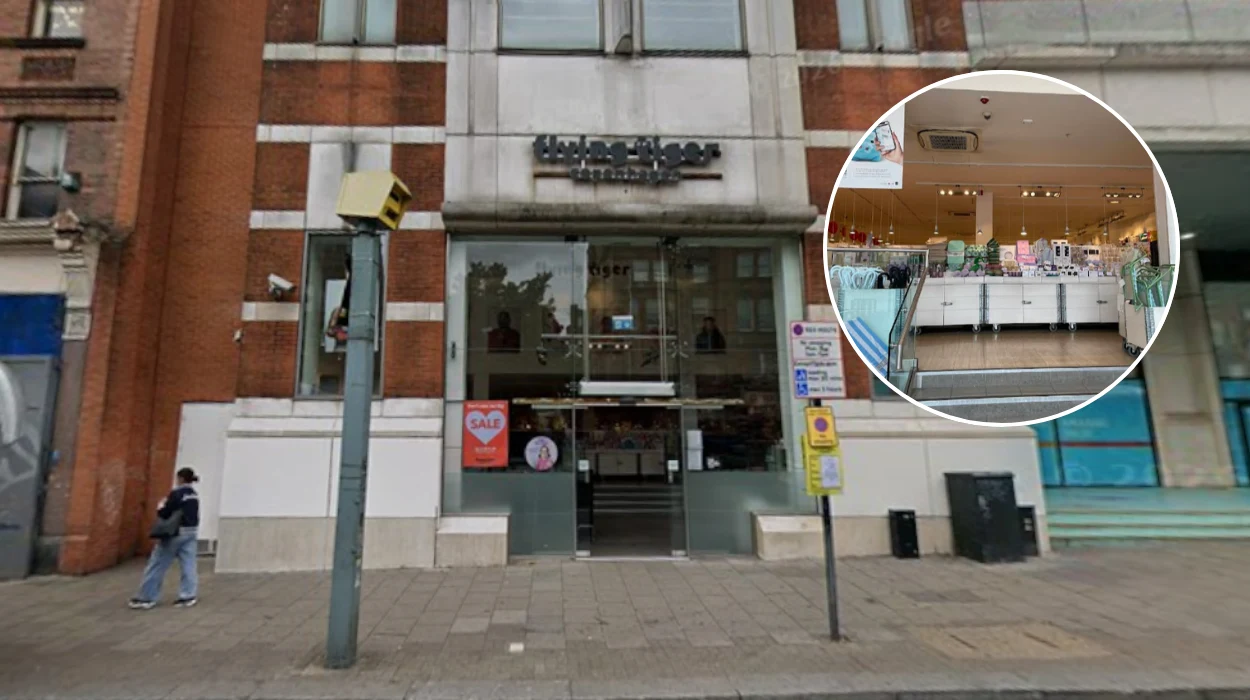
- Flying Tiger Copenhagen store at Croydon’s Whitgift Centre appears to have permanently closed, marked as such on Google Maps.
- A “goodbye Croydon” sign was spotted on display at the store.
- No official statement issued by Flying Tiger Copenhagen as of the latest reports.
- Closure follows high vacancy rates at Whitgift Centre: 73 shops vacant as of October 2025, up from 52 in June 2025 and 46 in September 2024.
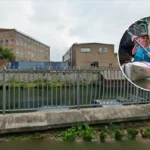
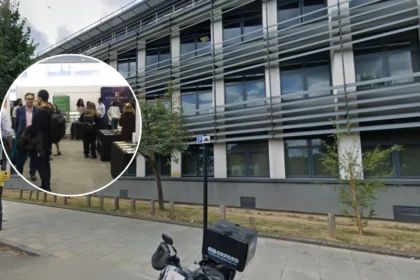
- Over 70 units were empty during Your Local Guardian’s visit in October 2025, with dozens of storefronts boarded up, abandoned, or left blank.
- Departed major retailers include Superdry, The Body Shop, and Beaverbrooks, plus numerous smaller independent stores.
- Major site overhaul planned by Unibail-Rodamco-Westfield in partnership with Croydon Council, but not expected before 2028.
Croydon (Extra London News) April 24, 2026 – Flying Tiger Copenhagen, the popular Danish retailer known for its quirky gifts, homeware, and stationery, has apparently shuttered its store at the Whitgift Centre permanently. The closure, first flagged by changes on Google Maps listing the branch as “permanently closed,” comes amid mounting challenges for the struggling shopping centre, where vacancy rates have surged to alarming levels.
- Key Points
- Why Has Flying Tiger Copenhagen Closed Its Whitgift Centre Store?
- What Is the Current Vacancy Situation at Whitgift Centre?
- Which Stores Have Recently Left Whitgift Centre?
- When Will the Whitgift Centre Undergo Its Major Overhaul?
- What Does Flying Tiger Copenhagen’s Silence Mean?
- How Is Croydon Council Responding to the Retail Crisis?
- What Lies Ahead for Whitgift Centre and Croydon Shoppers?
Eyewitnesses reported a poignant “goodbye Croydon” sign displayed at the store, signalling the end of its presence in the south London hub. As of now, Flying Tiger Copenhagen has issued no official statement confirming the closure or providing reasons behind it.
This development underscores the ongoing retail exodus from the Whitgift Centre, a once-thriving destination now plagued by empty units and economic pressures.
Why Has Flying Tiger Copenhagen Closed Its Whitgift Centre Store?
The abrupt departure of Flying Tiger Copenhagen from Croydon’s Whitgift Centre marks yet another blow to the beleaguered mall.
According to Google Maps data accessed by local reporters, the store is now explicitly tagged as “permanently closed,” a status update that typically reflects on-site changes or owner notifications. Shoppers and passers-by spotted a clear “goodbye Croydon” sign adorning the storefront, as first documented in on-the-ground reporting from the area.
Your Local Guardian, a key outlet covering Croydon retail news, highlighted this closure in its latest updates. No direct comment has emerged from Flying Tiger Copenhagen’s headquarters in Denmark or its UK operations team.
The retailer, which entered the UK market in 2015 and built a cult following for its affordable, novelty items, has faced broader headwinds in physical retail, including rising costs and shifting consumer habits towards online shopping.
This is not an isolated incident. As reported by Your Local Guardian journalists during an October 2025 site visit, the Whitgift Centre was already a shadow of its former self, with more than 70 units sitting empty.
That figure represented 73 vacant shops—a sharp rise from 52 in June 2025 and 46 in September 2024. The centre’s landscape featured dozens of storefronts either boarded up, abandoned, or reduced to blank shells, painting a picture of decline.
What Is the Current Vacancy Situation at Whitgift Centre?
Vacancy rates at the Whitgift Centre have escalated dramatically, turning the once-bustling arcade into a retail ghost town. Your Local Guardian’s October 2025 inspection revealed 73 empty units, a 40% increase from June 2025’s 52 and a steep climb from 46 in September 2024.
Reporters noted that “dozens of storefronts [were] boarded up, abandoned or left as blank units,” creating a desolate atmosphere for remaining traders and visitors alike.
This trend aligns with national patterns in UK high-street retail, where economic pressures, high business rates, and the post-pandemic e-commerce boom have forced closures. Croydon, a diverse borough in south London with a population exceeding 390,000, has felt the pinch acutely.
Local business analysts, cited in Your Local Guardian coverage, attribute the surge to escalating operational costs and reduced footfall, exacerbated by hybrid working patterns reducing commuter traffic.
The Flying Tiger closure fits this narrative seamlessly. As one of the centre’s more vibrant fixtures, its exit—complete with the “goodbye Croydon” signage—serves as a visible emblem of the malaise.
Google Maps’ “permanently closed” marker, often updated based on user reports or proprietor input, provides digital confirmation, though Flying Tiger Copenhagen remains silent on specifics.
Which Stores Have Recently Left Whitgift Centre?
A roster of high-profile names has abandoned the Whitgift Centre, amplifying the vacancy crisis. Among the major casualties are Superdry, the fashion chain that filed for administration in 2024 before restructuring; The Body Shop, which entered insolvency proceedings earlier in 2025 amid global woes; and Beaverbrooks, the luxury jeweller that cited unsustainable rents.
Your Local Guardian’s October 2025 report listed these alongside “a range of smaller independent retailers,” whose departures have hollowed out niche offerings. Superdry’s exit, for instance, left a prominent unit vacant, while The Body Shop’s closure mirrored its nationwide retrenchment under new ownership. Beaverbrooks, a longstanding presence, pulled out citing shifting luxury spending habits.
Smaller independents, often family-run, have fared no better. The paper described a scene of “boarded up” fronts and “abandoned” spaces, with over 70 units—equating to 73 shops—idle by October.
This exodus began accelerating post-2024, with vacancies doubling in under a year. Flying Tiger Copenhagen now joins this list, its “goodbye Croydon” sign a stark reminder of the centre’s plight. No official tallies from centre management have contradicted these figures, though Unibail-Rodamco-Westfield, the French-listed owner, has acknowledged challenges in investor updates.
When Will the Whitgift Centre Undergo Its Major Overhaul?
Hope for revival hinges on ambitious redevelopment plans, but salvation remains distant. Unibail-Rodamco-Westfield (URW), the centre’s owner, is partnering with Croydon Council on a comprehensive overhaul aimed at transforming the site into a mixed-use destination with housing, leisure, and refreshed retail.
As detailed in Your Local Guardian reporting, these plans are not expected to commence until at least 2028. Delays stem from planning permissions, funding negotiations, and infrastructure hurdles in a densely populated urban area. URW’s vision, first unveiled in 2022, promises 1,000 new homes, green spaces, and modern retail pods, but progress has been glacial.
Croydon Council, led by Mayor Jason Perry, has voiced support, allocating funds for feasibility studies. Yet, with 73 vacancies already eroding viability, the wait until 2028 risks further deterioration.
Flying Tiger’s closure, sans official word, underscores the urgency. URW spokespeople have previously stated, in filings to the London Stock Exchange, that “strategic repositioning” is underway, but timelines remain fluid.
What Does Flying Tiger Copenhagen’s Silence Mean?
Flying Tiger Copenhagen’s refusal to issue an official statement has fuelled speculation. The Google Maps update to “permanently closed” and the on-site “goodbye Croydon” sign speak volumes, yet the company—headquartered in Copenhagen and operating over 50 UK stores—has stayed mum.
This reticence is typical in retail wind-downs, avoiding admissions that could impact remaining branches or leases.
Your Local Guardian noted no press release or social media announcement as of their latest checks. Industry watchers suggest possible factors like Whitgift’s high rents, low footfall, or strategic portfolio trimming. The retailer, famous for weekly product drops and Instagram appeal, thrives in high-traffic spots; Croydon’s decline likely tipped the scales.
Comparisons to other closures abound. Superdry’s administrators cited similar woes, while The Body Shop’s UK arm collapsed under debt. Beaverbrooks opted for relocation. For Flying Tiger, the Whitgift stint ends quietly, but its broader UK footprint endures—for now.
How Is Croydon Council Responding to the Retail Crisis?
Croydon Council is actively engaged, balancing short-term palliatives with long-term redevelopment. Partnering with URW, officials aim to stem the bleed through pop-up events and business rates relief, as outlined in council minutes reported by Your Local Guardian.
Mayor Jason Perry has publicly lamented the vacancies, pledging £10 million in regeneration funds. However, with overhaul delayed to 2028, interim measures focus on security for the 73 empty units and marketing campaigns to boost visitors. Local traders, via the Croydon BID (Business Improvement District), call for rent freezes.
The Flying Tiger exit amplifies calls for action. Council leader Perry stated in a 2025 interview with Your Local Guardian: “We are committed to breathing new life into Whitgift, but it requires patience and partnership.” No direct response to this specific closure has surfaced.
What Lies Ahead for Whitgift Centre and Croydon Shoppers?
The horizon for Whitgift Centre remains uncertain, with Flying Tiger’s demise as a harbinger. At 73 vacancies, the centre operates at half-capacity, deterring anchors and eroding confidence. URW’s 2028 timeline offers a lifeline, promising reinvention beyond pure retail.
For Croydon residents, alternatives abound: the nearby Centrale mall, online giants, and Purley Way out-of-town parks. Yet, the Whitgift’s 1.5 million square feet represent a community asset at risk. As Your Local Guardian chronicled, from 46 vacancies in 2024 to 73 now, the trajectory demands intervention.
Flying Tiger Copenhagen’s “goodbye Croydon” may echo for years unless plans accelerate. Shoppers mourn the loss of its whimsical wares, while analysts eye URW’s next moves. Neutral observers await official words—from retailer or owners alike.