Key Points
- Alice Bolton, a 28‑year‑old A&E doctor, was diagnosed with acute myeloid leukaemia (AML) in May 2024 while working in Australia, shortly after giving what she thought was a “routine” discharge to a patient.
- She was initially told she might have glandular fever, but blood tests quickly confirmed an aggressive blood cancer, triggering urgent treatment in Australia and then in London.
- After several rounds of chemotherapy, she reached full remission in October 2024 and planned to run the TCS London Marathon with her sisters, Emma and Kate, for Leukaemia UK.
- In March 2025, a routine bone‑marrow test showed she had relapsed, meaning she could no longer run the marathon herself and instead required a stem‑cell transplant.
- Both Emma and Kate were identified as HLA‑perfect matches, and the decision about which one would be her donor was to be made in consultation with clinicians and celebrated at a “donor reveal cake party”.
- Her sisters are still set to run the 2025 TCS London Marathon, raising funds and awareness for Leukaemia UK, while Alice watches from the sidelines with a sign reading “Run my stem cells, run!”.
- The story has been reported by outlets including The Independent, AOL and Leukaemia UK, all emphasising her transition from treating patients in the emergency department to becoming a patient herself, and her determination to use running as a tool for recovery and advocacy.
Surrey/London (Extra London News) April 21 2026 – Alice Bolton, a 28‑year‑old A&E doctor who divides her time between Surrey and London, is now standing at the edge of one of the world’s largest marathons instead of running it, after a swift diagnosis of acute myeloid leukaemia (AML) derailed her race‑day plans and forced her onto a different kind of finish line. The Independent’s report on her case, first published in mid‑April 2025, traces how Bolton went from warning a young patient about the risks of overtraining to being given her own life‑threatening diagnosis within days, and later finding herself in remission, only to relapse just months before the TCS London Marathon.
- Key Points
- What happened to Alice Bolton in 2024 and 2025?
- How did she reach remission, and why did she plan to run in London?
- Why can she no longer run, and what does the transplant mean?
- How are her sisters involved, and what are they running for?
- What is the planned finish‑line scene on April 27?
- How does her story reflect the wider issue of acute leukaemia?
- How has the public and media responded to her story?
- What does this story signal for future cancer‑and‑sport narratives?
What happened to Alice Bolton in 2024 and 2025?
According to The Independent’s Alice Bolton coverage on 14 April 2025, the doctor was working an A&E shift in Australia in May 2024 when she realised that the young woman in front of her – tired, pale and breathless – closely resembled how she herself had been feeling. As reported by The Independent journalist, Bolton told the patient that
“when you’re tired, it’s not always because you’re lazy”,
and encouraged her to get blood tests, not knowing she would soon be the one receiving a similar call.
A few days later, the same newspaper’s account explains, Bolton visited a GP after noticing swollen lymph nodes in her neck and unusual bruising on her legs, telling the doctor she was “not one to bruise easily” and that something felt wrong. Blood tests revealed acute myeloid leukaemia, an aggressive blood cancer, prompting immediate chemotherapy in Australia before she was well enough to return to the UK in June 2024.
How did she reach remission, and why did she plan to run in London?
In a feature published by The Independent on 13 April 2025, it was noted that after completing her first round of chemotherapy in Australia, Bolton returned to London and continued treatment under haematology specialists. By October 2024, she was in full remission, a development she described as “complete relief” in interviews with the outlet.
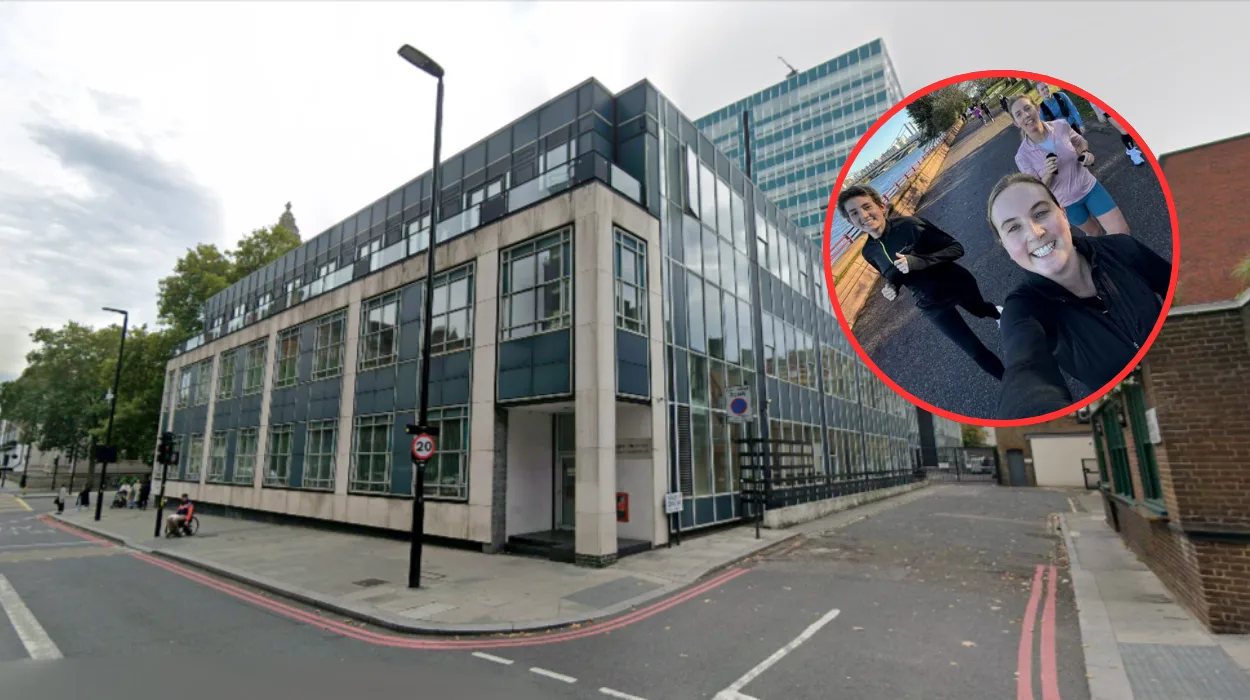
As reported by The Independent, during her recovery, she began rebuilding her fitness, going on slow runs with her sisters Emma and Kate, a routine that both helped her physically and lifted her morale after long periods of isolation in the hospital. The trio then decided she would join them in the 2025 TCS London Marathon, with the sisters running for Leukaemia UK and a place becoming available for Alice through the charity’s ballot.
Why can she no longer run, and what does the transplant mean?
However, in a follow‑up article by The Independent on 14 April 2025, it was revealed that a routine bone‑marrow test in March 2025 showed that Alice had relapsed, meaning she was no longer in remission and would need a stem‑cell transplant. As quoted by the same journalist, her sister Kate described the news as “cruel”, given how far she had come and how close she was to running the marathon.
According to Leukaemia UK’s profile of Bolton, both Emma and Kate were found to be HLA‑perfect matches, so the medical team would choose which sister would act as a donor based on additional clinical factors. The charity’s article notes that the decision was playfully announced at a “donor reveal cake party”, a moment that underscored the family’s effort to keep hope and humour at the forefront of a difficult journey.
How are her sisters involved, and what are they running for?
In the same Independent report, Emma said the sisters had already planned to run the London Marathon for Leukaemia UK, having previously signed up in 2024 but pulling out due to injury. As reported by the journalist, Bolted’s sisters entered the race again “for Leukaemia UK” and invited Alice to join them once she appeared to be recovering strongly, a decision that felt “like a huge step forward” for the family.
Even after Alice’s relapse, Emma told the reporter that the pair would still run the marathon, using the event to raise funds and awareness for the charity. The Independent also quotes her as saying that running had become
“a big source of strength for all of us during Alice’s cancer journey”,
recalling how she and Kate would run laps around a small park near the hospital in Australia to manage their own mental health.
What is the planned finish‑line scene on April 27?
According to both the Independent piece and Leukaemia UK’s feature, the image of Alice on the London Marathon route has shifted from racing to cheering. The accounts describe how she hopes to line the course on 27 April, holding a sign that reads “Run my stem cells, run!”, a phrase that, as reported by The Independent’s journalist, captures both the medical reality of her transplant and the emotional bond between the sisters and the runners.
As related to the charity’s writers, Alice said watching her sisters cross the finish line without her would be “super emotional”, but that she would still feel “part of the run” through the support and the message on her sign. Leukaemia UK’s profile stresses that the marathon has turned into a dual act of advocacy and fundraising, with the sisters’ JustGiving page and the charity’s own campaign amplifying Bolton’s story beyond the medical narrative.
How does her story reflect the wider issue of acute leukaemia?
In the broader framing of the coverage, The Independent’s writer notes that Alice’s case is an example of how quickly AML can strike, even in otherwise fit, active young people. The article points out that she had been training for the Great Ocean Road Half Marathon, running up to 20km, before her stamina suddenly dropped to being unable to complete about 5km, a detail her own GP later flagged as a possible red flag.
Leukaemia UK’s profile, authored by its communications team, adds that Bolted’s shift from clinician to patient offers a rare, first‑hand perspective on how the healthcare system can feel from the other side, and how a fast‑paced, high‑stress environment can sometimes delay self‑care. The charity also uses her experience to promote early blood‑test awareness and to encourage people to seek help if they notice unusual fatigue, bruising or infections, echoing advice given in the Independent’s coverage.
How has the public and media responded to her story?
Both the Independent and AOL‑branded reports on the story emphasise the emotional resonance of a junior doctor who treated patients in an emergency department suddenly becoming a patient herself, under the same kinds of protocols she once explained to others. The articles highlight the contrast between the young woman she counselled in May 2024 about the dangers of overtraining and her own diagnosis days later, framing it as a twist that underlines the unpredictability of blood cancers.
Leukaemia UK’s feature, written by the charity’s editorial team, also notes that the public response to the Bolton family’s JustGiving campaign has been strong, with donations and messages of support coming from other medical professionals and members of the running community. The charity’s writers describe the campaign as a way to “turn a personal ordeal into collective action”, using Alice’s recovery and her sisters’ marathon as a rallying point for research and patient support.
What does this story signal for future cancer‑and‑sport narratives?
In the closing sections of The Independent’s coverage, the journalist reflects on how running and exercise have become a central thread in Bolted’s recovery, even when she is no longer able to race herself. The piece points out that the sisters’ shared training routine, including slow runs between chemotherapy sessions, helped maintain morale and normalcy during a period of isolation and uncertainty.
Leukaemia UK’s article similarly frames the marathon as more than a physical challenge; it is presented as a symbol of resilience, both for Alice and for the wider community of people affected by leukaemia. Taken together, the accounts from The Independent, AOL and Leukaemia UK build a picture of a young doctor whose own health crisis has reshaped her relationship with sport, medicine and advocacy, turning a missed finish line on her own two feet into a different kind of milestone on the sidelines.