Key Points
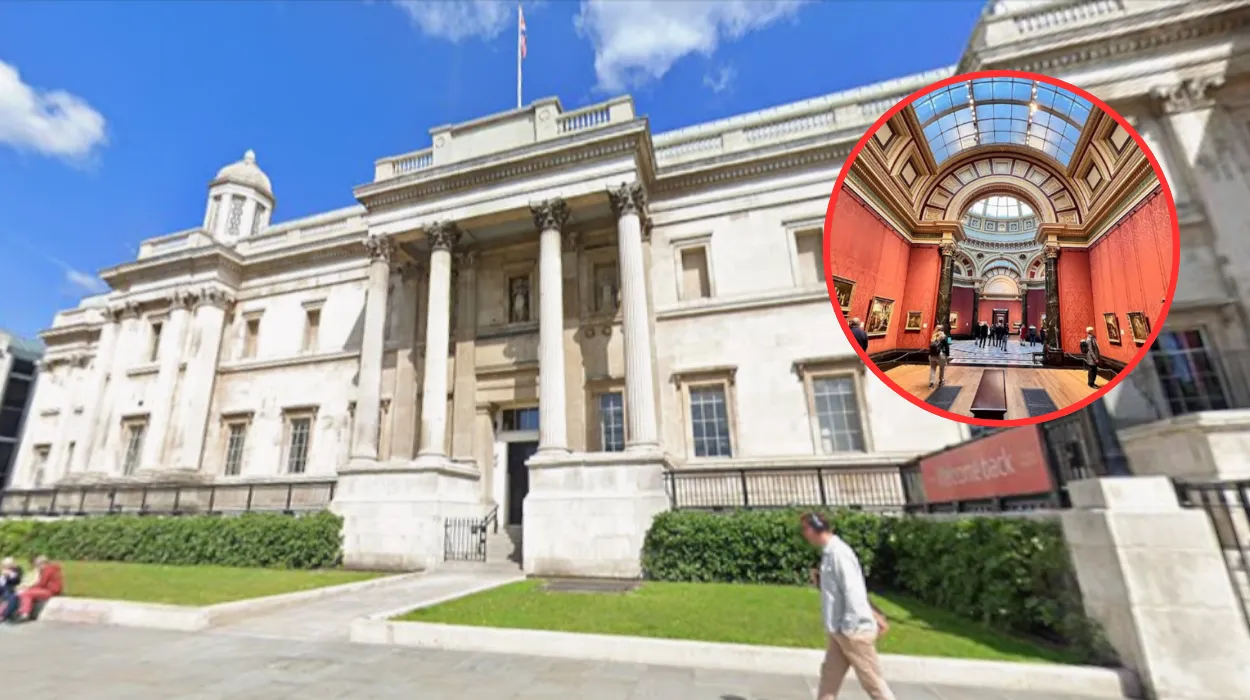
- The UK government is exploring charges for foreign visitors to national museums like the British Museum and National Gallery to address funding shortfalls.
- Culture Secretary Lisa Nandy accepted recommendations from Baroness Margaret Hodge’s review of Arts Council England, proposing limits on free entry for international tourists.
- Treasury considered ending free entry entirely ahead of the November 2025 budget, potentially saving £480m annually from the Department for Culture, Media and Sport (DCMS) budget, but plans were scrapped after pushback.
- National Gallery faces a £8.2 million deficit, leading to potential cuts in free exhibitions, international art loans, and higher ticket prices.
- 15 national museums and galleries, including V&A and Science Museum, receive £480m in government funding for 2024-25 to maintain free access to permanent collections.
- Proposals hinge on developing digital IDs to distinguish domestic from international visitors, which do not yet exist.
- Critics argue free access is a “universal good” benefiting smaller regional museums and community programmes, with concerns over impacts on youth and regeneration efforts.
- Lisa Nandy announced a £1.5bn investment in over 1,000 arts venues to support access amid the crisis.
London (Extra London News) April 18, 2026 – The longstanding policy of free entry to Britain’s premier museums, including the British Museum and National Gallery, faces unprecedented scrutiny as the UK government weighs charging foreign tourists amid escalating funding cuts and operational deficits.
- Key Points
- Will the UK Government Charge Foreign Tourists for Museum Entry?
- What Triggered These Proposals?
- How Severe Are the Funding Challenges Facing National Museums?
- What Role Did Baroness Hodge Play?
- What Are the Broader Impacts on Culture and Access?
- Could Digital IDs Make This Feasible?
- What Do Critics Say About Ending Free Entry?
- What Happens Next for UK Museums?
Will the UK Government Charge Foreign Tourists for Museum Entry?
As reported by journalists at the Financial Times via Reddit discussions, Culture Secretary Lisa Nandy has signalled that
“millions of foreign tourists visiting England’s best-known museums will have to pay fees under proposals set out on Thursday,”
specifically targeting institutions like the British Museum and National Gallery. This follows the culture department’s acceptance of Baroness Margaret Hodge’s review of Arts Council England, where she recommended limiting free entry to bolster finances.
In its official response, the government stated:
“We will work with the museum sector to explore the potential opportunities that charging international visitors at national museums could bring to support access to arts everywhere, and the timeframes for this”.
Lisa Nandy, as noted in The Irish Times, set out these proposals on March 26, 2026, emphasising the need for sustainable funding models.
However, implementation depends on technological feasibility. Digital IDs, which “don’t currently exist,” would be required to differentiate between UK residents and overseas visitors, a point highlighted across multiple sources.
What Triggered These Proposals?
The Treasury pushed aggressively for changes ahead of the November 2025 budget, considering an end to all free entry to save up to £480m from the DCMS budget, according to ITV News sources on January 29, 2026. Plans were ultimately abandoned following “strong pushback from DCMS ministers” and intervention by Lisa Nandy.
Observer reporting on February 20, 2026, detailed how the Treasury “argued ‘very hard’ for the end of free entry to museums and galleries for foreign tourists,” even exploring universal charges, but political and social implications prevailed.
How Severe Are the Funding Challenges Facing National Museums?
The National Gallery’s announcement of an £8.2 million shortfall for the upcoming year has reignited the debate, as covered by The Guardian on February 21, 2026. This could result in
“fewer free exhibitions, a decrease in the international loan of artworks, and increased ticket prices”.
The National on April 3, 2026, noted that while major London museums like the V&A, British Museum, and Science Museum might gain financially from charges, smaller regional venues would suffer. These 15 national museums received £480m in 2024-25 to ensure free permanent collection access.
Observer added that subsidies for these venues cost £480m annually, underscoring the scale of government support now under strain.
What Role Did Baroness Hodge Play?
Baroness Margaret Hodge, a former Labour MP, authored the pivotal review accepted by the culture department. As per The Independent on March 26, 2026, her recommendations urged museums, including the British Museum and National Gallery, to “limit free entry”. Financial Times coverage echoed this, crediting Hodge’s proposal as the basis for Nandy’s exploration of “potential opportunities charging international [visitors] at museums bring”.
What Are the Broader Impacts on Culture and Access?
Free access, a policy since New Labour’s era, is described as a “universal good” by The National’s contributors, fostering community programmes amid austerity. They highlighted the V&A Storehouse in East London, part of regeneration efforts with youth-focused initiatives filling gaps left by council cuts:
“As a result of austerity and the erosion of youth clubs and provisions by councils, arts organisations have, in certain cases, picked up the slack”.
The Guardian questioned if this marks “the UK’s golden era of free museum entry” ending, with financial strains and rising operational expenses prompting re-examination of the “inviolable” policy.
Lisa Nandy countered cuts with a £1.5bn investment announced at the month’s end for over 1,000 English arts venues, museums, libraries, and heritage buildings, aiming to “keep access to culture open to everyone”.
Could Digital IDs Make This Feasible?
Sources uniformly note the barrier: no existing digital ID scheme to enforce charges selectively. The Independent specified that “digital IDs, which don’t currently exist, would be required for museums to differentiate between domestic and international visitors”. The Irish Times tied success to the “government ID card roll-out”.
Reddit summaries of Financial Times reinforced: “implementation of Hodge’s proposal hinges on the establishment of a universal ID scheme”.
What Do Critics Say About Ending Free Entry?
Opponents warn of damage to smaller museums. The National argued: “While London’s major museums would likely benefit financially from charging visitors, this would not be an option for smaller and regional [ones]”. Community impacts loom large, with arts groups supporting youth amid eroded local services.
The Guardian framed the National Gallery’s woes as symptomatic of sector-wide pressures, potentially curtailing global art sharing.
No direct quotes from museum directors appear in sourced reports, but government responses prioritise “support[ing] access to arts everywhere”.
What Happens Next for UK Museums?
The government pledges collaboration: “work with the museum sector to explore… timeframes”. Travel and Tour World’s overview encapsulates the dilemma, questioning the “future of free access” amid cuts [ origin]. With Ap