Key Points
- Funding Freezing: The transport agency of London, Transport for London (TfL), has frozen £2.067 million of the Local Implementation Plan (LIP) funding allocated to Croydon Council for its transport infrastructure.
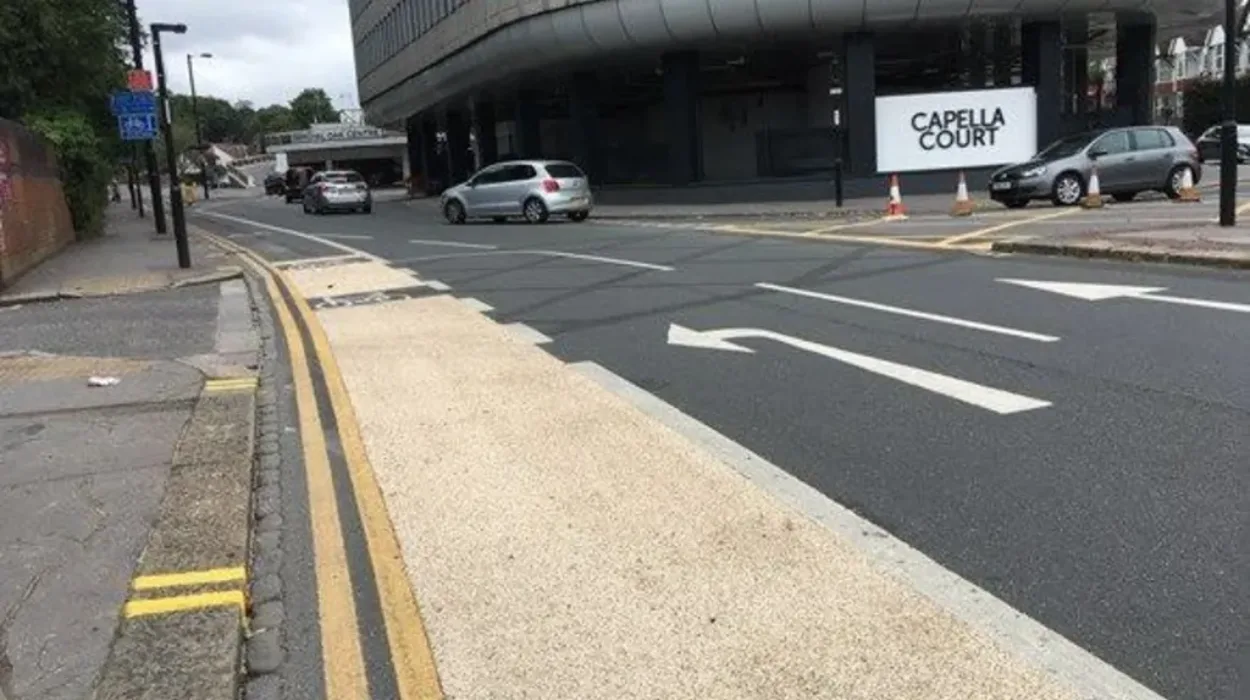
- The Trigger: This punitive measure was prompted when TfL found out that protective safety wands installed in a cycle lane on London Road in Croydon were removed from their places following an Instagram post by the Conservative mayor of Croydon, Jason Perry.
- Repayment Condition: It has been made clear by the TfL that funding would only be restored when the local authorities repay £234,917 spent on this segregated cycle scheme since the financial year 2020-21 along with a new LIP scheme.
- Mayor’s Defense: The mayor Jason Perry explained the reason behind removing the safety wands and said that the scheme put cyclists at risk, created congestion on road, obstructed buses and emergency services.
- Legal and Procedural Violations: TfL and London’s walking and cycling commissioner, Will Norman highlighted that the council did not get any consent and notification as per the Traffic Management Act.
- Political Implications: Croydon West Labour MP, Sarah Jones criticized Mayor Perry over his “repeated disregard for process” while Croydon Council cabinet member for streets and enforcement, Alasdair
London (Extra London News) September 5, 2026 – Transport for London has frozen more than £2 million in vital transport and road safety grants earmarked for Croydon Council after local leaders unilaterally dismantled a protected cycle lane. The financial sanction, which has plunged the South London borough into a bitter infrastructure dispute, was triggered when transport officials spotted digital evidence on social media confirming that the local authority had ripped out vertical separator wands along a key arterial route without prior consultation or legal consent.
- Key Points
- Why Has Transport for London Frozen Croydon’s Funding?
- What Did Mayor Jason Perry Say About Removing the Wands?
- How Did Croydon Council Defend Its Actions?
- What Are the Financial and Legal Consequences for Croydon?
- What Has Been the Political Reaction to the Funding Freeze?
- What Happens Next for Croydon’s Transport Strategy?
Why Has Transport for London Frozen Croydon’s Funding?
The high-stakes dispute centres on a segregated cycle lane along London Road that was originally financed through TfL’s Local Implementation Plan (LIP). According to detailed reporting by the Evening Standard and the Local Democracy Reporting Service (LDRS), TfL allocates LIP funding across all 32 London boroughs to support local transport upgrades, provided recipients adhere to agreed project scopes and statutory processes.
As reported by the Evening Standard, London’s Walking and Cycling Commissioner, Will Norman, told the LDRS:
“Boroughs cannot use public funding to deliver a scheme and then unlawfully decide to remove it.”
Mr Norman further stated to the LDRS, as highlighted by the Evening Standard:
“It is right that the council is required to repay the TfL funding that was spent on the cycle lane they removed without consent. Funding for their Local Implementation Plan (LIP) has been paused and any future support will be subject to a revised plan being agreed. This should send a clear message to all boroughs: if you accept TfL funding, we expect you to deliver the projects that funding was intended to support and follow the legal processes.”
What Did Mayor Jason Perry Say About Removing the Wands?
The controversy came to light in May when Croydon’s Conservative Mayor, Jason Perry, posted on his Instagram account that the council had dismantled the protective plastic wands separating cyclists from general traffic on London Road. Mr Perry maintained that the infrastructure was detrimental to the local road network.
As detailed in coverage by the BBC, Mayor Jason Perry argued that the scheme had endangered cyclists, restricted local parking and loading bays, caused unnecessary traffic congestion, and critically, blocked emergency vehicles from navigating past queues.
This action follows a similar local dispute in 2024, when Mayor Perry oversaw the removal of protective wands along Brighton Road following persistent complaints from local businesses and motorists regarding trip hazards and restricted access. Supporters of the administration argued that the council was simply fulfilling promises made to local voters.
Explore More Croydon News:
TfL Freezes £2m Funding After Cycle Lane Removal in Croydon 2026
New East Croydon Car Park Homes Plan in London, 2026
How Did Croydon Council Defend Its Actions?
Defending the local authority’s approach against mounting political pressure, Croydon councillor Alasdair Stewart, the cabinet member for streets and enforcement, offered a robust response.
As reported by the Evening Standard, Councillor Alasdair Stewart stated:
“Jason Perry and Conservative councillors were elected to listen to residents, not rubber-stamp schemes they have made clear over many years they do not want. We will continue standing up for their priorities.”
Furthermore, addressing broader criticisms regarding municipal competence, Councillor Stewart hit back at local parliamentarians, telling the Evening Standard:
“It takes some nerve for Sarah Jones to lecture Mayor Perry about competence or delivery. Jason Perry has spent four years cleaning up the mess left by the last Labour council, securing investment and delivering improvements that residents and businesses actually want and are already feeling the benefit of, from the new Wellesley Road crossing to improvements on Dingwall Road and George Street.”
What Are the Financial and Legal Consequences for Croydon?
The administrative fallout extends beyond the immediate suspension of new project approvals. TfL has stipulated that financial assistance will not be unfrozen until Croydon Council repays the full sum of £234,917 that was originally invested in the London Road scheme from the 2020–21 budget onwards.
In addition to financial clawbacks, transport regulators noted that the borough failed to submit required notifications under the Traffic Management Act prior to tampering with the active travel corridor. Consequently, Croydon has been forced to draft and submit a thoroughly revised LIP application, which must undergo rigorous evaluation before any withheld funds can be released.
What Has Been the Political Reaction to the Funding Freeze?
The decision by transport authorities to freeze millions in community grants has ignited intense political debate across London, drawing sharp condemnation from opposition politicians and active travel advocates alike.
As covered by the Evening Standard, Croydon West MP Sarah Jones fiercely criticized the local administration’s handling of public funds and regulatory compliance. Sarah Jones stated that
“Mayor Perry’s repeated disregard for process has left Croydon residents paying the price.”
Ms Jones also highlighted wider systemic issues within the borough’s governance, referencing a notable High Court ruling earlier in the year which deemed Croydon’s Low Traffic Neighbourhoods (LTNs) unlawful because they were improperly implemented to generate revenue rather than to improve genuine road safety.
Meanwhile, cycling campaigners have welcomed TfL’s strict stance against local authorities dismantling active travel infrastructure. As reported across transport news channels, Simon Munk, Head of Campaigns and Community Development for the London Cycling Campaign, posted on social media platform Bluesky:
“You cannot expect TfL and Londoners to pay councils to install safety & active travel schemes, then pay to rip them out, or even to pay for rubbish schemes that ignore or actively worsen active travel, road danger reduction, climate emissions reductions. This is a council leadership gone rogue.”
Simon Munk added praise for regional regulators, stating:
“It’s great to see Will Norman, the Mayor of London and TfL taking action on behalf of Londoners and planet to ensure our money isn’t misspent and that all London boroughs act responsibly on climate, health, road danger, pollution, noise and more.”
What Happens Next for Croydon’s Transport Strategy?
As Croydon Council works through the administrative process of revising its Local Implementation Plan to satisfy TfL’s compliance standards, local governance remains sharply divided over the future of urban mobility and road space allocation.
While municipal leaders insist they are prioritizing the immediate needs of motorists, local businesses, and emergency service access over cycle lane infrastructure, transport watchdogs and central authorities have drawn a firm line. The ongoing crisis serves as a stark warning to all municipal bodies across the capital: accepting regional transit grants carries a binding legal obligation to maintain and protect public infrastructure unless formal, lawful channels are pursued.