Key Points
- The Metropolitan Police executed a targeted raid on a phone, electronics, and watch shop near Electric Avenue in Brixton, arresting three staff members on suspicion of handling stolen goods.
- The raid formed part of Operation Zoridon, an intensive two-week Met Police initiative targeting phone theft, shoplifting, and retail crime networks across the capital.
- Specialized police search teams utilized ultraviolet (UV) torches and forensic chemical DNA technology to trace stolen handsets among hundreds of boxed devices.
- Officers seized numerous devices suspected to have been stolen, including one phone linked to a theft recorded years prior, while customer repairs were impounded pending property checks.
- Metropolitan Police Deputy Commissioner Matt Jukes emphasized that illicit operations undermine legitimate high street businesses and fuel widespread public anxiety over community safety.
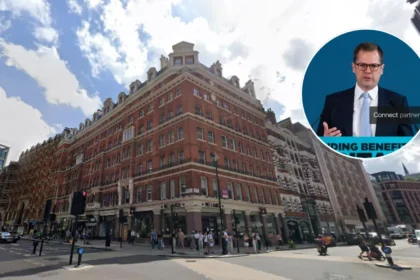
Brixton (Extra London News) october 22, 2026 – Metropolitan Police officers executed a high-visibility raid on an electronics and watch repair shop near Electric Avenue in Brixton as part of a major two-week enforcement campaign designed to dismantle illicit markets for stolen mobile devices across London. Supported by tactical units, the operation led to the detention and arrest of three shop employees following the discovery of multiple suspect handsets. The action forms a core component of Scotland Yard’s broader effort to restore public confidence, support local retail ecosystems, and suppress street-level robberies by targeting the commercial outlets that profit from stolen goods.
- Key Points
- How Did the Met Police Execute the Brixton Raid?
- What Forensic Methods Were Used to Identify Stolen Property?
- How Did the Public and Customers React During the Operation?
- What Is the Scope of Operation Zoridon and Scotland Yard’s Strategy?
- Background of London’s Mobile Phone Theft Blitz
- Prediction: How Will This Crackdown Affect London Consumers and Local Businesses?
How Did the Met Police Execute the Brixton Raid?
As reported by reporter Jane Dalton of Metro, a tactical convoy of emergency vehicles snaked its way through local traffic before bringing officers directly to the target venue near Brixton’s historic Electric Avenue. An officer equipped with an ‘enforcer’—a specialized handheld battering ram—led the entry team to the storefront of the phone repair, electrical goods, and watch shop suspected of receiving and trade-in operations involving stolen property.
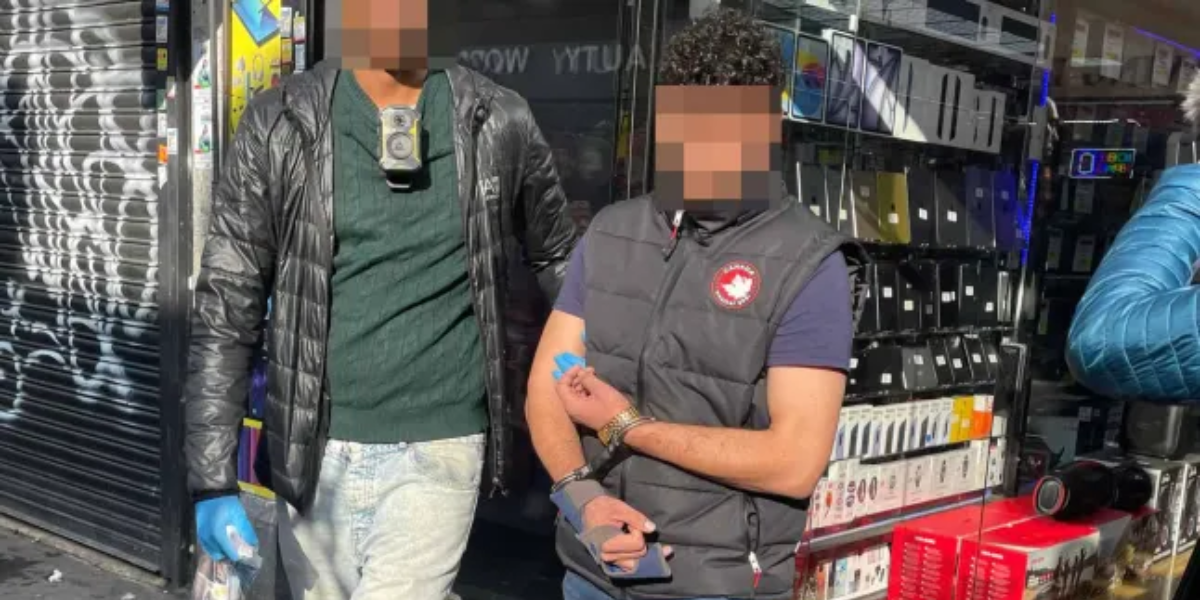
However, forcible entry was ultimately unnecessary as officers moved rapidly through an open door, securing the premises and surprising the three staff members inside. Search teams immediately commenced systematic checks of display cabinets and storage areas packed with hundreds of boxed iPhones and other modern smartphones.
What Forensic Methods Were Used to Identify Stolen Property?
As reported by Metro, officers deployed specialized ultraviolet (UV) torches to inspect the surfaces and internals of individual handsets throughout the search. Modern mobile technology frequently incorporates forensic chemical markers and specialized coatings that allow law enforcement to detect tracing details, verifying the registered identity and provenance of specific hardware.
The meticulous examination uncovered several devices believed to have been stolen, including at least one handset tied to a theft reported years earlier. Following the discovery, police officers placed all three shop staff members in handcuffs, arresting them on suspicion of handling stolen goods and subjecting them to formal questioning regarding their involvement in the shop’s operational practices.
As reported by Metro, Metropolitan Police Deputy Commissioner Matt Jukes stated: “These shops are undercutting legitimate businesses and the public are concerned about it. We are using chemical DNA to show up property that has been stolen.”
How Did the Public and Customers React During the Operation?
As reported by Metro, a large crowd of local residents and passersby gathered outside the establishment as officers conducted their search. The operation caused immediate friction with existing customers who had previously left their personal handsets at the location for technical repairs or routine servicing.
Police officers informed waiting customers that all current stock and devices on the premises were being held temporarily until exhaustive serial number and ownership checks could be finalized. As reported by Metro, one irate customer begged officers, stating: “Come on, bruv, I need my phone. It’s not stolen.” In response, an officer detailed the legal framework governing the seizure of potentially stolen property, reassuring members of the public that any devices verified as uninvolved in criminal activity would be released and returned once checks were complete.
What Is the Scope of Operation Zoridon and Scotland Yard’s Strategy?
As reported by Metro, the Brixton action was part of an extensive two-week enforcement blitz codenamed Operation Zoridon. Speaking at a briefing prior to the raid attended by retail industry representatives and law enforcement personnel, Deputy Commissioner Matt Jukes outlined the force’s evolving strategy regarding retail and street crime across the capital.
Deputy Commissioner Jukes explained that he had recently completed visits across all London boroughs to engage directly with local residents regarding how retail crime, muggings, and device snatching affect community safety. He highlighted that handling stolen property, phone theft, and shoplifting now represent top priorities for Scotland Yard, emphasizing that law enforcement is actively expanding its focus beyond high street storefronts to target broader supply chains and organized handling syndicates.
Background of London’s Mobile Phone Theft Blitz
Mobile phone theft and snatching have emerged as significant street-level crime challenges across Greater London in recent years. Drive-by thefts perpetrated by individuals operating e-bikes, mopeds, and bicycles have particularly impacted busy pedestrian hubs, transport interchanges, and high streets across central and inner-city boroughs.
In response to rising public concern and commercial impact, the Metropolitan Police implemented multi-faceted operations targeting both the street-level perpetrators and the secondary markets that monetize stolen technology. Scotland Yard’s operational strategy increasingly focuses on breaking the economic chain of phone theft. By targeting non-compliant repair shops, unauthorized traders, and illicit exporters, law enforcement aims to remove the financial incentive for street robberies.
To enhance detection capabilities, UK police forces have increasingly adopted forensic marking methods, such as synthetic DNA solutions and chemical tracers. These invisible compounds allow officers conducting routine or intelligence-led inspections to rapidly match seized items against national loss registries, even when device serial numbers or software identifiers have been tampered with or reset.
Prediction: How Will This Crackdown Affect London Consumers and Local Businesses?
The intensification of Metropolitan Police operations like Operation Zoridon is expected to have notable effects on consumers, legitimate retailers, and local communities across London:
- Impact on Consumers and Device Owners: Increased police scrutiny on repair shops may cause temporary delays or administrative hurdles for individuals using independent repair services. Consumers will need to rely more heavily on accredited service centers or ensure they retain proof of purchase and repair documentation. Conversely, a reduction in the commercial market for stolen devices is predicted to deter opportunistic street robberies, ultimately improving personal safety for pedestrians using mobile devices in public spaces.
- Impact on Independent Businesses: Legitimate independent tech repair and reseller businesses stand to benefit from a fairer commercial environment as illegal operators who profit from cheap, stolen inventory are disrupted. However, compliant businesses will likely face stricter regulatory compliance demands, including mandatory record-keeping of serial numbers, seller identification checks, and participation in voluntary anti-fencing protocols.
- Impact on Criminal Networks: As law enforcement continues deploying advanced forensic tracing methods like chemical DNA and UV identification, handling stolen technology will carry significantly higher operational risks. This shift is anticipated to push illicit trade away from physical high street premises toward unverified online marketplaces or international smuggling routes, requiring further adaptation from cyber and border enforcement authorities.