Key Points
- PC Max Kelly of the Metropolitan Police’s Territorial Support Group (TSG) solved a residential burglary in Lewisham using a single spoken name as a lead.
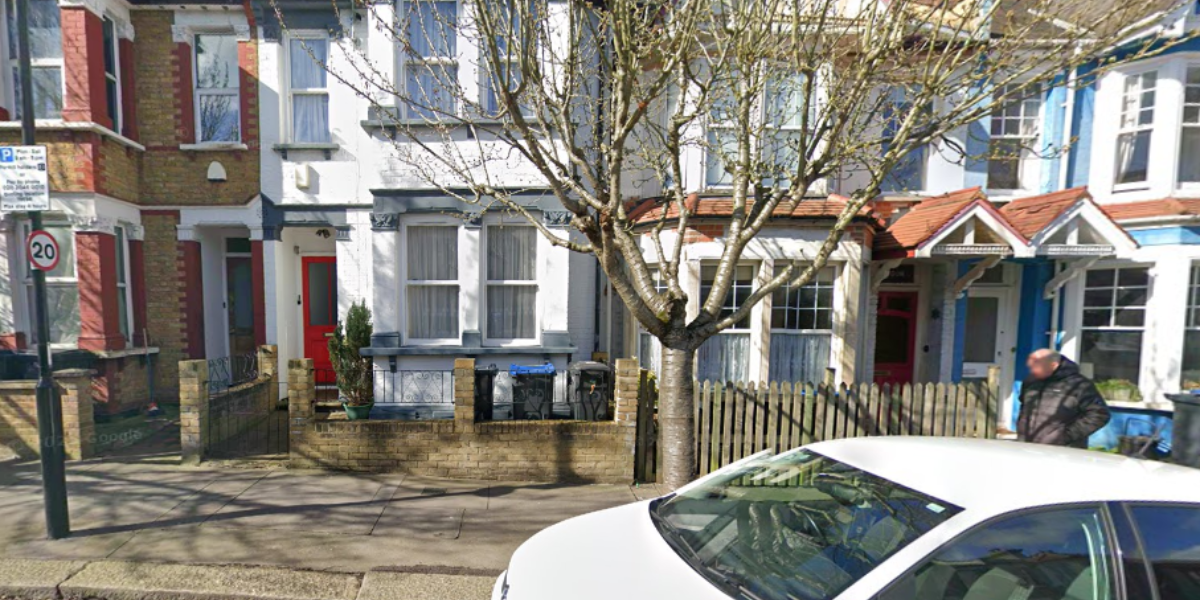
- Three men forcibly broke through the front door of a property on Lee High Road, near Lewisham station, on Thursday, July 16.
- The victim was unable to provide a full description of the suspects but recalled hearing one intruder shout, “Come on Tyrone, let’s go.”
- PC Kelly cross-referenced police database records across Lewisham for the name “Tyrone” and manually compared suspect images against Ring doorbell footage.
- The investigation identified 47-year-old serial offender Tyrone Muir as a match.
- PC Kelly spotted and arrested Muir on a bench 10 minutes away from his home address, despite Muir attempting to disguise his appearance.
Extra London News (ELN) october 20, 2026 – A Metropolitan Police officer successfully identified and arrested a burglary suspect in South London by cross-referencing local intelligence databases with a single spoken word overheard by a victim. Three men forcibly entered a home on Lee High Road, near Lewisham railway station, before fleeing the scene when caught on security cameras. Despite minimal initial suspect descriptions, police processed the single verbal clue to identify serial offender Tyrone Muir, 47, who was subsequently taken into custody on suspicion of burglary.
- Key Points
- How Did a Single Spoken Word Lead to a Breakthrough in the Lewisham Burglary Case?
- How Did PC Max Kelly Trace the Suspect Using Police Database Records?
- Where Was Tyrone Muir Located and Arrested by Police?
- Background of the Lewisham Residential Security and Burglary Response
- What Does This Development Mean for South London Residents and Local Policing?
How Did a Single Spoken Word Lead to a Breakthrough in the Lewisham Burglary Case?
The incident began on Thursday, July 16, when officers were dispatched to Lee High Road near Lewisham station following emergency calls reporting an active residential break-in. Upon arrival, officers established that three men had smashed through the front entrance of the property to gain access.
As reported by police officers who reviewed footage captured by the victim’s Ring doorbell, the three suspects forced their way inside the residence before fleeing the scene. PC Max Kelly, attached to the Metropolitan Police’s Territorial Support Group (TSG), attended the scene and conducted the initial inquiry.
The victim was visibly distressed following the break-in and initially struggled to provide detailed physical descriptions of the intruders. However, during extensive questioning by PC Kelly, the victim remembered a specific verbal exchange during the incident. The victim recalled hearing one of the intruders shout: “Come on Tyrone, let’s go.”
How Did PC Max Kelly Trace the Suspect Using Police Database Records?
Faced with a lack of physical descriptions or direct forensic evidence at the initial stage, PC Kelly utilized the name “Tyrone” as the primary line of inquiry. Rather than treating the limited details as a dead end, the officer initiated a targeted search across Metropolitan Police custody and intelligence records specific to the Lewisham area.
PC Kelly systematically reviewed local records to compile a list of potential matches sharing the first name. The officer then manually cross-referenced custody photographs against the video footage recorded by the victim’s Ring doorbell camera.
This process led PC Kelly to identify 47-year-old Tyrone Muir, a known serial offender in the area, whose image matched one of the men recorded on the victim’s security camera during the forced entry.
Detailing the investigative process, PC Kelly stated: “It took time to trawl through all the potential matches, but I was determined to explore every avenue.”
Where Was Tyrone Muir Located and Arrested by Police?
Following the visual identification from police records, officers prepared to execute an arrest at Muir’s recorded home address in Lewisham.
While en route to the location, PC Kelly observed a man sitting on a public bench approximately 10 minutes away from Muir’s residence. Despite the individual having altered his clothing and appearance to disguise himself following the earlier break-in, PC Kelly recognized him from the custody photographs and security footage.
PC Kelly approached the suspect on the bench and placed Muir under arrest on suspicion of burglary. The suspect was subsequently transported to a South London police station for formal processing and questioning.
Background of the Lewisham Residential Security and Burglary Response
The investigation highlights the role of consumer smart-home technology, such as video doorbells, in contemporary neighborhood policing across London. Over recent years, footage captured by private security cameras has become a primary source of initial evidence for the Metropolitan Police in residential property crimes.
The Territorial Support Group (TSG), to which PC Kelly is attached, is a specialized unit within the Metropolitan Police Service primarily task-force-driven to respond to public order incidents, high-visibility priority crime patrols, and localized violent crime reduction operations across Greater London. TSG officers are frequently deployed to support borough-level policing teams during active operational investigations or periods of heightened priority crime categories, such as domestic burglaries and street robberies.
In London criminal justice procedure, police database cross-referencing relies heavily on local intelligence holdings maintained by specific Borough Command Units (BCUs). Officers investigating offenses with limited suspect information often depend on localized custody records, known associate lists, and historical offender profiles tied to specific geographic zones like Lewisham.
What Does This Development Mean for South London Residents and Local Policing?
This development illustrates how proactive investigative methods combined with private surveillance technology impact local communities and law enforcement workflows in South London.
Impact on South London Residents
For homeowners and tenants in Lewisham and neighboring South London boroughs, the case emphasizes the practical utility of audio-visual doorbells and home security setups. Video evidence combined with audible details provides law enforcement with actionable intelligence, potentially increasing detection rates for opportunistic break-ins. The quick apprehension of a repeat offender may also offer reassurance to local residents regarding response times and thoroughness in residential crime investigations.
Impact on Law Enforcement Procedures
For the Metropolitan Police, the successful arrest underscores the value of systematic manual cross-referencing when automated software or biometric data is unavailable or inconclusive. It demonstrates how frontline officers can combine traditional observational skills with digital evidence to resolve cases rapidly without relying solely on full physical suspect descriptions. Furthermore, it reinforces the operational benefit of deploying specialized units like the TSG to assist local borough officers in handling immediate-response investigations.