Key Points
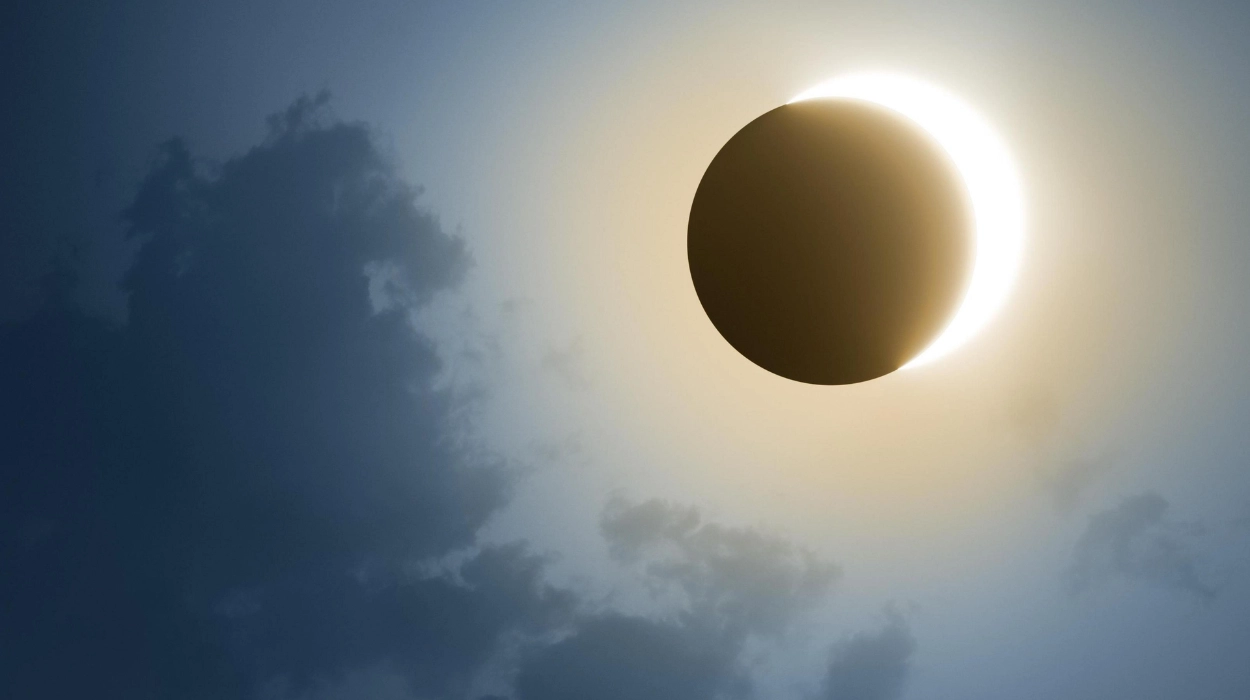
- A rare solar eclipse—the best visible from the UK in almost 27 years—is scheduled to occur on August 12.
- While residents in Greenland, Iceland, and Northern Spain will experience a total solar eclipse, the UK will witness a partial eclipse with approximately 90% of the sun covered by the moon.
- This event marks the most complete solar eclipse seen in the UK since 1999, prompting millions in the capital to look toward the skies.
- Meteorological predictions are currently variable; long-term outlooks from the Met Office indicate potential spells of dry, warm, and sunny weather in the south, whereas initial BBC long-range models suggest light cloud cover and temperatures reaching 29C.
- The eclipse will begin in London at 6:17 pm on August 12, reaching its peak at 7:13 pm and concluding at 8:06 pm, lasting for a total duration of one hour and 49 minutes.
London (Extra London News) August 3, 2026 – Millions of astronomy enthusiasts and casual observers across the capital are preparing for a celestial spectacle as the United Kingdom counts down to its most significant solar eclipse in nearly three decades. Scheduled for August 12, the astronomical event will offer a dramatic partial eclipse across the British Isles, masking roughly 90% of the sun. As anticipation builds throughout the metropolitan area, the central query for millions hoping to catch a glimpse of the phenomenon remains firmly fixed on atmospheric conditions: what will the weather forecast actually deliver on the day?
As reported by Matt Watts and Michael Howie of The Standard, “The best solar eclipse visible from the UK in almost 27 years is to occur on August 12.” While international observers situated along the path of totality in Greenland, Iceland, and Northern Spain will experience complete darkness as the moon fully obscures the sun, observers in London and across the rest of the UK will witness a massive partial eclipse. This represents the most complete solar eclipse experienced domestically since August 11, 1999, a historic event where London skies were infamously marred by cloud cover, leaving many disappointed. Consequently, current public interest is intensely focused on whether meteorological conditions will cooperate this time around, ensuring clear lines of sight across famous viewing platforms, parks, and bridges throughout the capital.
What will the weather be like in London for the solar eclipse?
Determining precise meteorological conditions weeks in advance remains a challenging task for forecasters, though seasonal factors offer reasons for cautious optimism. As detailed by Matt Watts and Michael Howie of The Standard,
“The eclipse takes place in summer, so there’s a better chance of clear skies than you’d expect in autumn or winter.”
However, Matt Watts and Michael Howie of The Standard noted that
“At the moment its too far away to accurately predict the weather.”
To gauge early expectations, meteorologists point toward shifting long-range continental and domestic models. According to reporting by Matt Watts and Michael Howie of The Standard,
“The Met’s long-term forecast for the UK up to August 13 predicts ‘further spells of dry, warm, sunny weather and cooler, wetter and breezier weather’ towards the middle of the month.”
Furthermore, the agency’s broader outlook indicates that southern regions of England stand a better chance of experiencing favorable conditions, noting a “potential for some very warm or hot spells.”
In contrast, alternative atmospheric analyses introduce potential variables regarding cloud cover. As highlighted by Matt Watts and Michael Howie of The Standard,
“The long-range forecast on the BBC website on Saturday, August 1 suggests the weather could be cloudy during the eclipse.”
Specifically, those initial projections outline “light cloud and winds for most of the day on Wednesday, August 12 with a temperature of 29C.” Acknowledging the fluid nature of meteorological forecasting, Matt Watts and Michael Howie of The Standard assured readers that journalists and weather desks “will be updating the forecast as we get closer to the day.”
Explore More london Local News
Ealing Blues Festival Lineup At Walpole Park Ealing 2026
Barnet Gays Celebrates Third Anniversary in Barnet 2026
When and how can Londoners watch the celestial event?
Timing is critical for anyone planning to witness the partial eclipse, especially for urban workers and residents organizing evening outdoor gatherings. Providing exact chronological details, Matt Watts and Michael Howie of The Standard reported that “This year’s solar eclipse will begin at 6.17pm on August 12.”
As the moon gradually transits across the solar disk during the evening commute, the alignment will progress significantly over the course of nearly two hours. Matt Watts and Michael Howie of The Standard stated that
“The whole phenomenon will last around an hour and 49 minutes until 8.06pm.”
Crucially, for those aiming to experience the maximum visual impact of the obscured sun, Matt Watts and Michael Howie of The Standard specified that
“The height of the eclipse is expected at 7.13pm for Londoners.”
As meteorological models continue to evolve in the days leading up to August 12, public attention will remain closely locked on real-time atmospheric updates from the Met Office and independent forecasting outlets. Whether the evening brings the scorching 29C temperatures and light cloud cover suggested by early models, or the clear, dry southern warmth highlighted by long-term seasonal indicators, London’s millions are poised for a historic astronomical evening.