Key Points
- Dramatic Transformation: London Fields in East London has transitioned from a dangerous, crime-ridden area into one of the capital’s most desirable and in-demand postcodes.
- Historical Reputation: During the 1980s, 1990s, and 2000s, the wider Hackney borough and London Fields specifically carried a reputation as a ‘no-go area’ where people were warned not to go.
- Property Market Surge: According to Rightmove data cited by MyLondon, Hackney ranks second for home hunters, with average property prices in London Fields reaching £718,636 over the past year, while terraced homes averaged £1,239,611.
- Cultural Shift and Demographics: The area has seen a massive influx of affluent professionals, including many Americans and Australians—leading some locals to dub it the “new Australia”—alongside a noticeable drop in the elderly population.
- Gentrification Debate: While local community members and gym-goers like Levi acknowledge that gentrification brought safety and potential, they also note that soaring prices have alienated long-term residents.
London (Extra London News) August 3, 2026 — There was a time when mentioning “London Fields” evoked a stark warning rather than a glowing recommendation. Today, the East London neighborhood sits comfortably near the top of lists detailing the capital’s most sought-after and expensive postcodes. However, for those who lived through its rougher decades, this profound evolution tells a far more intricate tale than simple rows of trendy coffee shops and inflating property values can fully convey.
Over the past two decades, London has undergone massive shifts under the pressures of a growing population. While districts like Walthamstow and Peckham serve as textbook examples of heavy urban gentrification, Hackney—and London Fields in particular—has experienced arguably the most striking reversal. Once dismissed widely across the capital during the 1980s, 1990s, and 2000s with warnings to “never go to Hackney” due to high rates of crime and danger, the area now represents the pinnacle of modern urban living.
Why did London Fields change from a no-go area to a hotspot?
According to data compiled by Rightmove, Hackney currently ranks second behind the Docklands as the most popular area for home hunters, with London Fields acting as its crown jewel. Anchored by its namesake park, Broadway Market, independent cafes, restaurants, and the iconic lido, the district has transformed into a powerful magnet for newcomers.
As reported by Ayokunle Oluwalana, Senior Multimedia Journalist for MyLondon, the demographic landscape of the neighborhood has shifted drastically. The influx has even earned the neighborhood a playful new moniker: the “new Australia,” as young expatriates increasingly ditch traditional hubs like Clapham to settle around London Fields.
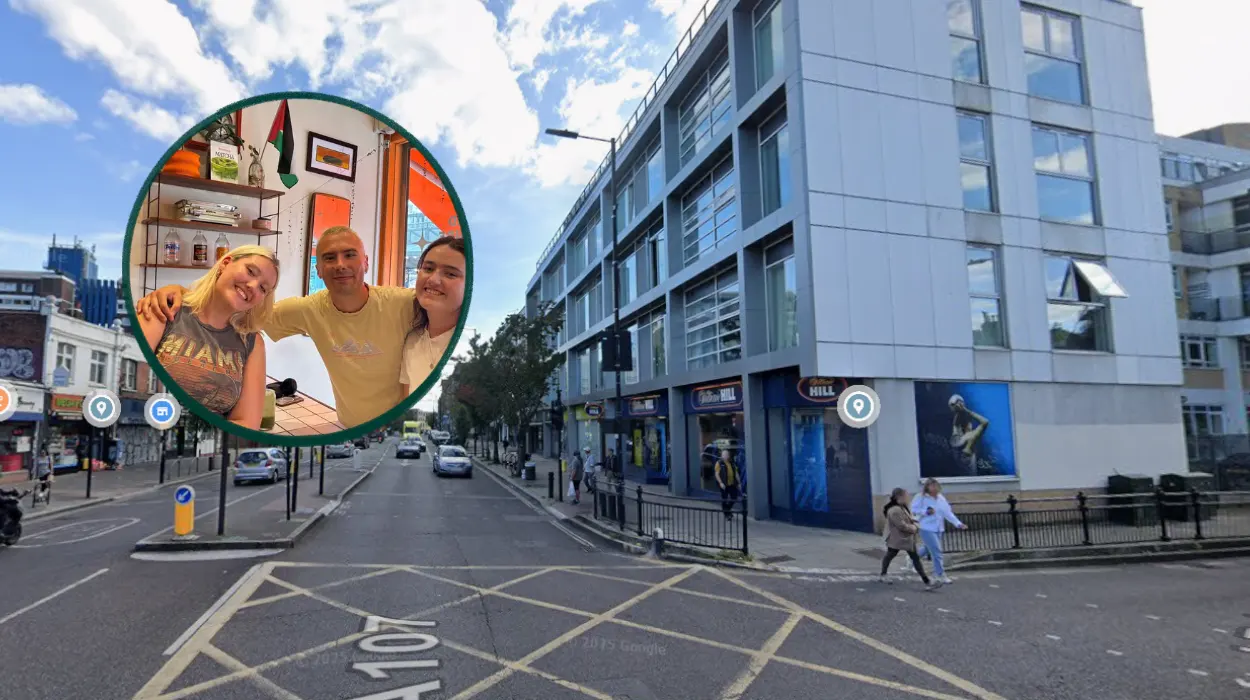
Local resident Alex, speaking alongside peers Tilen and Billie, shared observations on the changing community with MyLondon journalist Ayokunle Oluwalana, stating that
“the community has changed in the area. We’ve started noticing a lot of people with American accents around. We hear a lot of Australians as well but not as many elderly people. It seems like a memo has gone out for people to come here.”
Reflecting on the historical contrast, Alex added in the MyLondon report:
“There is a lot of nostalgia, though, about how things were [better back in the day], but it was still rough. It’s inevitable [that people will come]. Would you have wanted the area to stay the same when there was nothing? It’s sadly the price you have to pay. There’s always a lot of anger at wealthy people coming in but there are a lot of factors to consider.”
How much do houses cost in London Fields now?
The staggering physical and economic transformation of the neighborhood is directly mirrored in the local real estate market. Property statistics from Rightmove show that the average house price in London Fields hit £718,636 over the preceding year.
A breakdown of the market reveals that flats made up the vast majority of transactions, commanding an average price of £576,810. Meanwhile, terraced properties fetched an average of £1,239,611, and semi-detached homes soared to an average of £1,940,000. These multi-million-pound figures stand in extraordinary contrast to a district that locals remember as a hazardous territory.
Explore More London Local News
England Drought Crisis Sparks Hosepipe Bans in London 2026
London Crime Map Reveals Dangerous Areas in Islington 2026
What do long-term residents say about gentrification?
Despite the gleaming storefronts of high-end brands like Planet Organic and Aesop, and the bustling weekend stalls of Broadway Market, the reality of gentrification remains deeply polarizing. Lived experiences remind the public that beneath the glossy surface lies a history marked by serious crime, including past shootings near Grand Union Crescent.
Levi, a local resident who regularly conducts workouts with the community fitness group Broadway Movement using the pull-up bars in London Fields park, offered a balanced perspective on the neighborhood’s modern identity.
As reported by MyLondon senior multimedia journalist Ayokunle Oluwalana, Levi stated that
“I think everybody who lived around East would have known London Fields used to be a no-go area, especially at night.”
Levi further explained to MyLondon reporter Ayokunle Oluwalana:
“Gentrification has its pros and cons but it helped this area become a lot safer for everyone to come and see the potential of it. I’m not surprised to see it as one of the most in-demand places but it does alienate some people. I think it’s what happens in life. We, the people, create the trends and make places viable for growth, but when places are in high demand, prices go up, which means the people who have been there forever feel alienated.”
Is London Fields losing its original identity?
The rapid acceleration of commercial development and the arrival of high-profile celebrities have successfully branded London Fields as effortlessly “cool”. Yet, this cultural victory comes with social costs. Long-standing inhabitants frequently grapple with a sense of displacement as independent shops give way to corporate chains, and traditional community networks are reshaped by transient, affluent populations.
Ultimately, the story of London Fields is not a simple narrative of urban renewal. It is a complex study of how economic forces reshape geography. While safety and prosperity have replaced the fear and neglect of the late 20th century, the soul of the community continues to negotiate the heavy price of progress.