Key Points
- Fatal Incident: A person tragically died following a rush-hour incident on the tracks at Highgate Underground Station in North London.
- Emergency Response: Emergency services, including the British Transport Police (BTP), London Ambulance Service, an incident response officer, a clinical team manager, and London’s Air Ambulance, rushed to the scene at approximately 7:59 AM to 8:00 AM on July 29.
- Pronounced Dead: Despite the rapid arrival of paramedics within four minutes, the individual was pronounced dead at the scene.
- Police Findings: The British Transport Police confirmed that the victim’s age and gender have not been made public, and authorities are not treating the incident as suspicious.
- Coroner Involvement: Officers are currently preparing a file for the coroner ahead of an upcoming inquest.
- Travel Disruption: Transport for London (TfL) initially suspended sections of the Northern line between High Barnet and Archway, later refining the suspension to southbound services between East Finchley and Archway.
- Secondary Delays: Separately, severe delays were compounded across the line due to a faulty train at East Finchley.
- Alternative Travel: Affected commuters had their tickets accepted on London Buses, specifically utilizing routes 143, 234, and 263.
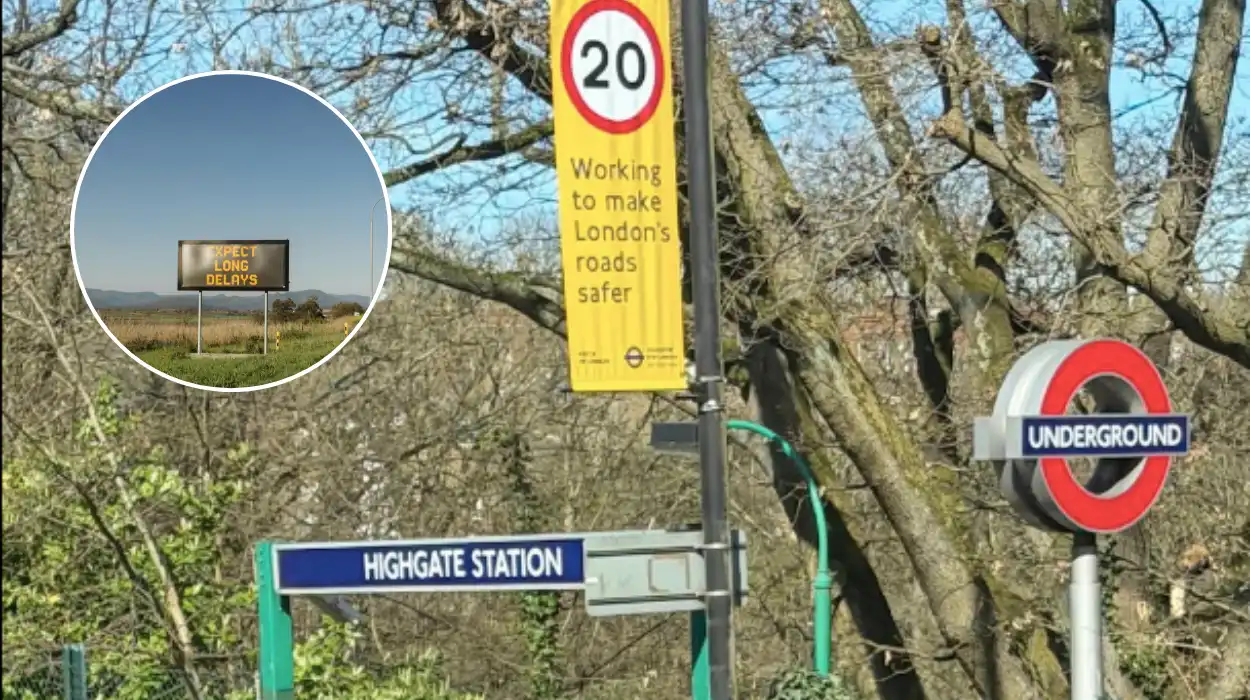
London (Extra London News) July 29, 2026 — A tragic morning commute unfolded across North London after a person lost their life following an incident on the tracks at Highgate Tube station, triggering widespread travel chaos and major suspensions across a critical section of the Northern line. Emergency services flooded the area shortly before 8:00 AM on Wednesday, July 29, following urgent reports of a casualty on the railway. Despite a swift and coordinated multi-agency medical response, the individual succumbed to their injuries and was pronounced dead at the location. The sudden disruption threw morning travel plans into disarray for thousands of commuters relying on the underground network, compounding misery as transport authorities scrambled to manage both the emergency response and secondary technical failures elsewhere on the line.
- Key Points
- How Did Emergency Services Respond to the Highgate Station Incident?
- What Are the Details Released by the British Transport Police?
- How Was the Northern Line Affected by the Suspension?
- What Other Issues Complicated Travel Disruptions on the Day?
- What Alternative Travel Options Were Provided for Commuters?
How Did Emergency Services Respond to the Highgate Station Incident?
The emergency response was launched immediately following automated and witness alerts regarding a person on the tracks. As reported by Rebecca McCulloch, Trainee Multimedia Reporter of MyLondon, emergency services were called to Highgate station at around 8:00 AM.
Adding precise timing details, reporting from the Ham & High noted that a London Ambulance Service spokesperson stated:
“We were called at 7.59am today (29 July) to reports of a person hit by a train at Highgate Underground Station, N6.”
The scale of the medical deployment underscored the severity of the crisis. The London Ambulance Service spokesperson further detailed to the Ham & High that:
“We sent resources to the scene including an ambulance crew, an incident response officer and a clinical team manager. We also dispatched London’s Air Ambulance.”
Emphasizing the speed of the initial medical personnel, the spokesperson added:
“Our first paramedics arrived in four minutes. Very sadly, a person was pronounced dead at the scene.”
What Are the Details Released by the British Transport Police?
As investigations got underway at the North London transport hub, law enforcement officials stepped in to secure the perimeter and examine the circumstances surrounding the fatality.
Providing official updates on the nature of the event, the British Transport Police (BTP) stated that the injured person died at the scene on the London Underground.
Authorities confirmed that the identity, age, and gender of the deceased individual have not yet been made public while next-of-kin procedures and formal identifications take place.
Addressing concerns over public safety and criminality, the British Transport Police explicitly noted that officers are not treating the incident as suspicious. Instead, law enforcement personnel are shifting their focus toward administrative and judicial protocols.
As highlighted by MyLondon, officers will now prepare a comprehensive coroner’s file ahead of an upcoming formal inquest to establish the exact chain of events leading to the tragedy.
Explore More Barnet News
New Loneliness Support Service Launches in Barnet 2026
Barnet Council Planning Applications Update: London 2026
How Was the Northern Line Affected by the Suspension?
The physical reality of a casualty on the tracks necessitated an immediate shutdown of electrical power and train movements to allow emergency crews to operate safely. Transport for London (TfL) implemented emergency timetable changes and service halts.
According to initial updates provided by MyLondon, Transport for London suspended the Northern line between High Barnet and Archway whilst the emergency services dealt with the active scene.
Expanding on the geographical footprint of the disruption, reporter Deb Gayen of This Is Local London noted that the service suspension affected multiple crucial stations along the northern branch, including High Barnet, Totteridge & Whetstone, Woodside Park, Finchley Central, East Finchley, Highgate, and Archway.
As the morning progressed, TfL fine-tuned the parameters of the shutdown. Reporting compiled by situational analysts at Datasurfr indicated that the service restriction was subsequently updated, noting that the suspension was primarily concentrated on southbound services between East Finchley and Archway, while minor and severe delays rippled across the remainder of the wider Northern line network.
What Other Issues Complicated Travel Disruptions on the Day?
Compounding the misery for commuters attempting to navigate North London during the morning rush hour, the fatality at Highgate was not the sole technical hurdle faced by Transport for London on July 29.
As documented in the reporting by Rebecca McCulloch of MyLondon, the network suffered from a simultaneous, compounded failure elsewhere on the corridor. The report explicitly pointed out that:
“There was no service on part of the Northern line due to the incident and separately a faulty train at East Finchley caused severe delays at the line.”
This double blow meant that passengers attempting alternative workarounds found themselves trapped in extended bottlenecks.
The presence of a broken-down train at East Finchley severely constrained the line’s capacity to clear backlog passenger volumes even as sections outside the immediate Highgate zone attempted to resume normal operations.
What Alternative Travel Options Were Provided for Commuters?
With Highgate station entirely closed to the public and core stretches of the Northern line paralyzed, thousands of stranded commuters were forced to seek alternative surface-level transit options.
To mitigate the inconvenience, Transport for London arranged ticket acceptance frameworks across municipal transport networks.
As outlined by MyLondon, valid underground tickets were widely accepted across London Buses to bridge the connectivity gaps caused by the suspension.
Providing granular tactical advice for affected travellers, logistical updates monitored by Datasurfr recommended specific routing alternatives: passengers travelling between East Finchley and Archway were strongly advised to board London Buses routes 143, 234, and 263, which offered estimated journey times ranging between 12 to 14 minutes.
Similarly, commuters travelling in the reverse direction from Archway towards East Finchley were directed to utilize routes 143 and 234, ensuring a baseline continuity of transit across the Haringey borough while emergency management operations at Highgate station persisted well into the late morning.