Key Points
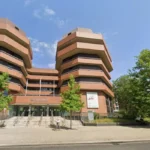
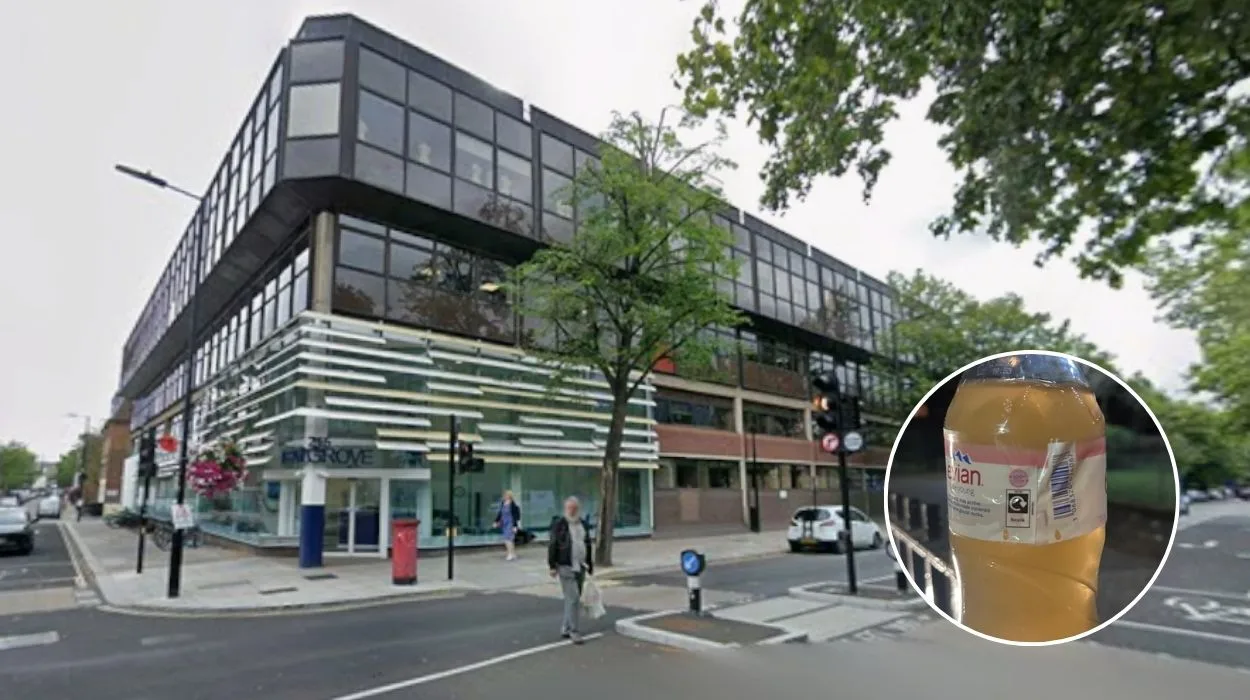
- The Incident: Residents of Morgan House on the Lillington and Longmoore Gardens Estate in Pimlico reported their tap water turning a “Fanta-like” orange colour and emitting a strong odour reminiscent of petrol starting in April 2025.
- Council Response: Westminster City Council initially maintained the water was safe following testing, but has now formally apologised for its handling of the situation and promised a full investigation.
- Resident Concerns: Tenants expressed feeling “gaslit” by authorities, stating they were forced to use bottled water for basic tasks like washing their faces and cleaning vegetables due to concerns about skin irritation and potential health risks.
- Disputed Testing: While council-led testing reportedly found no hydrocarbons, private testing commissioned by residents identified “significantly elevated” levels of hydrocarbon compounds.
- Institutional Failure: Local ward councillor Ed Pitt Ford alleged that contractors were dismissive and that the council failed to perform adequate diagnostic testing, accusing the local authority of “running down the clock” on the issue.
London (Extra London News) July 17, 2026 – Westminster City Council has issued a formal apology to residents of the Lillington and Longmoore Gardens Estate in Pimlico following a protracted dispute over contaminated water supplies that left families fearing for their health. For over a year, tenants living in Morgan House endured what they described as “Fanta-coloured” water that carried the distinct, alarming smell of petrol. The apology, delivered during a council meeting on July 7, marks a significant shift in the local authority’s stance after it previously faced intense criticism for its handling of the crisis.
Why did residents feel “gaslit” by the council?
The situation began in April 2025 when residents first noticed the water quality deteriorating. As reported by Katherine Gray of MyLondon, tenants felt their concerns were systematically downplayed or ignored by those in power. Many residents reported suffering from itchy and irritated skin, leading them to abandon their tap water in favour of bottled supplies for daily hygiene and cooking.
Akiko Yoshioka, a mother who has lived on the estate since 2011, told the Local Democracy Reporting Service (LDRS) in June 2025 that the lack of accountability created a sense of helplessness. “No one wants to take responsibility. They throw things to residents and they suffer. No one cares,” she stated. According to the report by Adrian Zorzut for MyLondon, Ms. Yoshioka ceased using the tap water immediately, noting that she simply did not feel it was safe for her or her young child.
What caused the conflict over water testing?
A central point of contention throughout the ordeal was the disparity between official council testing and private tests commissioned by the community. Westminster City Council, relying on tests conducted by Thames Water on April 16, 2025, consistently reported that no traces of petroleum hydrocarbons were present and that the water remained safe for consumption.
However, residents and local representatives disputed the efficacy of these tests. As reported by Adrian Zorzut of MyLondon, Ward Councillor Ed Pitt Ford claimed that the council had only conducted pH testing, which he asserted was insufficient to detect petrochemical contamination. In a stark contradiction to the council’s findings, private testing later obtained by residents revealed “significantly elevated” levels of hydrocarbon compounds—substances typically associated with diesel, petrol, and mineral oils.
Explore more Westminster News:
Tory Council Cuts Universal Free School Meals: Westminster 2026
Freemasons Grant Boosts St Vincent’s Child Support: Westminster 2026
How did the local council respond to the allegations?
The council’s initial approach was described by residents as having a “siege mentality.” Ernest Stafford, a resident of the estate, expressed profound frustration during the events, stating to the LDRS: “No resident should ever smell a petrol-type substance in their tap water. Industry guidance says any hydrocarbon odour should trigger an immediate investigation.”
Councillor Ed Pitt Ford further alleged that council contractors were “aggressive” during site visits and failed to adequately investigate the water supply. He claimed his request for £200 from the local ward budget to facilitate independent, thorough testing was denied, leading him to accuse the council of “running down the clock” regarding the existing water samples.
Following months of pressure and the persistence of residents who—as Mr. Stafford noted—”spent a year doing the work themselves,” the council finally relented. At the meeting held on July 7, 2026, council officers committed to a formal letter of apology to all affected residents and agreed to conduct comprehensive testing of all relevant water supplies to ensure safety.
What are the broader implications for housing management?
The Pimlico water crisis has highlighted deep-seated concerns regarding the responsiveness of local housing authorities when dealing with complex infrastructure complaints. While Westminster City Council has now promised a full investigation into the handling of the Morgan House incident, the case serves as a stark example of the challenges tenants face when navigating local government bureaucracy.
The struggle to have their concerns verified has left a lasting impact on the community. Residents, who compared their efforts to the environmental advocacy of Erin Brockovich, remain wary. The apology is viewed by many as a necessary first step, yet it does not erase the months of distress and the unanswered questions regarding how such significant levels of hydrocarbon compounds were able to infiltrate the residential water system in the first place.
As the council prepares its formal investigation, the residents of Lillington and Longmoore Gardens are expected to continue monitoring the situation closely, ensuring that the promised testing is carried out with the transparency that they feel was absent during the early stages of the crisis. For now, the apology represents a hard-won victory for a community that refused to be silenced, even when faced with the dismissive responses of their local authority.