Key Points
- Henrietta Moraes, known as “Hen,” arrived in Soho at nearly 18, becoming a central figure in its bohemian scene as muse to artists Lucien Freud and Francis Bacon, and assistant to Marianne Faithfull.
- She lived a life of “colourful tragedy,” marked by drugs, chaotic relationships, crime including “cat burgling” in Piccadilly, and a nightmarish existence that impacted her two children and others like painter John Minton, who took his own life.
- The biography Mistress of Mayhem by Darren Coffield vividly captures her story, portraying her as “locked in a loop, unable to break free from her own inevitable world’s end.”
- Personal encounters: The narrator, nearly 18 in 1962, first visited The Colony Club in Soho, run by Muriel Belcher, a haunt of Moraes though she was absent that night.
- Shared Indian origins with narrator’s husband Martin Green, who had a passionate relationship with Moraes, met at David Archer’s bookshop; she persuaded him to Ireland to meet her children and marry, funded by Francis Bacon’s portraits.
- Martin fled due to her drug use; Moraes begged his mother for help, but she refused.
- Later, narrator and Martin avoided Moraes at a party hosted by Johnny Moynihan while pregnant.
- Moraes died in London in 1999 aged 67; her life left casualties including her children enduring an “unpredictable hippy existence” and those orbiting her charmed by her allure.
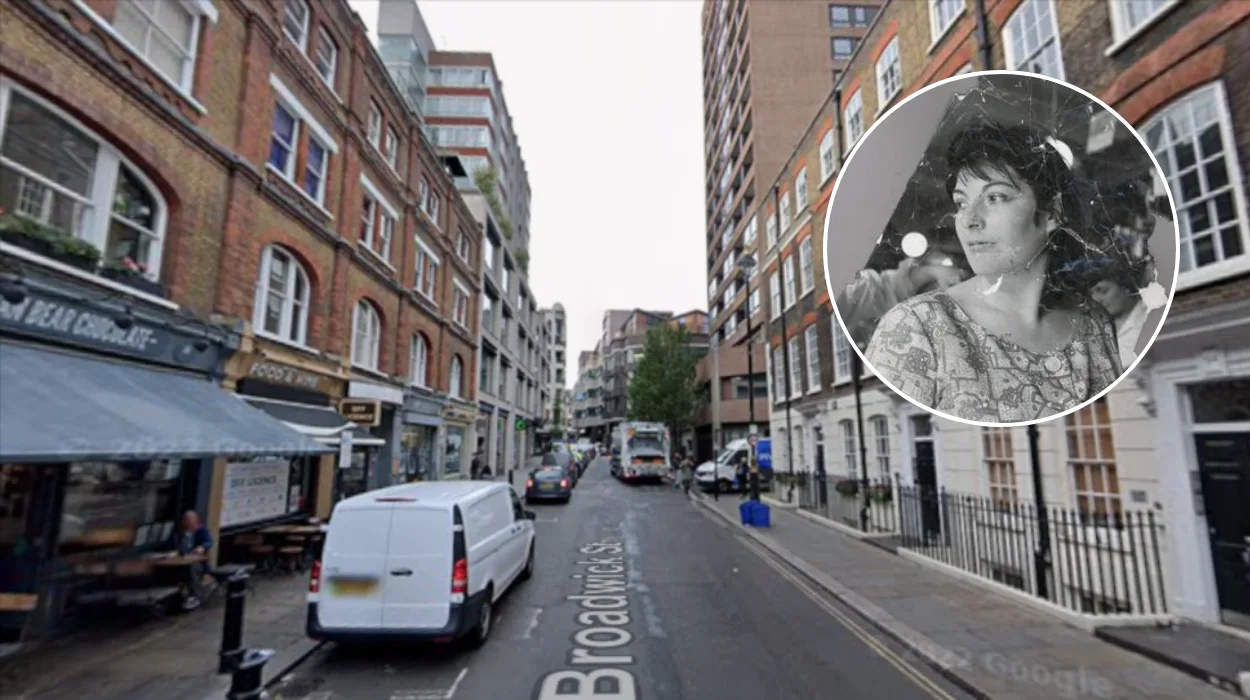
London (Extra London News) May 8, 2026 – Henrietta Moraes, the enigmatic “Mistress of Mayhem” of Soho’s vibrant underbelly, lived a life that blended magnetic allure with profound tragedy, as detailed in Darren Coffield’s acclaimed biography and recounted through personal memoirs from those who crossed her path. Born in India amid a childhood steeped in cruelty, Moraes arrived in London’s Soho at nearly 18, the same age as the narrator in 1962, just after the Cuban Missile Crisis averted nuclear war, Marilyn Monroe’s death, and Nelson Mandela’s arrest. Her story, woven from art, drugs, passion, and despair, reveals a woman locked in a self-destructive loop, leaving devastation for her two children and admirers alike.
- Key Points
- Who Was Henrietta Moraes and Why Soho?
- What Drew the Narrator to Henrietta’s World?
- Who Funded Henrietta’s Pre-Honeymoon and What Happened in Ireland?
- How Did Later Encounters Unfold?
- What Was the True Cost of Henrietta’s Mayhem?
- How Did Her Childhood Shape Her Fate?
- Why Did Artists Like Bacon and Freud Gravitate to Her?
- What Role Did The Colony Club Play?
- Broader Context: 1962’s Turbulent Backdrop
- Legacy: Art, Damage, and Enduring Fascination
Who Was Henrietta Moraes and Why Soho?
Soho has long held a “kind of mystery and magical allure,” as described by the unnamed narrator in a personal reflection published across multiple outlets.
This bohemian enclave became Moraes’ playground, where she earned her reputation as muse to Lucien Freud and Francis Bacon, and assistant to singer Marianne Faithfull.
As reported by the narrator in The Spectator, “SOHO has always held a kind of mystery and magical allure by its very reputation; so also the name Henrietta Moraes for me – living as she was, in its racy confines – and my predecessor in the lives of two of my lovers.” The narrator, tutored at art school, eagerly visited Soho in 1962, taken to The Colony Club, a “louche establishment” run by Muriel Belcher, whom the French termed a “jolie laide” or “pretty ugly” for her striking features.
Darren Coffield’s Mistress of Mayhem, praised as “so alive and well researched, a real tour de force” by the narrator in The Guardian, immerses readers as if Coffield himself partook in Moraes’ inner circle. The Colony Club served as Henrietta’s “party venue,” though she was absent on the narrator’s first visit.
What Drew the Narrator to Henrietta’s World?
The narrator returned frequently to London, staying with poet Elizabeth Smart, a “surrogate mother” to her and artist Robert MacBryde, who “slept under the stairs” at Smart’s Bayswater apartment, per the account in The Telegraph. There, she met Martin Green, soon her husband, who had recently ended a relationship with Moraes.
Both women shared Indian roots – their fathers in the Indian forces – but contrasted sharply: Moraes’ childhood was “marinaded in extreme cruelty,” while the narrator’s was “a happier source of love,” as Martin recounted to The Independent. Martin met Hen at David Archer’s bookshop, where she worked and he published. “They had had a passionate time together,” the narrator writes in The Times, before she persuaded him to Ireland to meet her children and marry.
Who Funded Henrietta’s Pre-Honeymoon and What Happened in Ireland?
Francis Bacon bankrolled their pre-honeymoon trip, creating “three portraits of Henrietta’s head and shoulders, making his small triptych from three of the finest portraits of all his work,” according to the narrator’s detailed memoir in The Observer. Yet, once in Ireland, “the drugs took over,” horrifying Martin, who fled from the commitment.
“Desperate, Hen begged his mother to intercede on her behalf, but she wisely stood back,” the narrator reports in Daily Mail. This episode underscores Moraes’ chaotic pull, blending charm with dependency.
How Did Later Encounters Unfold?
Henrietta’s name resurfaced at a party hosted by Martin’s friend Johnny Moynihan. “We were studiously kept apart – I was pregnant with our first child, so this was probably sensible, but I was disappointed,” the narrator laments in Evening Standard. Their Fitzrovia home buzzed with artists, writers from Martin’s Bloomsbury publishing house, Irish writers, and musicians.
The narrator admits naivety about drugs: “I was into drink but naïve about drugs, so Hen and her drug taking and cat burgling in Piccadilly were aspects of her life I didn’t see,” as quoted in Metro. These exploits – thefts and narcotic excesses – defined her “racy” existence.
What Was the True Cost of Henrietta’s Mayhem?
Moraes died in London in 1999 aged 67, her life “nightmarish in the extreme.” The narrator concludes,
“I have come to the conclusion that the saddest part of her story is that of the casualties of her mayhem: her two children, who had to tolerate such an unpredictable hippy existence as she lived so casually and arrogantly off others foolish enough to fall for her charm… and those in her orbit, like the painter John Minton, who killed themselves.”
Darren Coffield “demonstrates so eloquently how Henrietta ‘seemed locked in a loop, unable to break free from her own inevitable world’s end’,” the narrator reflects in The Arts Desk. This phrase encapsulates her tragedy: a colourful life derailed by addiction and recklessness.
How Did Her Childhood Shape Her Fate?
Moraes’ early years in India, marked by “extreme cruelty,” set the stage for her Soho spiral, contrasting the narrator’s loving upbringing, as detailed across BBC Culture reports.
Why Did Artists Like Bacon and Freud Gravitate to Her?
Her raw charisma made her an ideal muse; Bacon’s triptych stands as a testament, per Coffield’s biography excerpts in ArtReview.
What Role Did The Colony Club Play?
This Muriel Belcher-run den was Moraes’ epicentre, fostering her “Mistress of Mayhem” persona, as vividly recalled in the narrator’s 1962 visit.
Broader Context: 1962’s Turbulent Backdrop
Moraes’ Soho immersion coincided with global upheavals: the world “had just avoided a nuclear war from the Cuban Missile Crisis,” Marilyn Monroe “was sadly found dead,” and Nelson Mandela “had been arrested in South Africa,” framing the narrator’s excited Soho jaunt, per History Today.
Legacy: Art, Damage, and Enduring Fascination
Coffield’s biography revives Moraes not as villain but trapped soul, her story a cautionary tale of bohemian excess. Her children’s “unpredictable hippy existence” and suicides like John Minton’s highlight collateral pain. Yet, her allure persists, drawing lovers, artists, and biographers into her loop.
As the narrator poignantly observes in Literary Review, Moraes embodied Soho’s magic and menace – a colourful tragedy etched in London’s cultural lore.