Key Points
- Zoe Garbett, the Green Party’s candidate for mayor of Hackney, has admitted using drugs in the past.
- She told the Standard she now supports the legal control and regulation of drugs.
- Ms Garbett helped shape the Green Party’s drugs policy, which would move drugs into the hands of health professionals under a heavily regulated system.
- The Green Party proposes that cannabis and MDMA could be supplied through local authorities at licensed premises for adults over 18.
- Under the same plan, harder drugs such as cocaine and heroin could be accessed via specialist pharmacies with a prescription.
- The policy aims to end criminal sanctions for users and disrupt the criminal supply chain, while dealers would still face prosecution.
- Any such system would require approval from MPs in Parliament and could not be introduced by local councils alone.
- Ms Garbett said she would lobby for overdose prevention sites and better-linked health services in Hackney.
- She said most drug users do not use substances problematically, and those who do often need mental health, housing, or youth support.
- London’s first drug testing facility for users and addicts opened in Hackney last month amid concerns about synthetic opioids.
- Recent research from King’s College London found a growing synthetic opioid problem in the UK, with more drugs in London laced with nitazenes.
- Hackney has one of the highest rates of drug poisoning deaths in London.
- Figures released in October last year showed 21 drug misuse-related deaths in Hackney in 2024.
- Drug-related deaths in Hackney have risen from 15 in 2013.
- The rate of drug poisoning deaths in London has doubled since 2012, from 46.5 deaths per million to 93.9 deaths per million in 2024.
- Hackney Council estimates that just over 4,000 residents are frequent drug users, around 6.4% of the local population, above the London average of 5.6%.
London (Extra London News) May 6, 2026 – Zoe Garbett, the Green Party’s candidate for mayor of Hackney, has admitted using drugs in the past as she set out a hardline reform pitch aimed at changing how London deals with illicit substances.
- Key Points
- What did Zoe Garbett say about drug use?
- What is the Green Party’s drugs policy?
- Why is Hackney at the centre of this debate?
- What is happening with drug deaths in Hackney?
- Why are synthetic opioids causing alarm?
- What does Garbett’s NHS background add to her campaign?
- Could the Green plan be implemented soon?
- How does this fit into London politics?
- What are the main political stakes for Garbett?
- What happens next?
As reported by the Standard, Ms Garbett said:
“I’ve used drugs in the past, and that’s why I’ve campaigned for them to be legally controlled and regulated.”
Her comments came in an interview published ahead of the local elections on May 7, during which she defended the Green Party’s position that drug policy should shift away from punishment and towards a health-led system.
What did Zoe Garbett say about drug use?
As reported by the Standard, Ms Garbett directly acknowledged her own past drug use while explaining the basis for her campaigning. She said her experience had shaped her belief that drugs should be controlled and regulated rather than left in the illegal market.
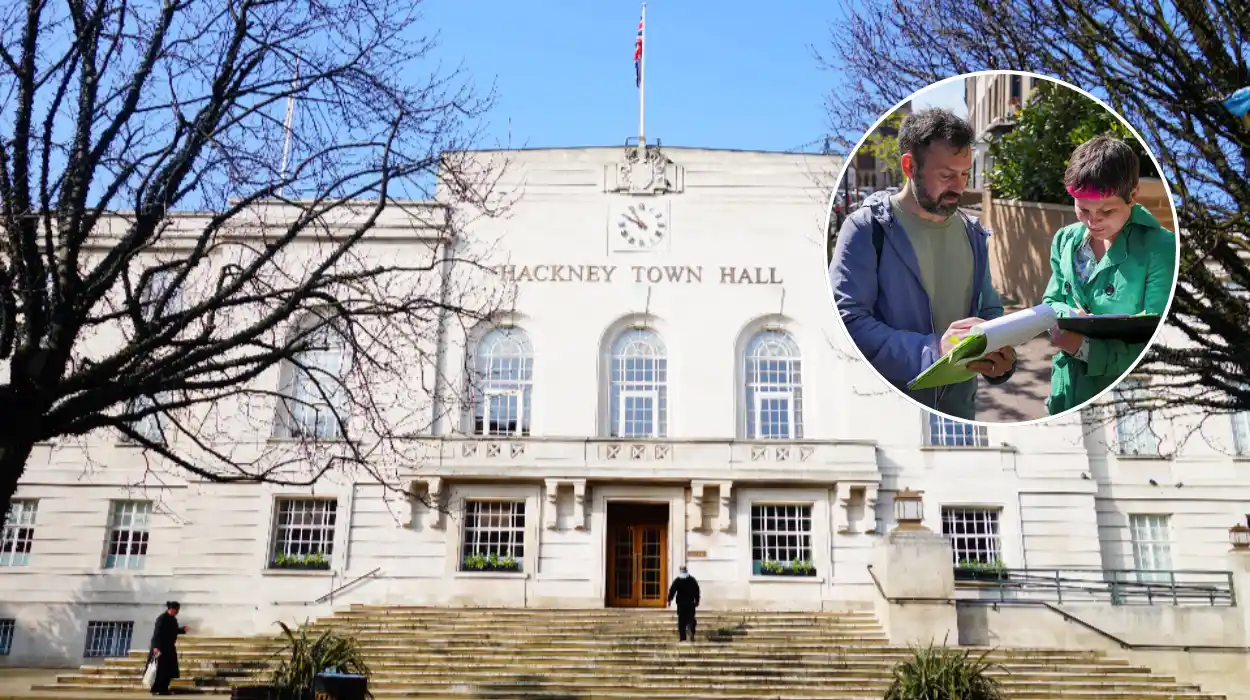
Sitting beside her 19-year-old deputy, Dylan Law, she added,
“Currently, people can access drugs. It takes people 10, 20 minutes to find drugs in any city. Drug dealers don’t ID people. Our policy is all about how you regulate it.”
Her remarks were presented as part of a broader argument that the current illegal drugs market is already readily available, but without safeguards, age checks, or health oversight.
What is the Green Party’s drugs policy?
As reported by the Standard, Ms Garbett helped craft the Green Party’s drugs policy, which calls for drugs to be moved “into the hands of health professionals” under a “heavily regulated” system.
Under the proposals, cannabis and MDMA would be available to adults over 18 through local authorities at licensed premises. Harder drugs such as cocaine and heroin could be accessed through specialist pharmacies with a prescription.
The aim, according to the policy described in the report, is to remove criminal sanctions for users and to stop the criminal supply chain. Dealers who illegally sell and supply drugs would still face prosecution.
The plan would not be something Hackney Council could implement on its own. It would require approval by MPs in Parliament before becoming law.
Why is Hackney at the centre of this debate?
Hackney has become a focal point in the wider discussion about drug harm in London because of its high levels of drug-related deaths and its large number of frequent users.
As reported by the Standard, Ms Garbett said she would lobby for overdose prevention sites and better joined-up health services in the borough. She also argued that most people who use drugs “don’t do so problematically” and that those who do often need wider support, including mental health care, housing help and youth services.
Her comments tie into a borough-level crisis that local leaders and health campaigners have been warning about for some time.
What is happening with drug deaths in Hackney?
Hackney has one of the highest rates of drug poisoning deaths in London, according to figures referenced in the report.
The Standard reported that figures released in October last year showed 21 deaths related to misuse in 2024 alone. That number was up from 15 in 2013, showing a sustained rise over the last decade.
The wider London picture is also concerning. The rate of drug-poisoning deaths in the capital has doubled since 2012, increasing from 46.5 deaths per million to 93.9 deaths per million in 2024.
Hackney Council estimates that just over 4,000 residents are frequent drug users, representing about 6.4% of the local population. That is above the London average of 5.6%.
Why are synthetic opioids causing alarm?
The report also highlighted growing fears about synthetic opioids, especially nitazenes, which are extremely potent and difficult to detect.
As reported by the Standard, London’s first drug testing facility for users and addicts opened in Hackney last month. The facility allows people to submit “substances of concern” to chemists and health professionals for rapid, free testing before they are taken, while also gathering data on potentially dangerous or misadvertised drugs.
Mr Law said drug users are often unaware of what is actually inside substances bought illegally, underlining the risk created by an unregulated market.
Recent research from King’s College London found that the UK has a growing synthetic opioid problem, with an increasing number of drugs in the capital laced with nitazenes, a group of opioids described in the report as 500 times stronger than heroin.
What does Garbett’s NHS background add to her campaign?
Ms Garbett said her experience in the NHS made her more aware of what she described as injustices in Hackney, including people dying from overdoses.
That background appears central to her political argument: rather than treating drug use solely as a criminal matter, she is framing it as a public health issue tied to deprivation, support services and medical intervention.
Her stance places her among a wider set of reform advocates who argue that regulation, treatment and harm reduction can reduce deaths more effectively than prohibition.
Could the Green plan be implemented soon?
Not immediately. As the report makes clear, the Green Party’s proposals would need national approval.
Although local councils can support harm-reduction measures such as lobbying for overdose prevention sites or better health links, the broader legal changes around regulated drug access would require MPs in Parliament to sign off on them.
That means Ms Garbett’s campaign is, at least for now, a political argument and a policy offer rather than an imminent local government change.
How does this fit into London politics?
Ms Garbett’s remarks come against the backdrop of a wider debate in London over drug policy, public safety and public health.
Supporters of tougher regulation say the illegal market fuels overdose deaths, criminal exploitation and unsafe drug supply. Critics of reform often argue that loosening controls risks normalising harmful use and creating new public health challenges.
What makes Hackney notable is that the borough sits directly at the crossroads of that debate: high death rates, a large user population, growing concern about synthetic opioids and a new drug testing service all point to an urgent local problem.
What are the main political stakes for Garbett?
For Ms Garbett, the issue is not just one of drug policy but of leadership and credibility.
By admitting past drug use, she has placed herself inside a politically sensitive conversation, but she has done so in a way that attempts to connect personal experience with public policy. Her message is that the current system is already failing, and that regulation, health support and prevention may offer a better response.
Whether voters see that as honest and pragmatic, or as too radical, may shape how her candidacy is received in Hackney.
What happens next?
The immediate next step is the local election cycle, with the Standard noting that Ms Garbett’s comments came ahead of the May 7 polls. Beyond that, the debate over drug regulation will continue in London, especially as boroughs grapple with overdose deaths, synthetic opioids and the limits of existing enforcement.
For now, Hackney remains one of the clearest examples of the pressures facing London councils and health services as they try to respond to a drugs problem that is both criminal and medical in nature.