Key Points
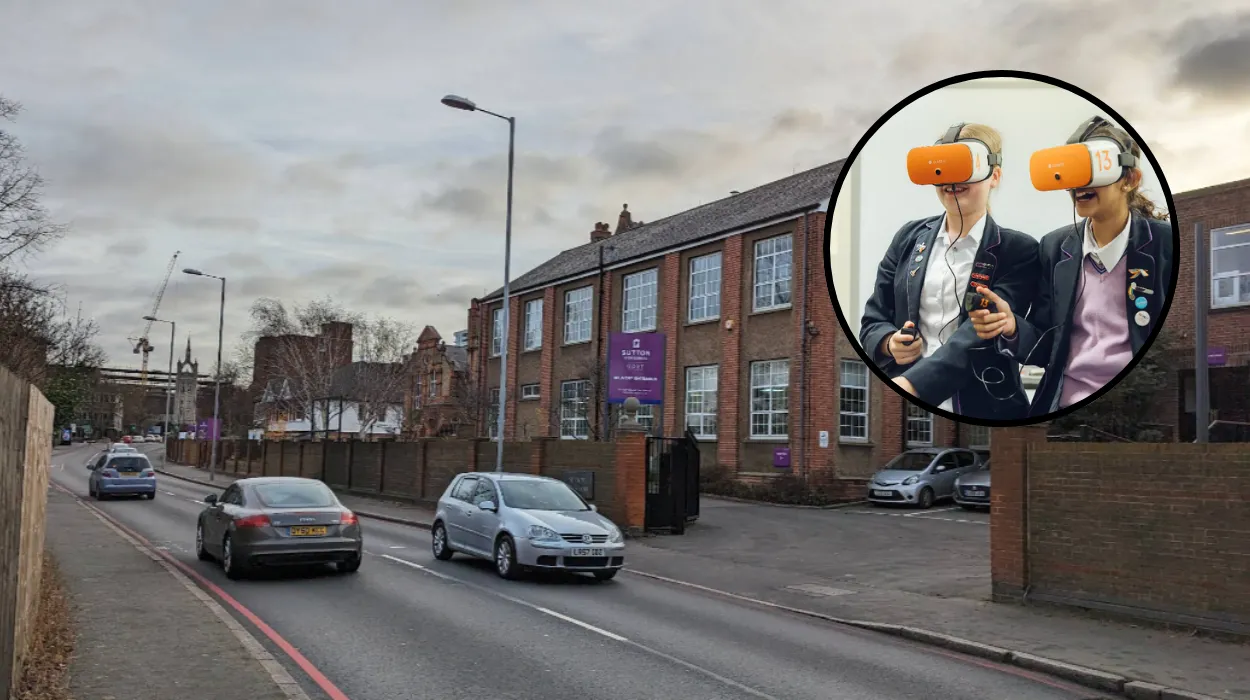
- All 15 secondary schools in the London borough of Sutton are participating in a pilot programme using VR headsets from Phase Space, in collaboration with the local NHS mental health trust.
- The seven-minute Phase Space VR programme helps pupils manage anxiety from exams, ADHD, and home troubles, allowing use during scheduled times or when feeling overwhelmed in class.
- Students report immediate relaxation, regained confidence, and better ability to return to lessons after brief VR immersion.
- Zillah Watson, co-founder of Phase Space and former BBC VR head, states the technology targets “overwhelmed and anxious students.”
- Ark Academy in north London also uses the headsets, mainly in mornings for pupils unsettled by routine changes, home issues, or friendship problems.
- Aelisha Needham, vice-principal for ethics at Ark Academy, notes reduced removals from lessons, greater calmness, and improved self-control, focus, and instruction processing.
- Nine out of ten students in initial ten schools saw immediate stress reduction, with benefits to attendance, behaviour, and exam anxiety.
- A pupil at Ark Academy said VR boosted her confidence: “Exams used to terrify me, but they don’t frighten me as much anymore… It helped me process my feelings.”
- The programme is explored with the Child and Adolescent Mental Health Services (Camhs) education wellbeing team at South London and Maudsley NHS Foundation Trust.
- Amid Camhs strain, VR offers a cost-effective school-based stress support option.
London (Extra London News) May 4, 2026 – Secondary schools in the London borough of Sutton have launched a pioneering trial using virtual reality (VR) headsets to help pupils combat stress from exams, ADHD, and home difficulties, in partnership with the local NHS mental health trust. All 15 schools are deploying Phase Space VR technology, allowing students to take seven-minute sessions during scheduled slots or when anxiety strikes in class. Early feedback indicates immediate calming effects, enabling pupils to regain composure and resume learning.
- Key Points
- What Is the Phase Space VR Programme?
- Which Schools Are Involved in the Trial?
- How Does VR Help at Ark Academy?
- Who Developed the VR Technology?
- What Benefits Have Pupils Reported?
- Why Is This Trial Happening Now?
- How Does This Fit Broader VR Mental Health Trends?
- What Challenges Might VR Face in Schools?
- What Do Experts Say About VR for Youth Stress?
What Is the Phase Space VR Programme?
The Phase Space VR programme features immersive experiences designed for quick stress relief, lasting just seven minutes per session. Pupils don headsets to escape overwhelming feelings, reporting it helps them “ground themselves” before returning to lessons.
As reported in The Guardian, Zillah Watson, co-founder of Phase Space and a former head of VR at the BBC, stated that the technology is specifically designed to assist “overwhelmed and anxious students.” Watson, who is also a visiting professor at University College London, highlighted that nine out of ten students in the first ten schools experienced an immediate drop in stress levels.
The programme has led to broader gains, including better attendance, improved behaviour, and reduced exam-related anxiety, according to trial data shared with the education wellbeing team from Child and Adolescent Mental Health Services (Camhs) at South London and Maudsley NHS Foundation Trust.
Which Schools Are Involved in the Trial?
The pilot encompasses all 15 secondary schools across Sutton, marking a comprehensive rollout in the borough. This collaboration with the NHS trust aims to integrate VR as a frontline tool against pupil mental health pressures.
Ark Academy, a secondary school in north London, has independently adopted the headsets, expanding the technology’s reach beyond Sutton. As reported by Aelisha Needham, vice-principal for ethics at Ark Academy, in The Guardian,
“We mainly utilise it in the mornings. Some students feel quite unsettled at this time, especially when there are alterations to their usual routines, such as a substitute teacher, or if they’ve experienced distress from home issues, missed breakfast, or are dealing with friendship conflicts or undone homework.”
Needham added that pupils now request sessions proactively rather than wandering the school when distressed, showing empowerment through the tool.
How Does VR Help at Ark Academy?
Younger pupils at Ark particularly benefit, with the programme “clearing their mind” to sustain focus and extend attention spans. Needham remarked,
“They have reported enhanced self-control and a better ability to process instructions because they feel much calmer and more liberated mentally compared to before.”
Instances of lesson removals due to unsettlement have declined noticeably.
One Ark pupil shared her experience:
“Using the headset has enhanced her confidence. Exams used to terrify me, but they don’t frighten me as much anymore. It was the most daunting experience ever. Whenever I felt that way, I would use the headset, and it helped me process my feelings about it.”
Who Developed the VR Technology?
Phase Space, the tech firm behind the headsets, combines immersive design with evidence-based therapy. Zillah Watson co-founded the company in March 2023, drawing on her BBC VR expertise and partnerships across creative, tech, and medical sectors.
LinkedIn profile details confirm Watson as CEO, focusing Phase Space on VR for “positive mental health,” with effects that “supercharge stress and anxiety relief in minutes.” The firm positions itself to reach youth early, before crises escalate.
What Benefits Have Pupils Reported?
Pupils describe VR as a rapid reset, fostering relaxation and confidence to re-engage academically. The brevity suits school settings, avoiding long disruptions.
In Sutton, the technology addresses multifaceted stressors like ADHD and home troubles, with students immersing briefly to calm nerves. Ark’s use in mornings targets peak vulnerability times, yielding calmer demeanours and fewer disruptions.
Why Is This Trial Happening Now?
Camhs services face immense strain across England, prompting schools to seek scalable solutions. Needham suggested VR as
“a cost-effective and efficient approach for schools to support students experiencing stress.”
The Sutton trial, partnered with South London and Maudsley, tests VR’s potential amid rising youth mental health demands. This aligns with broader UK efforts, as Phase Space expands from university pilots to schools.
How Does This Fit Broader VR Mental Health Trends?
Related initiatives echo the trial’s promise. St George’s University of London previously trialled VR for student anxiety reduction, with Dr Aileen O’Brien, trial lead and Reader in Psychiatry, stating:
“The mental health of students has never been more of a concern. We have received incredibly positive feedback from students.”
A 2024 study in JMIR found VR environments reduced momentary stress in adolescents, strengthening with repeated use. Researchers noted brief sessions sufficed, mirroring Phase Space’s model.
Carnegie Mellon work explores VR/AR for everyday stressors like public speaking, with users preferring portable practice. A King’s College London seminar by Watson discussed scaling VR “out of the lab, into the world.”
Chinese coverage in Sina Finance corroborated the Sutton details, noting VR for exam pressure and learning difficulties.
What Challenges Might VR Face in Schools?
While promising, scalability, headset access, and training remain unaddressed in reports. Camhs integration could strain resources if demand surges.
Privacy in VR data and long-term efficacy need monitoring, though initial metrics are positive. Phase Space’s evidence-based approach mitigates some risks.
What Do Experts Say About VR for Youth Stress?
Watson emphasises early intervention: Phase Space aids when pupils first need support. Needham highlights practical gains in behaviour and focus.
Studies support this; a PubMed protocol for UniVRse VR-CBT targets student social anxiety, aiming for accessible delivery. Older research affirms 360-degree VR for stress relief in public settings.
If successful, VR could become standard, easing Camhs burdens. Sutton’s full-borough trial sets a precedent, potentially nationwide.
Ark’s success suggests adaptability across London. With Phase Space’s growth, UK education may embrace immersive tech routinely.