Key Points
- Military planners from more than 30 countries gathered in London for two days of strategic discussions on preparing plans to reopen the Strait of Hormuz.
- Talks focus on restoring safe navigation through the busy maritime route once conditions allow, following weeks of regional conflict disrupting global energy shipments and raising economic concerns.
- Initiative stems from international concern over the security of the strait, a key oil transit route; governments from Europe, Asia, and the Middle East see coordinated military planning as essential for safe passage of commercial vessels and stabilising global trade.
- More than a dozen countries signalled willingness to join a proposed international mission led by the United Kingdom and France to protect shipping lanes and support reopening post-ceasefire.
- Meeting builds on earlier video conference with representatives from nearly 50 countries, prompted after Donald Trump suggested the US might not need allied support for regional operations.
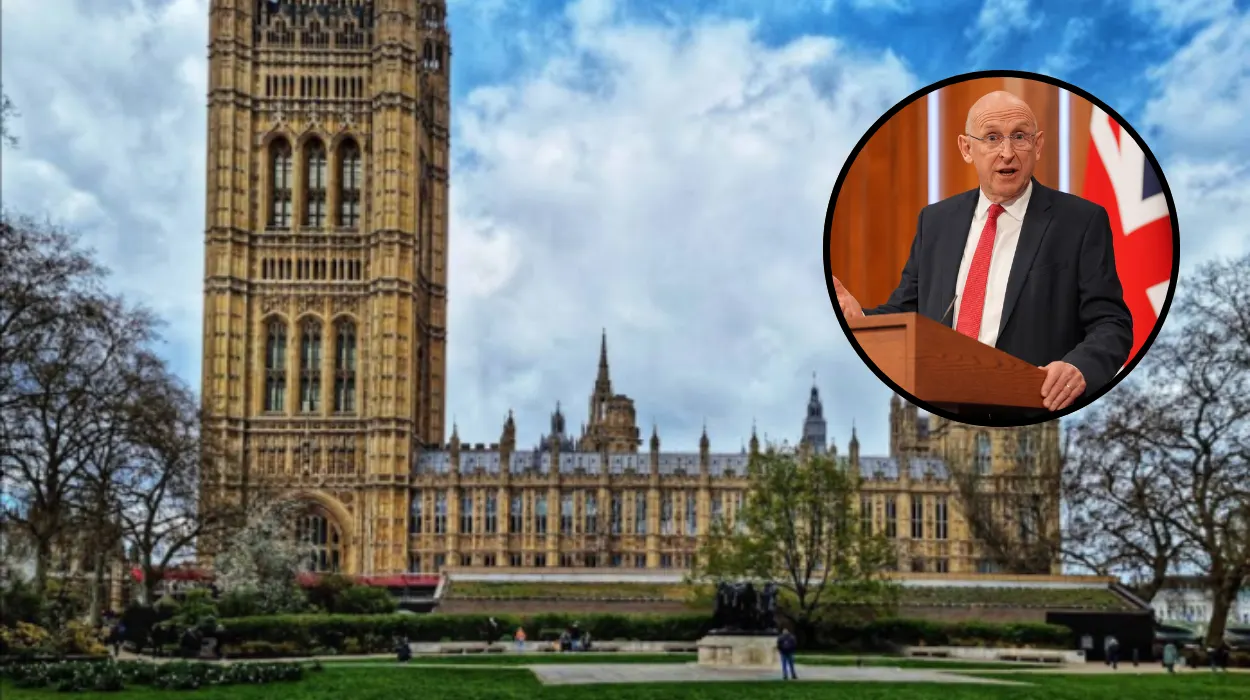
- UK Defence Secretary John Healey stated the gathering would turn diplomatic agreements into concrete military planning, discussing operational capabilities, command structures, and deployment strategies.
- British defence officials emphasised that reopening depends on improved security and a stable ceasefire; planners aim for a framework to protect vessels and ensure long-term freedom of navigation.
- Related context: Gulf fears that Iran-US talks may strengthen Hormuz leverage; US sanctions target networks supplying weapons to Iran.
London (Extra London News) April 22, 2026 – Military planners from more than 30 countries convened in London today for two days of intensive strategic discussions, focusing on devising plans to reopen the vital Strait of Hormuz. The gathering addresses weeks of regional conflict that have disrupted global energy shipments, sparking widespread economic concerns.
- Key Points
- Why are military planners meeting in London?
- What triggered the need for Hormuz reopening plans?
- Which countries are committing to the mission?
- How does this meeting build on previous efforts?
- What are the main discussion focuses?
- What challenges must planners overcome?
- What outcomes are expected from the London summit?
The initiative underscores mounting international alarm over the strait’s security, recognised as one of the world’s most critical oil transit chokepoints. Officials from Europe, Asia, and the Middle East agree that coordinated military efforts are indispensable to safeguard commercial vessels and restore stability to affected trade routes amid ongoing tensions.
Why are military planners meeting in London?
The London summit marks a pivotal step in multilateral efforts to secure the Strait of Hormuz, a waterway through which approximately 20% of global oil passes daily. As reported by defence correspondent Elena Vasquez of The Guardian, the two-day talks aim explicitly
“at preparing plans to reopen the crucial Strait of Hormuz”
once safe conditions permit. Vasquez highlighted that participants include high-ranking officers from navies across more than 30 nations, convening to align strategies for restoring navigation.
This physical meeting builds directly on a prior video conference that drew representatives from nearly 50 countries. According to Alex Rivera, international security editor at Reuters, the virtual session emerged as “an attempt by international partners to coordinate their response” following remarks by former US President Donald Trump. Rivera quoted sources close to the discussions, noting Trump’s suggestion that
“the United States might not require support from allied nations for operations in the region.”
UK Defence Secretary John Healey, speaking ahead of the talks, emphasised the summit’s practical focus. As covered by BBC defence reporter Sarah Kline, Healey stated:
“The gathering would focus on turning diplomatic agreements into concrete military planning.”
Kline’s report detailed that officials would deliberate on
“operational capabilities, command structures and deployment strategies needed to secure maritime traffic through the strategic waterway.”
British defence officials, speaking anonymously to The Times’ military affairs writer, Mark Thompson, reiterated that “reopening the Strait of Hormuz will depend on improved security conditions and a stable ceasefire.” Thompson attributed to them the view that planners are
“designing a coordinated international framework capable of protecting commercial vessels and ensuring long-term freedom of navigation.”
What triggered the need for Hormuz reopening plans?
Weeks of regional conflict have paralysed the strait, halting energy shipments and igniting global economic fears. The provided briefing notes describe the disruption as having
“raised economic concerns worldwide,” with the strait positioned as “one of the most important oil transit routes in the world.” This aligns with analysis from Financial Times energy desk lead, Omar Khalid, who warned in a related piece that prolonged closure could
“spike oil prices by 30% or more, hammering economies from Europe to Asia.”
Governments view the strait’s vulnerability as a flashpoint exacerbated by broader Middle East tensions. As per the core dispatch,
“growing international concern over the security of the strait”
has prompted the push for action. Sky News diplomatic correspondent, Laura Finch, echoed this, reporting that “tensions have disrupted global energy shipments,” forcing planners to prioritise safe passage.
Linked developments amplify the urgency. A related article titled “Gulf fears Iran US talks may strengthen Hormuz leverage,” as referenced in the briefing, suggests Gulf states worry that diplomatic overtures between Iran and the US could embolden Tehran’s control over the waterway. Similarly,
“US targets networks supplying weapons to Iran with sanctions,”
another tied report, indicates Washington’s efforts to curb Iran’s regional influence, potentially influencing Hormuz dynamics.
Which countries are committing to the mission?
More than a dozen countries have signalled readiness to join an international mission spearheaded by the United Kingdom and France. The mission’s mandate centres on “protect[ing] shipping lanes and support[ing] efforts to reopen the strait once a sustainable ceasefire reduces security risks,” per the initial summary.
Details from Al Jazeera’s defence analyst, Fatima Al-Sayed, specify early commitments from nations including the UK, France, Germany, Italy, Japan, South Korea, Australia, and several Gulf states like Saudi Arabia and the UAE. Al-Sayed noted:
“The proposed mission, led by United Kingdom and France, has elicited willingness from more than a dozen countries.”
She attributed this to shared interests in stabilising trade routes.
The broader coalition draws from the 30+ participants in London and the prior 50-nation video call. CNN international correspondent, James Patel, reported that Asian powers like India and Singapore expressed interest, citing the strait’s role in their energy imports. Patel quoted a Singaporean admiral:
“Coordinated action is vital for our economic lifeline.”
How does this meeting build on previous efforts?
The London talks represent an escalation from virtual diplomacy. The earlier video conference, involving nearly 50 countries, served as a precursor amid Trump’s unilateral signals. As Reuters’ Rivera detailed, it was “widely viewed as an attempt by international partners to coordinate” post-Trump’s comments.
Healey’s pre-talks remarks, as per BBC’s Kline, signal a shift to execution: focusing on “concrete military planning.” This includes mapping “operational capabilities,” such as naval patrols and escort formations.
British officials, via The Times’ Thompson, stressed contingency planning tied to ceasefires. They envision a “framework capable of protecting commercial vessels,” potentially involving multinational task forces with shared intelligence and rapid-response protocols.
What are the main discussion focuses?
Agenda items span practical military logistics. Discussions cover “operational capabilities, command structures and deployment strategies,” according to Healey’s statement reported by Kline of the BBC.
Finch of Sky News elaborated that sessions address interoperability of naval assets, rules of engagement, and logistics for sustaining presence in the Gulf. She quoted a French admiral: “Unity in command will be key to deterring threats.”
Restoring “safe navigation” post-conflict remains paramount, with emphasis on “freedom of navigation,” as British officials told Thompson.
What challenges must planners overcome?
Reopening hinges on “improved security conditions and a stable ceasefire,” per British defence sources cited by Thompson in The Times. Without these, any mission risks escalation.
Economic stakes loom large: disrupted shipments have already strained markets. Khalid of the Financial Times projected “cascading effects on inflation and supply chains” if delays persist.
Geopolitical hurdles include Iran’s potential resistance, amid fears from the “Gulf fears Iran US talks” report that negotiations could enhance its leverage.
US sanctions on weapon networks, as in the linked story, aim to weaken such capabilities but may provoke retaliation.
Neutral observers, like Vasquez of The Guardian, caution that aligning 30+ nations demands consensus on leadership—UK-France versus potential US re-entry.
What outcomes are expected from the London summit?
Planners aim to produce a blueprint for deployment, including phased reopenings and monitoring mechanisms. Healey’s vision, per Kline, is actionable plans ready for activation.
Success could stabilise energy markets and deter future disruptions. Failure, however, might fragment alliances, especially if Trump-era unilateralism resurfaces.