Key Points
- Westminster City Council has sent an official letter to the government and TfL requesting for a full environmental impact assessment.
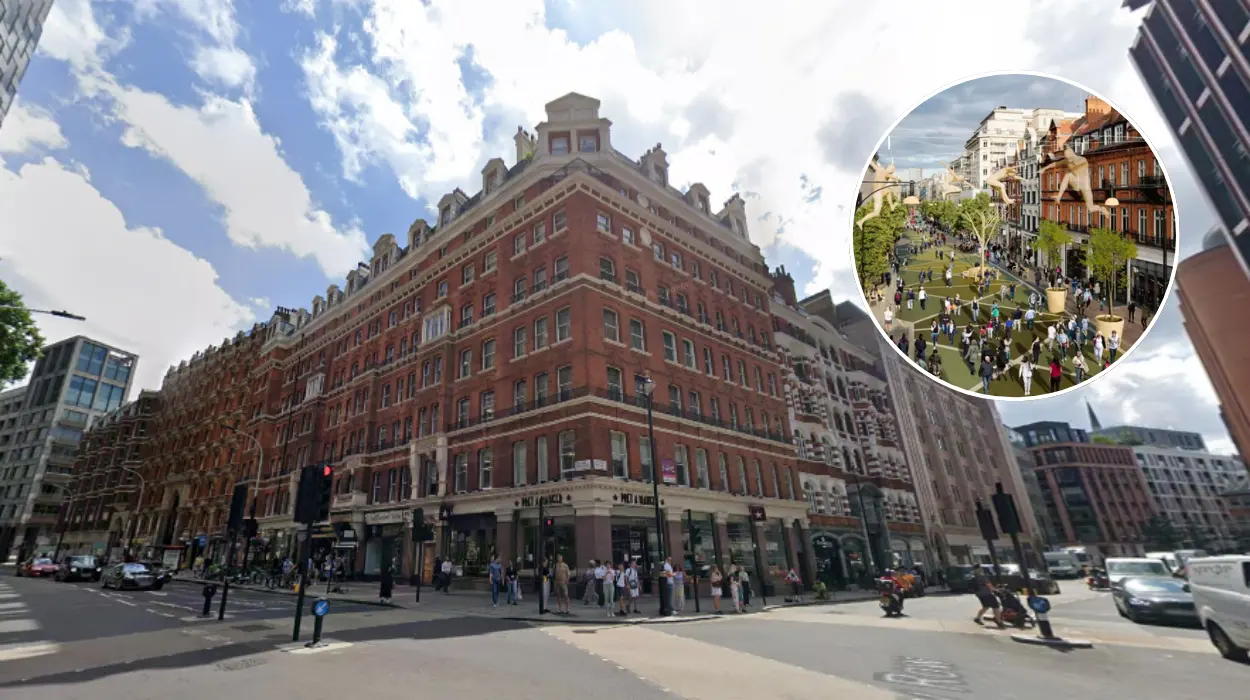
- The request follows London Mayor Sir Sadiq Khan’s ambitious plans of pedestrianizing the iconic shopping thoroughfare from Orchard Street to Great Portland Street.
- The central London borough that was recently restored back into Conservative control after local elections has strongly raised concerns that the project will be fast tracked without conducting necessary development assessments.
- It is feared that the proposed changes have the potential of resulting in gridlocks, traffic displacement, poor air quality, and noise pollution in neighboring communities.
- Transport for London (TfL) noted that they were waiting for a decision from the government on whether or not to conduct a full environmental impact assessment.
London ((Extra London News) August 29, 2026 — Westminster City Council has taken decisive action over the contentious regeneration of the capital’s premier retail hub, writing formally to government authorities to demand comprehensive evaluations before sweeping traffic alterations take place. The central London authority, which transitioned back under Conservative governance following May’s local elections, is pressing for an exhaustive study examining how noise, traffic flows, and air pollution in adjacent residential and commercial zones will be affected by the upcoming transformation. Under the proposals pushed forward by the Mayor of London, the flagship shopping corridor stretching from Orchard Street to Great Portland Street is scheduled to be closed off to regular vehicles and traffic. Meanwhile, transport regulators have indicated that they are currently looking to the government to determine the official necessity of a full environmental review.
Why is Westminster City Council demanding an assessment now?
The central London borough has raised persistent concerns that the high-profile regeneration scheme is being hurried through without adequate preliminary evaluations typically reserved for major urban developments. According to local leadership, the push by City Hall ignores the wider consequences that displacing heavy traffic will impose on neighbouring districts.
As reported by Westminster City Council in their official municipal announcement, Cllr Tim Barnes, Deputy Leader of Westminster City Council, stated that:
“Our position on pedestrianisation is simple, if you must to do it, get it right. A needlessly rushed scheme will be a disaster for residents and worse for business.”
Cllr Barnes further criticised the broader regional implications of the project, adding:
“This scheme will have an impact way beyond Oxford Street affecting bus routes and traffic flow right across the capital. The Mayor has important questions to answer about managing traffic, noise, impact on air quality or how to clean the roads. The consequences of getting this wrong are potentially terrible for central London.”
Furthermore, the local authority warned that proceeding without a proper framework for waste management, public safety, and air pollution mitigation risks severe damage to the local economy rather than fostering growth. Cllr Barnes warned:
“London deserves a world class shopping district at its centre and instead we’re headed for an unmanaged mess with noisy, gridlocked roads, poor air quality and waste in the streets. Why won’t the Mayor work with the council to make his scheme a long-term success?”
What steps are Transport for London and the government taking?
Transport for London, acting on behalf of the Mayor of London, has reportedly sought permission from the Ministry of Housing, Communities and Local Government (MHCLG) to forego the requirement for a traditional, full environmental impact assessment. This move has heavily intensified friction between local municipal leaders and regional transit authorities.
Westminster representatives have asserted that bypassing these traditional assessment milestones amounts to cutting critical corners on public safety and urban planning. Cllr Barnes stated:
“The Mayor is trying to cut corners when it comes to ensuring this plan is safe for Londoners. That’s cheating them of the reassurances they are entitled to and the Government should not let him get away with it.”
In response to the mounting pressure from the local authority, a spokesperson for Transport for London maintained that the organization is adhering closely to statutory procedures, noting that TfL is currently waiting for central government bodies to formally determine whether a comprehensive environmental impact study is legally mandatory for the scheme to progress.
Explore more Westminster News:
Mourning Pope Francis at Westminster Cathedral in London 2026
School AstroTurf Pitch Planned for Central London Queen’s Park 2026
How has the political landscape shaped the Oxford Street dispute?
The friction over Oxford Street’s future has long remained a focal point of capital politics, intersecting with changing council majorities and mayoral ambitions. Proponents of the pedestrianisation initiative, including Mayor Sir Sadiq Khan, have consistently argued that removing vehicles from the nation’s busiest shopping street is essential for boosting local economic growth, creating a modern retail environment, and attracting international visitors.
However, the political control of Westminster City Council has deeply influenced the local response. Following the Conservative party’s return to power, local leaders have ramped up scrutiny over how changes are implemented. Earlier disputes involved local complaints regarding transit orders altering bus stops and routes across dozens of surrounding streets. At the time, council leadership criticized those specific notices as being rushed through quietly in the immediate aftermath of municipal elections.
With the debate now centering on the necessity of a rigorous environmental impact review, the central government faces mounting pressure to arbitrate between the mayor’s strategic vision for regional transit and the local authority’s demands for neighbourhood protection and thorough consultative checks. As stakeholders await a definitive ruling from the Ministry of Housing, Communities and Local Government, the ultimate timeline and execution framework for transforming the iconic shopping stretch remain under intense public and political scrutiny.