Key Points
- Structural Deterioration: Residents at 31–49 Hanger View Way in West Acton, Ealing, report worsening subsidence issues, including structural cracks, dislodged brickwork, shifting walls, and a front door falling out of its frame.
- Safety Concerns: Occupants express acute fear that the building could collapse, with one tenant suffering an injury when his front door detached and landed on his head.
- Long-Standing Grievances: Residents state that concerns regarding potential ground subsidence were first reported to the housing association as far back as 2002, with significant escalation noticed from 2022 onwards.
- Disputed Root Causes: Occupants believe shallow foundations and sub-surface voids are responsible, whereas housing association Peabody maintains the structure is safe and attribute the root cause to nearby tree roots.
- Local Authority Response: Ealing Council has stated the situation falls outside its direct jurisdiction, advising tenants to escalate unresolved grievances to the Housing Ombudsman.
Extra London News (ELN) October 21, 2026 – Homeowners and tenants residing at a residential housing block in West London say they are living in continuous terror that their homes might collapse following decades of unaddressed ground subsidence, visible structural cracking, and dislodged masonry.
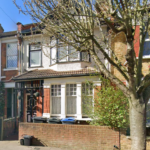
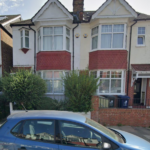
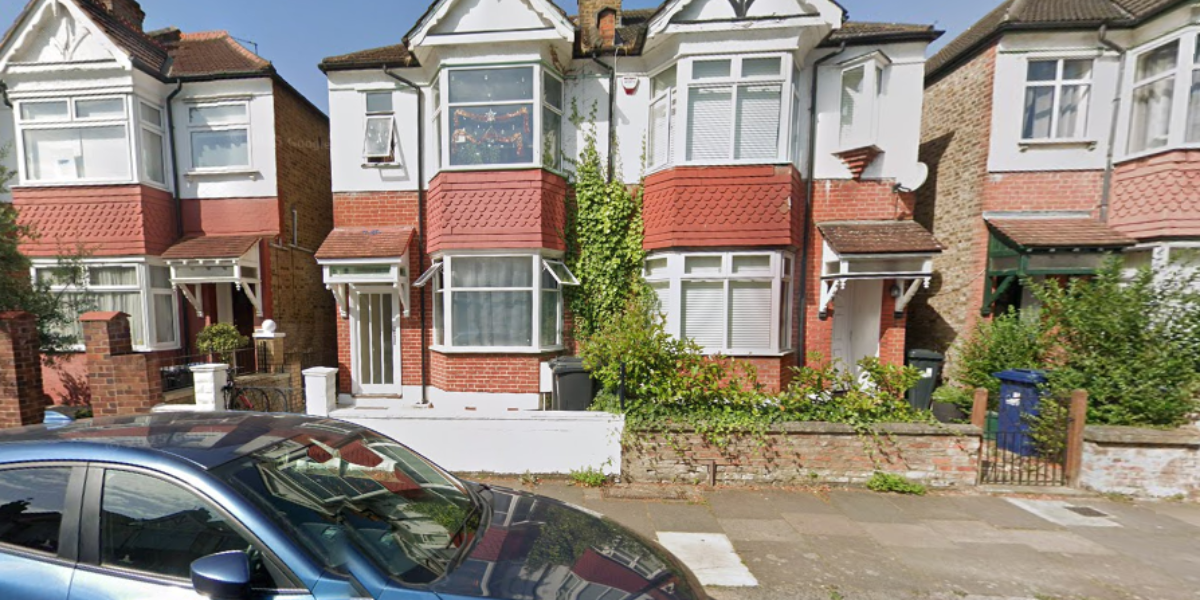
As reported by Philip James Lynch, Local Democracy Reporter for MyLondon, and Patrick Daly of The Standard, occupants at 31–49 Hanger View Way in West Acton, Ealing, have voiced severe safety concerns after experiencing years of physical degradation inside and outside their properties. The mixed-tenure block, which is managed by the social housing association Peabody, houses both social housing tenants and leasehold homeowners.
As detailed in the report by Philip James Lynch of MyLondon, residents initially raised formal warnings regarding potential subsidence with the housing provider in 2002. However, the deterioration escalated dramatically in 2022, with deep structural fissures developing across internal walls, dislodged bricks appearing on external facades, and the entire structure showing visible signs of shifting.
As reported by Patrick Daly and Philip James Lynch of The Standard, ground-floor resident Cameron Kermani stated that he was never warned of existing subsidence issues when he moved into his flat in 2020 following 30 years in council accommodation. Recounting a recent incident, Mr Kermani stated: “I [tried] to open the door, five in the morning, the door completely came to my head from the frame, and I was so lucky the glass didn’t break.”
Mr Kermani further explained that large cracks run continuously throughout his flat. He noted that his anxiety over a potential bedroom ceiling collapse has forced him to sleep on his living room sofa for the past two years.
As noted in the coverage by The Standard, neighbouring resident Michael Brady described Mr Kermani’s flat as “an accident waiting to happen”. Commenting on the housing manager’s slow intervention, Mr Brady stated: “I mean, we feel like there is going to be a tragedy here before they actually get something done.”
Mr Brady, who has lived on the ground floor since 2006, recounted that he first formally notified Peabody of wall cracks and peeling wallpaper in 2017. He reported that structural issues progressively worsened over subsequent years, culminating in water leaks, black mould infestations, and visible movement of the building. Following an initial period of temporary decant lasting over a year while remedial works were conducted, Mr Brady returned to his home in 2023, only to witness structural cracks reappearing across his walls. Consequently, he has refrained from fully unpacking his belongings, describing his living situation as akin to “living in a squat” due to the uncertainty of potential future displacement.
As reported by Philip James Lynch for MyLondon, fellow resident Layla Fatima—a mother caring for two chronically ill children—expressed the extreme psychological toll of the situation. Ms Fatima stated: “The stress is awful. I am terrified the building is going to collapse.” Her family was temporarily rehoused for four months after escalating structural concerns. However, because Ealing Council was unable to secure suitable permanent alternative housing, her family was required to return to the Hanger View Way block despite ongoing structural movement.
As reported by Patrick Daly in The Standard, homeowner Kevin Parish highlighted the financial impact on leaseholders, stating that he has been unable to sell his flat for over a year due to structural wall damage caused by ongoing ground movement.
As reported across both media outlets, residents maintain that the building’s structural defects stem from inadequate foundation depths, alleging that a previous site investigation identified voids beneath load-bearing sections of the structure.
In contrast, representatives for Peabody have disputed allegations regarding sub-surface voids or fundamental foundation failure. A spokesperson for Peabody stated: “We’re sorry it’s taking so long to put things right. The building is safe to live in and we’re keeping a close eye on it. We’ve also looked into concerns about a previous borehole and how it was filled, and this isn’t causing the movement.”
Peabody attributes the ongoing ground movement primarily to external environmental factors, specifically tree root moisture extraction. The housing association noted that although one tree believed to be responsible was felled in 2022, structural issues persisted. Subsequently, engineers identified a different tree located on adjacent school grounds as the active root cause.
A spokesperson for Peabody added: “We know a nearby tree is the cause and we’re working with the school, whose land it is on, to get it removed. While we work to get the tree removed, we’ll keep checking the building and dealing with repairs as they come up, including fixing cracks and problems with doors and windows.”
As reported by The Standard, local residents have also appealed to municipal officials for regulatory intervention. Ealing Council responded by stating that direct enforcement falls outside its statutory jurisdiction, urging affected tenants and homeowners to formally escalate their complaints to the Housing Ombudsman.
What Is the Background of the Structural Issues at Hanger View Way?
The structural issues at 31–49 Hanger View Way trace back over two decades, representing a complex dispute between residents, housing management, and local authorities regarding soil movement and asset maintenance.
West London sits largely upon London Clay, a soil type famously susceptible to volumetric contraction during dry periods and expansion during wet weather. When mature trees draw substantial moisture from clay soils near residential foundations, differential settlement can occur, causing foundational movement, structural distress, wall cracking, and distortion of window and door frames.
Residents first documented structural movement at the West Acton property in 2002. Over the following two decades, repeated reports of cosmetic and structural cracking were submitted to Peabody. Remedial efforts escalated in 2022 when a nearby tree was felled following environmental investigations. However, structural movement continued, leading the housing provider to identify a second tree located on neighbouring educational premises as the remaining contributor.
The dispute centers on differing technical assessments: while residents contend that shallow foundations and underlying soil voids are the principal drivers of instability, Peabody maintains that removing the adjacent tree will stabilize the subsoil, allowing permanent structural repairs to proceed safely.
How Could This Ongoing Development Affect Residents, Housing Providers, and Local Authorities?
This ongoing structural dispute carries direct implications for residents, social landlords, and local authority regulators across several key areas:
Impact on Residents and Leaseholders
- Physical Safety and Psychological Distress: Living amidst shifting walls, detached structural fittings, and falling debris creates daily anxiety and real risk of physical injury.
- Financial Immobilisation: Leaseholders facing unresolved structural issues encounter severe difficulty in selling, refinancing, or insuring their properties, trapping them in deteriorating homes without clear financial exit routes.
- Living Conditions: Prolonged periods in temporary accommodation or living among unpacked belongings diminishes overall quality of life and residential stability.
Impact on the Housing Association (Peabody)
- Resource Allocation and Maintenance Costs: Conducting continuous monitoring, temporary repairs, and rehousing decanted tenants incurs ongoing financial and operational costs.
- Reputational and Regulatory Exposure: Unresolved structural disputes heighten scrutiny from housing regulators and the Housing Ombudsman, potentially triggering formal investigations into structural management and communication standards.
- Inter-Agency Coordination: Securing third-party agreements—such as negotiating tree removal with adjacent land-owning schools—can introduce procedural delays to permanent remedial works.
Impact on Local Government and the Broader Housing Sector
- Regulatory Oversight Burden: As councils direct tenants to independent Ombudsman routes, local authorities face pressure to clarify where municipal environmental health oversight intersects with social housing regulation.
- Sector-Wide Precedent: The situation underscores wider challenges across the UK housing sector regarding aging building stock, climate-driven subsoil desiccation in clay regions, and the friction between environmental conservation (tree preservation) and structural stability.