Key Points
- Collaborative Community Initiative: Residents, culinary students, healthcare professionals, and academic experts gathered at the University of West London (UWL) to explore how cultural and traditional foods can build healthier, sustainable communities.
- The Flagship Event: Hosted by the London Geller College of Hospitality under the title Future Plates, Future Chefs, the event marked a pivotal milestone in the overarching Planetary Foods and Cultural Competence Project.
- Co-Created Community Cookbook: The initiative is driving the compilation of an Ealing-specific community cookbook, celebrating the multi-ethnic borough’s diverse culinary heritages while adapting recipes to align with low-impact planetary health standards.
- A Multi-Agency Coalition: The project is delivered via a strategic partnership led locally by the Healthier Lifestyle Service at West London NHS Trust, with active support from Ealing Council and the Ealing Food Partnership.
- Combating Health Disparities: Based on clinical data regarding dietary imbalances and high obesity rates in socio-economically deprived areas, the project uses culturally competent nutritional strategies to mitigate long-term chronic illnesses like Type 2 diabetes and cardiovascular disease.
- Culinary Demonstrations & Innovation: The summit showcased authentic dishes prepared by local residents—such as Goan cucumber cake, butternut squash masala, and spiced couscous—alongside advanced, sustainable cooking demonstrations led by hospitality lecturers and ecological food experts.
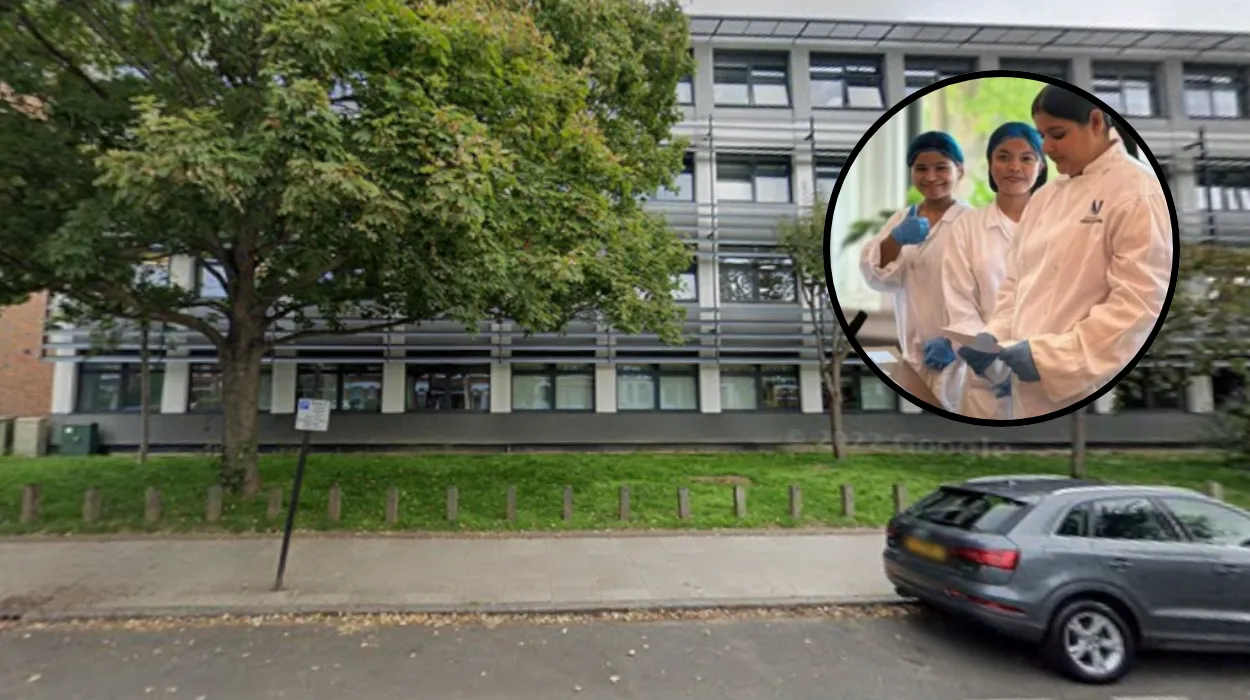
Ealing (Extra London News) June 4, 2026 — A pioneering group of local residents, culinary students, and national health service professionals converged at the University of West London’s (UWL) Ealing campus to examine how traditional ethnic foods can be utilised to foster healthier, more sustainable urban communities.
- Key Points
- Why Is Sustainable Nutrition Focusing on Ealing’s Traditional Diets?
- What Public Health Challenges Is This Project Trying to Solve?
- How Are Residents Collaborating With Chefs to Build the Cookbook?
- What Did Key Stakeholders and Health Experts Say About the Event?
- How Does This Event Fit Into the Broader Future Plates Movement?
The interactive summit, titled Future Plates, Future Chefs, was hosted by the London Geller College of Hospitality as a landmark presentation of the Planetary Foods and Cultural Competence Project. This borough-wide program, directed locally by the Healthier Lifestyle Service at the West London NHS Trust, is currently leveraging community engagement to develop an inclusive cookbook celebrating Ealing’s extensive multicultural food traditions while meeting modern environmental criteria. Supported by Ealing Council and the Ealing Food Partnership, the project highlights how native diets can naturally promote wellness, protect regional agriculture, and lower greenhouse gas emissions without sacrificing cultural identity.
The gathering combined academic analysis with grassroots culinary practice. Attendees observed technical demonstrations from university hospitality lecturers and independent food experts, while tasting diverse dishes co-designed by Ealing residents. Featured preparations included traditional Goan cucumber cake, butternut squash masala, and precisely spiced couscous. Each recipe was selected to demonstrate how plant-forward, wholegrain-centric traditional meals can naturally satisfy the strict requirements of the global “Planetary Health Diet” while remaining affordable and accessible to metropolitan populations.
Why Is Sustainable Nutrition Focusing on Ealing’s Traditional Diets?
As reported by an editorial correspondent for Ealing.News, food within this specific London borough represents far more than mere daily sustenance; it stands as a core anchor for personal memory, cultural identity, and community connection. However, as regional dialogues regarding climate change and carbon footprints intensify, many residents face challenges when attempting to balance hereditary culinary traditions with contemporary ecological expectations.
According to official briefings from the West London NHS Trust communications team, the Planetary Foods and Cultural Competence Project was established to directly address this tension. The structural ethos of the initiative is modeled comprehensively on the universally recognised Planetary Health Diet, a nutritional framework designed to optimize human health while minimizing structural damage to the Earth’s biosphere. The program actively champions a structural shift toward consuming higher volumes of wholegrains, fruits, vegetables, legumes, and nuts, while concurrently reducing the heavy consumption of meat, dairy, and fish.
What Public Health Challenges Is This Project Trying to Solve?
In an investigative report published by West London NHS Trust News, health analysts highlighted stark public health disparities existing within the regional demographic. Data from public health assessments conducted across England revealed that in 2021, only a distinct minority of adults maintained a medically healthy weight. Crucially, the occurrence of clinical obesity was found to be disproportionately higher in socio-economically deprived municipal areas, standing at 34 percent, compared to a significantly lower 20 percent recorded in high-income localities—representing an overall public health gap of 14 percent.
Project organizers note that these nutritional imbalances contribute heavily to the onset of debilitating, long-term chronic illnesses. As detailed by reporters at Ealing.News, the adoption of a plant-forward planetary health diet has been clinically demonstrated to reduce the risk of developing Type 2 diabetes and advanced cardiovascular disease. By targeting vulnerable communities within Ealing with culturally relevant food education, the coalition aims to alter these systemic disease trajectories directly at the community level.
Explore More Ealing News
14-Year-Old Boy Stabbed in Greenford Broadway Assault: Ealing 2026
Fatal Eastcote Lane Collision Sparks Police Investigation: Ealing 2026
How Are Residents Collaborating With Chefs to Build the Cookbook?
As documented in the program portfolio published by the Healthier Lifestyle Service (HLS), the creation of the upcoming community cookbook is relying on a rigorous methodology of localized co-design. The process initiated with an extensive series of community focus groups where Ealing residents systematically shared family narratives, traditional shopping habits, and the profound emotional meanings tied to their ancestral food practices.
As reported by the West London NHS Trust media team, these initial analytical focus groups revealed a substantial local demand for a practical, accessible instructional guide to planetary health diets that remained respectful of diverse ethnic backgrounds. Following these findings, several community co-designers were formally selected from the public and put through targeted training pathways. These residents worked directly under the guidance of professional UWL hospitality lecturers and specialized HLS clinical staff.
Through five distinct, highly structured co-design workshops, participants successfully began drafting the framework of the booklet. The finalized publication is designed to function as a public resource that seamlessly blends cultural pride, ecological sustainability, and highly practical, budget-conscious kitchen advice.
What Did Key Stakeholders and Health Experts Say About the Event?
The mid-project exhibition, officially called Planetary Health in Action, took place on Monday, 27 April 2026, serving as a critical operational milestone for the coalition.
Rosanna Jones, West London NHS Trust
As reported by a specialist health reporter for West London NHS Trust News, Rosanna Jones, a designated Health Improvement Practitioner in Diabetes Health and Wellness Coaching at the West London NHS Trust, emphasized the deep institutional commitment to maintaining cultural integrity within modern preventative medicine. Leading the project locally, Jones stated that:
“At West London, we’re working with communities in Ealing to ensure that cultural food heritage and sustainable, culturally relevant, health‑promoting diets can exist side by side.”
Abbie, Ealing Food Partnership
Further administrative perspective was provided by a leading representative of the regional food security network. As reported by the senior education editor at Ealing.News, Abbie, an official speaking on behalf of the Ealing Food Partnership, emphasized that sustainable lifestyle shifts do not require the erasure of regional heritage. Commenting on the strategic goals of the community-led cookbook, Abbie stated that:
“We want everyone in Ealing to know that eating sustainably doesn’t mean giving up your traditional recipes. You can keep your cultural traditions and simply adapt them to be healthier for you and better for the planet.”
Abbie further expanded on the broader socio-ecological ambitions of the localized campaign, affirming that:
“Our goal is to make sure our communities have the tools to improve their health, support our local farmers, and protect the environment.”
How Does This Event Fit Into the Broader Future Plates Movement?
The recent community event at UWL builds directly upon historical institutional frameworks established by global sustainability organizations. According to archived organizational data published by Forum for the Future, the Future Plates initiative initially launched as a dedicated collaborative pilot during the 2019/2020 academic year alongside the University of West London.
The Original Educational Framework
As detailed in the Future Plates Insights Report: Cooking Up a Sustainable Future, compiled by researchers at Forum for the Future, professional chefs and culinary students hold an extraordinary, yet underutilized, capacity to steer public consumption habits toward planetary safety. Because commercial kitchens shape millions of daily meals and dictate supply chain sourcing, updating mainstream culinary education—which historically focused heavily on intensive meat and dairy preparation—is considered critical.
The underlying curriculum piloted at UWL involves eight standardized three-hour lessons seamlessly integrated into existing culinary management degrees. These modules educate future chefs on:
- Biodiversity preservation through diversified ingredient procurement.
- Commercial food waste mitigation in active hospitality environments.
- Protein rebalancing, focusing heavily on reducing reliance on animal proteins while mastering plant-based alternatives.
The Agroecological Connection
The Future Plates ethos has also drawn significant alignment from commercial catering partners operating within the capital. In a corporate review published by Lexington Catering, culinary writers detailed a parallel Future Plates, Future Food assembly hosted at UWL in conjunction with the environmental organization Mise En Plastic. That particular session focused heavily on the concept of agroecology—a holistic approach to farming that applies ecological and social principles to agricultural production.
As stated in the industry report by Lexington Catering, true food system transformation requires an unbreakable operational bond between the growers and the kitchen. By utilizing techniques like agroforestry (intercrop cultivation beneath protective tree canopies), farmers can naturally enrich soil structures, maximize crop nutrient absorption, and capture carbon. The Future Plates methodology teaches upcoming culinary professionals how to actively build direct routes to market for these regenerative agricultural producers, ensuring that commercial menus directly support environmental restoration.
The Planetary Health in Action assembly held in Ealing represents the localization of these high-level hospitality strategies. By taking sustainable techniques out of elite commercial test kitchens and placing them directly into the hands of multi-ethnic community co-designers, the partnership ensures that health-promoting, low-carbon lifestyles become achievable for the everyday consumer. Project organizers concluded the event by inviting new institutional partners and local residents to join the ongoing cookbook development process as it moves toward final publication.