Key Points
- Massive Disruption: Over 1,500 bus drivers are to embark on a series of strikes from Friday, 14th August, affecting 42 different routes in North London.
- Driver Frustration: Members of Unite Union at Arriva North London have accused the company of not resolving their concerns about unsafe working conditions in hot weather.
- High Temperatures: The drivers have complained that cab temperatures go as high as 40°C during heat waves due to ineffectiveness of the existing cooling system.
- Safety Hazards: The trade union points out that such work conditions can lead to health risks for drivers – heat stroke and dehydration – but also endanger public safety.
- Union Position: Sharon Graham, the General Secretary of Unite, blamed Arriva for putting corporate profits above safety considerations.
- Employer/ TfL Position: TfL says that they are trying to find ways to improve working conditions and also that all problems voiced by drivers are addressed.
- Strike Plan: Industrial action is supposed to take place during two months, from August to October.
North London (Extra London News) August 11, 2026 – North London faces a period of “huge disruption” as more than 1,500 bus drivers across eight major garages prepare to walk out in a long-running dispute over working conditions. The industrial action, coordinated by the trade union Unite, is scheduled to commence this Friday, 14th August, and potentially last for two months, affecting 42 bus routes essential to commuters across the region.
Why are bus drivers in North London going on strike?
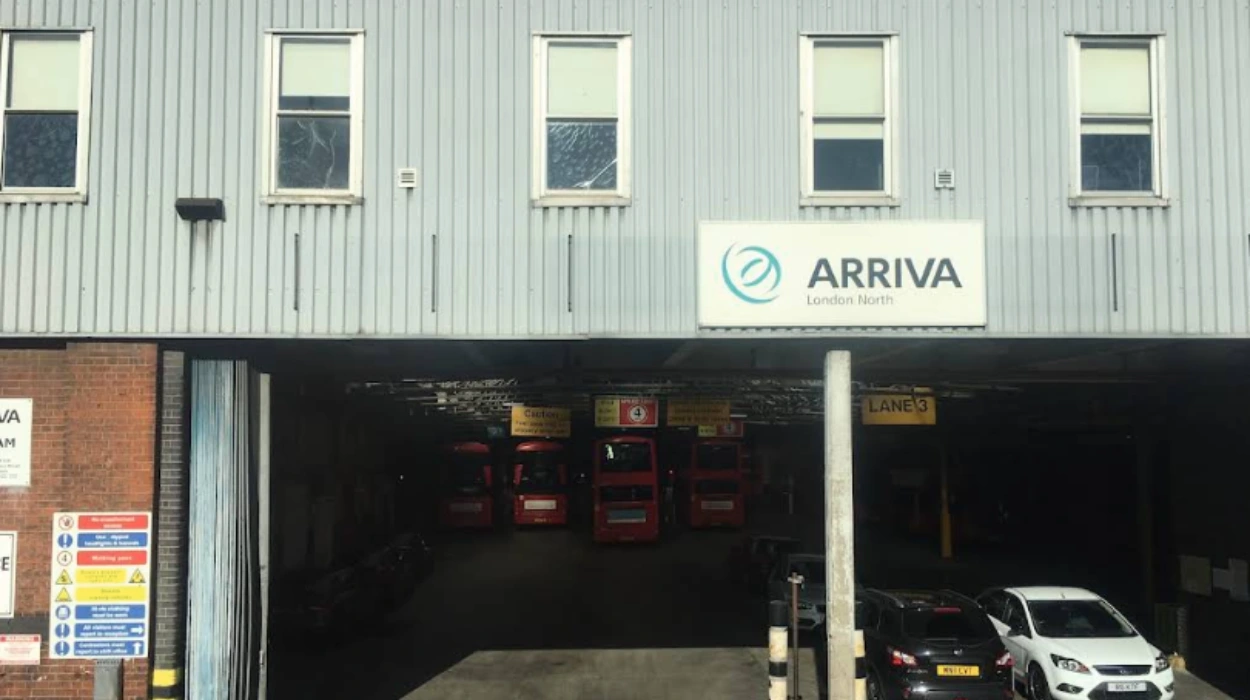
The dispute centres on claims from Unite members at Arriva North London that the company has failed to rectify unsafe working conditions in their vehicles during the summer heat.
As reported by the Barnet Post, the union claims that most Arriva buses in the area rely on air-cooling systems rather than full air conditioning. According to Unite, these systems are insufficient, failing to reduce interior temperatures by more than a few degrees during hot weather. Drivers have reported that their cabs have reached temperatures as high as 40°C on the hottest days of this summer, leading to significant concerns regarding health and safety.
The union argues that these conditions create a serious risk of heat exhaustion, dehydration, and heat stroke among staff. Furthermore, Unite contends that these health risks extend to the general public, as the extreme environment in the cabs could impair drivers and potentially lead to accidents.
What has the union said about the dispute?
Unite General Secretary Sharon Graham has taken a firm stance against the bus operator, accusing Arriva of failing its workforce.
As reported by the Barnet Post, Sharon Graham stated:
“Time and time again drivers have complained to Arriva North London about working in dangerous conditions but the company has failed to act which is completely unacceptable.”
Ms. Graham further criticised the financial priorities of the operator, adding:
“A profitable company such as Arriva could easily invest in improving conditions for its drivers and protecting the general public but is instead prioritising greed. We will back our members all the way in this dispute.”
Which bus routes will be affected by the industrial action?
The planned strikes will impact a vast network of 42 routes. Services affected include: 19, 29, 34, 41, 66, 67, 76, 102, 121, 141, 149, 150, 158, 175, 191, 192, 217, 221, 243, 248, 254, 259, 279, 307, 313, 329, 341, 349, 370, 375, 377, 616, 675, SL1, SL2, W3, W4, W6, N19, N29, N41, and N279.
The affected drivers are based at several key bus garages, including Edmonton, Enfield, Palmers Green, Stamford Hill, Tottenham, and Wood Green.
What is the timeline for the strikes?
The industrial action is not a single event but a series of walkouts spread over several months. The scheduled dates for the strikes are:
- 14th–15th August
- 18th–21st August
- 25th–28th August
- 4th–5th September
- 7th–8th September
- 18th–19th September
- 21st–22nd September
- 2nd–3rd October
- 5th–6th October
- 16th–17th October
- 19th–20th October
Commuters are being warned of significant delays and cancellations throughout these periods. The situation may be further compounded by planned closures on the Piccadilly Line during August and September, which threaten to severely limit transport options for North London residents.
Explore more Barnet News:
Barnet Tories Defend Kemi Badenoch Adviser in London, 2026
Barnet Council Loses £58m Housing Funding in 2026
How has Transport for London responded to the situation?
Transport for London (TfL), which commissions the bus services provided by Arriva, has sought to address the concerns raised by the union and drivers.
According to a TfL spokesperson, as quoted by the Barnet Post, the transport authority is working on a “range of measures” to improve driver working conditions and vehicle safety. The spokesperson stated: “We are committed to ensuring that all staff have a fair work schedule, with safe vehicles and access to the facilities they need to carry out their roles effectively.”
Furthermore, the spokesperson addressed concerns regarding internal reporting, adding: “We would like to reassure colleagues again that any reports from drivers are always fully investigated and our operators should never take action against people raising concerns about welfare.”
What should commuters do to prepare?
With the industrial action set to begin this Friday, transport officials are advising passengers to plan ahead. TfL has directed members of the public to visit their official campaign page for the most up-to-date information on service availability.
As the dispute remains ongoing, the combination of summer heat and potential public transport chaos marks a challenging period for North London’s infrastructure, leaving thousands of commuters waiting to see if a resolution can be reached before the full extent of the two-month strike schedule begins.