Key Points
- Millions of Londoners voted in the 2026 local elections to choose councillors across the capital’s 32 boroughs.
- A total of 1,817 local authority seats were contested in London.
- Mayoral contests took place in Croydon, Hackney, Lewisham, Newham and Tower Hamlets.
- Labour entered the contest defending the most councils after winning 21 boroughs in 2022.
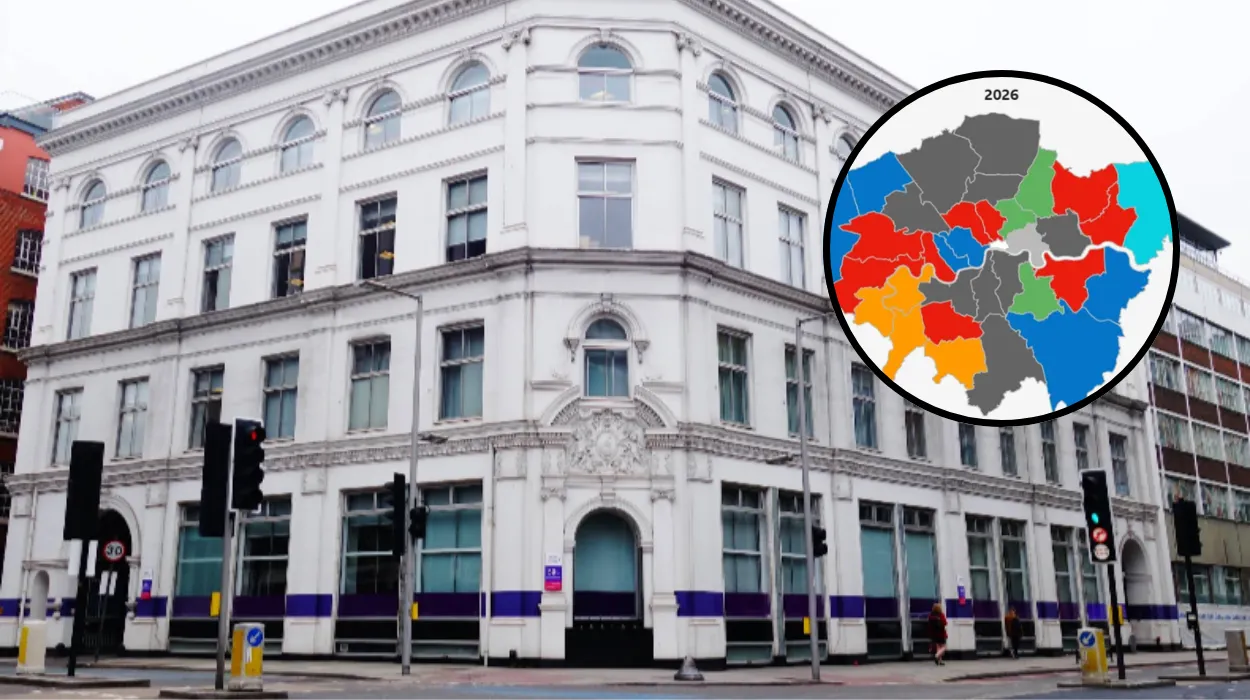
- The Green Party made major gains, winning a majority in Waltham Forest and taking majorities in Hackney and Lewisham.
- Labour suffered significant losses to the Greens in several boroughs.
- The Conservatives previously held six councils (from 2022) and the Liberal Democrats three.
- The Aspire party retained control of Tower Hamlets, with Lutfur Rahman re-elected as mayor.
- Reform UK (Nigel Farage’s party) won its first London borough, taking Havering, but failed to capture its other targets Bexley and Bromley.
- In individual mayoral results, Labour’s Forhad Hussain won Newham, the Greens’ Zoe Garbett won Hackney, Liam Shrivastava (Green) won Lewisham, and Conservative Jason Perry was re-elected in Croydon.
London (Extra London News) May 13, 2026 — Millions of Londoners went to the polls in the 2026 local elections to elect councillors across the capital’s 32 boroughs, with 1,817 council seats contested and mayoral contests held in Croydon, Hackney, Lewisham, Newham and Tower Hamlets, producing surprise gains for the Green Party, mixed fortunes for Labour and a first London borough win for Reform UK in Havering.
- Key Points
- What happened at the top of the vote? Who won the mayoral races, and why does it matter?
- How did the Green Party manage such major gains in London?
- What were Labour’s overall results and where did they lose ground?
- How did smaller parties perform — did Reform UK and Aspire make an impact?
- Why were these results different from 2022?
- Who are the notable individual winners and what do they signal?
- What was at stake in the 1,817 council seats and how will control of councils change?
- How might London’s new council makeup affect national politics?
- What local issues influenced voters across boroughs?
- How did turnout and voter behaviour compare with previous elections?
- Who will now lead the boroughs that changed hands?
- What can voters expect next from council administrations?
- Why did Reform UK succeed in Havering but fail in other target boroughs?
- How will the new political map affect council cooperation and services?
- What next steps follow the declaration of winners?
What happened at the top of the vote? Who won the mayoral races, and why does it matter?
As reported by the electoral counts and major outlets, Labour’s Forhad Hussain won the Newham mayoralty, the Green Party’s Zoe Garbett won in Hackney and Green candidate Liam Shrivastava took Lewisham, while the Conservatives held Croydon with Jason Perry re-elected and the Aspire party’s Lutfur Rahman was returned as Tower Hamlets mayor.
These results matter because mayoral control affects local housing, schools and social services spending at borough level and can shape each council’s political London Politics News direction for the next four years.
How did the Green Party manage such major gains in London?
According to election returns and commentary, the Green Party pushed from a minor presence to significant local power in parts of the city, capturing a majority in Waltham Forest where it had had no seats at the previous election in 2022, and winning mayoralties in Hackney and Lewisham — a swing that electoral analysts link to localised campaigning on housing, environment and grassroots mobilisation.
What were Labour’s overall results and where did they lose ground?
Labour, which was defending the highest number of councils after holding 21 boroughs in 2022, saw notable losses to the Greens and smaller parties in several areas, an outcome that will prompt internal reviews of strategy and messaging ahead of national and future local contests.
The Conservatives, who had controlled six councils after 2022, managed to hold Croydon’s mayoralty but otherwise faced a difficult night in parts of the capital; the Liberal Democrats continued to hold influence in a smaller number of boroughs but did not register dramatic new gains in the headline results.
How did smaller parties perform — did Reform UK and Aspire make an impact?
Reform UK, which rebranded from the Brexit Party in 2021, secured its first London borough by winning Havering, a notable milestone for Nigel Farage’s party, though it failed in targeted attempts to take Bexley and Bromley from the Conservatives.
The independent left-wing Aspire party maintained control of Tower Hamlets with the re-election of Lutfur Rahman, underscoring the staying power of local political groupings in some areas.
Why were these results different from 2022?
Electoral maps shifted because the 2022 contests in many boroughs were primarily two-way fights between the mainstream parties, while 2026 saw stronger third-party showings — especially the Greens — and tactical shifts by voters driven by local issues such as housing, council services and environment that allowed smaller parties to convert concentrated local support into seats.
Who are the notable individual winners and what do they signal?
As reported by local returns, Forhad Hussain (Labour) in Newham, Zoe Garbett (Green) in Hackney and Liam Shrivastava (Green) in Lewisham were among the headline winners, while Jason Perry (Conservative) held Croydon and Lutfur Rahman (Aspire) retained Tower Hamlets — results that signal a patchwork political landscape across London’s boroughs rather than uniform dominance by any single party.
What was at stake in the 1,817 council seats and how will control of councils change?
All 1,817 seats across London were contested, with control of borough councils and individual council chambers determining local budgets, planning committees and the administration of key services; the distribution of those seats following the vote will determine which parties lead each council and set local priorities for the coming term.
How might London’s new council makeup affect national politics?
Political commentators note that strong Green gains and Labour losses in some boroughs will be read for signs about the national mood ahead of future parliamentary elections; while local elections are about borough-level issues, they are often used as a barometer of party performance and public sentiment at the national level.
What local issues influenced voters across boroughs?
Analysts and campaign literature highlighted housing shortages, homelessness, council housing policy, environmental concerns, local services and cost-of-living pressures as central to many voters’ decisions, issues on which smaller parties such as the Greens presented distinct local platforms that resonated in targeted communities.
Explore More London Politics News
London 2026 Elections: Green Party & Reform UK Borough Wins
London local elections 2026 results: Labour loses ground, Reform wins Havering
How did turnout and voter behaviour compare with previous elections?
Turnout levels varied between boroughs and are still being tallied in full, but the presence of more competitive races involving Greens and other smaller parties increased engagement in several wards, converting local activism into measurable votes and seats.
Election results and on-the-ground reporting were widely covered; for precise attributions to statements, campaign responses and official comment, consult individual reporters and media titles who broke local counts and interviewed candidates on the night.
Who will now lead the boroughs that changed hands?
In boroughs where parties took control, newly elected council leaders and mayors will assume responsibility after formal counts and certification, with incoming administrations publishing their priorities for housing, planning and service delivery in the weeks ahead.
Count officials and electoral services in each borough oversee certification; while headline results indicate winners and seat changes, final tallies and any recounts or legal challenges will be resolved through the formal electoral processes under the supervision of local returning officers.
What can voters expect next from council administrations?
Residents should expect new and re-elected mayors and council groups to set out budgets, staffing and policy priorities for the next municipal term, with calls from opposition parties for scrutiny and possible coalition agreements where no single party holds overall control.
Why did Reform UK succeed in Havering but fail in other target boroughs?
Analysis points to local demographic and political conditions in Havering that provided an opening for Reform UK to convert protest or disaffected Conservative votes into a borough win, while in Bexley and Bromley entrenched Conservative support and local campaigning blunted Reform’s advances.
Parties issued immediate statements: Labour acknowledged a challenging night in some areas while celebrating other wins; the Green Party hailed historic breakthroughs in borough power; Conservatives noted pockets of success such as Croydon’s mayoralty; Aspire celebrated the return of Lutfur Rahman in Tower Hamlets; and Reform UK marked Havering as a milestone for its growth in London politics.
How will the new political map affect council cooperation and services?
Where no party has an outright majority, boroughs may see coalition administrations, confidence-and-supply arrangements or minority administrations that require negotiation across party lines, potentially complicating decision-making on budgets and major planning decisions.
Commentators will examine ward-level data, turnout patterns and demographic shifts to understand the mechanics of Green gains and Labour losses, and to forecast implications for national parties ahead of parliamentary cycles.
What next steps follow the declaration of winners?
Elected councillors will be formally declared and take their seats according to each council’s timetable, mayors will be sworn in where applicable, and follow-up reporting will track early policy announcements and any immediate administrative changes by incoming leadership.