Key Points
- Paul McCartney announced Monday that The Beatles’ first official London museum will open next year
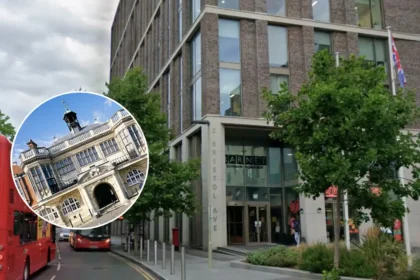
- The museum will be located at 3 Savile Row in Mayfair, where the band recorded its final album and played its last gig
- The attraction is titled “The Beatles at 3 Savile Row” and will span seven floors
- Never-seen-before archive material will be displayed throughout the venue
- A recreated basement studio will feature where the Fab Four recorded their 1970 “Let It Be” album
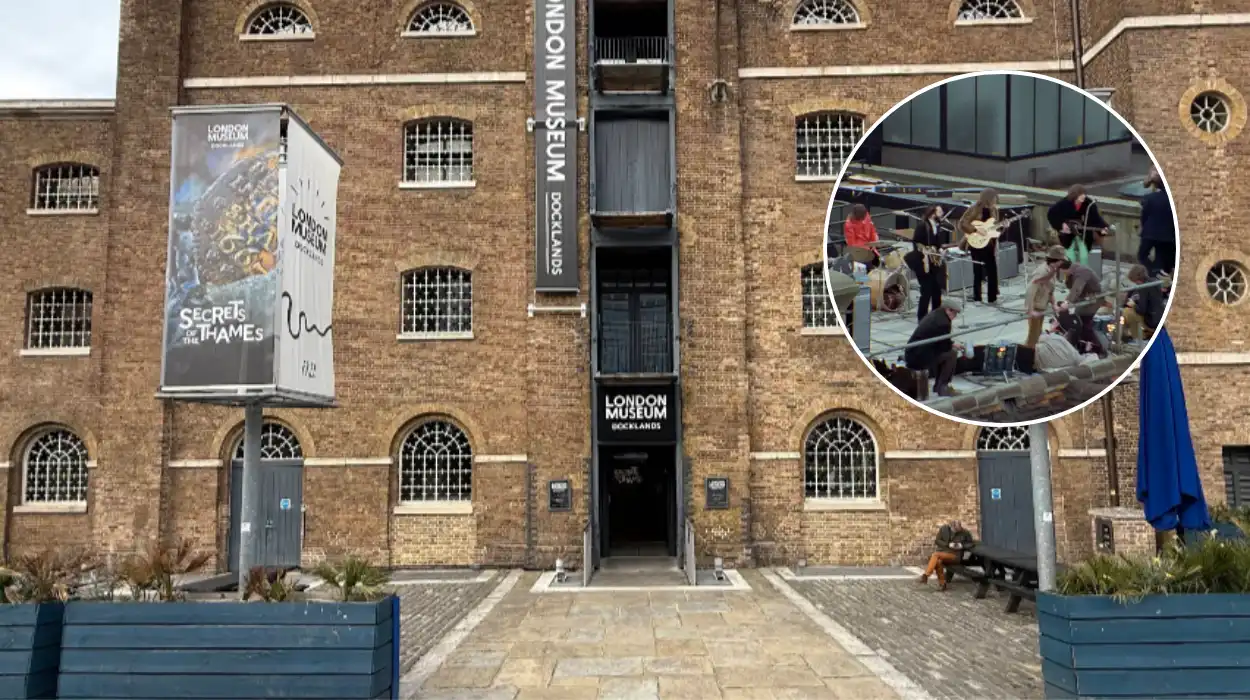
- Visitors will gain access to the iconic rooftop where the band staged their famous 1969 performance
- The building is better known for traditional bespoke tailors on this upmarket central London block
- McCartney told the BBC that tourists can visit Abbey Road but cannot go inside, making this museum a “terrific idea”
- The museum addresses a gap in Beatles tourism in London compared to Abbey Road Studios
London (Extra London News) May 11, 2026 – The Beatles’ first official London museum is set to open next year in the Mayfair building where the band recorded its final album and played its last gig, Paul McCartney announced Monday. The attraction, titled “The Beatles at 3 Savile Row,” will feature seven floors of never-seen-before archive material and a recreated basement studio where the Fab Four recorded their 1970 “Let It Be” album, marking a landmark moment for Beatles fans and music heritage preservation in the British capital.
- Key Points
- What Exactly Is Being Announced About the new Beatles Museum?
- Why Hasn’t There Been a Beatles Museum in London Before Now?
- Where Exactly Will the Museum Be Located and What Makes This Site Significant?
- When Will the Museum Open and What Can Visitors Expect?
- Who Is Behind This Project and What Are Their Credentials?
- How Will This Museum Compare to Other Beatles Attractions?
- What Does This Mean for Beatles Tourism in London?
- What Statements Did McCartney Make About the Project?
- Can Visitors Really See Never-Before-Seen Archive Material?
- What Is the Historical Significance of 3 Savile Row?
- Why Is This First Official London Museum Important for Music Heritage?
What Exactly Is Being Announced About the new Beatles Museum?
As reported by LiveLyrics in their coverage of McCartney’s announcement, the former Beatle revealed that “The Beatles at 3 Savile Row” will occupy the historic building that serves as one of the most significant locations in rock music history.
The seven-floor venue will showcase archival material that has never been publicly displayed before, offering visitors unprecedented access to the band’s legacy.
“The attraction will feature seven floors of never-seen-before archive material,” the announcement detailed, emphasizing the museum’s commitment to presenting fresh content even to dedicated Beatles enthusiasts who have visited other Beatle-related attractions around the world.
The recreated basement studio represents a particularly significant element of the museum. This is where the Fab Four recorded their 1970
“Let It Be” album, a project that documented the band’s final recording sessions amid growing tensions that would ultimately lead to their breakup.
The recreation aims to provide visitors with an authentic sense of the environment where some of the band’s most notable late-period work was created.
Why Hasn’t There Been a Beatles Museum in London Before Now?
Addressing this important question, Paul McCartney provided clear insight into the reasoning behind the museum’s creation.
As reported by LiveLyrics, McCartney told the BBC:
“Tourists come to England and they can go to Abbey Road, but they can’t go inside… so I thought this was a terrific idea.”
This statement reveals a significant gap in Beatles tourism infrastructure in London. While Abbey Road Studios remains one of the most photographed locations for Beatles fans worldwide, the interior has remained largely inaccessible to the general public for decades.
The zebra crossing outside Abbey Road has become an iconic pilgrimage site, but fans have been unable to experience the actual recording studios where the band created some of their most celebrated work.
The Savile Row location offers something different and complementary. Unlike Abbey Road, which is primarily known for the exterior crossing, 3 Savile Row will provide full interior access to a historically significant Beatles location.
The building’s global recognition for traditional bespoke tailors contrasts with its musical significance, creating an interesting juxtaposition between London’s fashion heritage and its music heritage.
Where Exactly Will the Museum Be Located and What Makes This Site Significant?
The museum will be situated on the upmarket central London block of Savile Row in Mayfair, an area better known globally for its traditional bespoke tailors than for its musical history. This location choice carries profound significance for Beatles historians and fans alike.
As documented in the announcement, this is precisely where the band recorded its final album and played its last gig.
The rooftop of 3 Savile Row became the site of one of rock music’s most iconic performances on January 30, 1969, when The Beatles staged their famous “rooftop concert.”
This impromptu performance, lasting approximately 42 minutes, became the band’s final public performance and was later featured in the “Let It Be” documentary film.
The rooftop access included for museum visitors represents a particularly rare opportunity. Rooftop performances by major artists are uncommon, and rooftop concerts that achieve iconic status in music history are extraordinarily rare.
The Beatles’ rooftop concert remains the most famous example, and gaining access to this space will allow visitors to stand where McCartney, John Lennon, George Harrison, and Ringo Starr performed their final public show together.
The Mayfair location places the museum in one of London’s most prestigious districts, surrounded by luxury boutiques, high-end restaurants, and historic buildings. This positioning ensures the museum will be easily accessible to tourists visiting central London while maintaining the dignity and significance appropriate to the band’s legacy.
When Will the Museum Open and What Can Visitors Expect?
The museum is scheduled to open next year, though a specific opening date has not yet been announced. As reported in the coverage of McCartney’s Monday announcement, the timeline allows for thorough preparation of the seven floors of exhibits and the recreation of the historic basement studio.
Visitors to the venue can expect comprehensive access to multiple elements of Beatles history. The seven floors will each presumably focus on different aspects of the band’s career, with particular emphasis on their time at 3 Savile Row.
The never-seen-before archive material suggests that the museum will include photographs, documents, instruments, clothing, and other memorabilia that have been kept in private collections or storage until now.
The recreated basement studio will likely feature period-accurate recording equipment, allowing visitors to imagine the sounds and atmosphere of the “Let It Be” recording sessions.
Given McCartney’s attention to detail in other Beatles-related projects, including the “Get Back” documentary series he produced with Peter Jackson, visitors can expect high-quality, historically accurate recreations.
Rooftop access represents another unique feature. Visitors will be able to experience the same vantage point from which the band performed, potentially gaining appreciation for the acoustic challenges they faced and the public reaction when unannounced rock music suddenly erupted from a Mayfair rooftop.
Who Is Behind This Project and What Are Their Credentials?
Paul McCartney himself is the primary announced figure behind the museum initiative. As one of the four Beatles and a surviving member who has actively managed the band’s legacy in recent decades, McCartney brings unparalleled authenticity and authority to the project. His involvement ensures that the museum will have direct input from someone who actually lived through the experiences being displayed.
McCartney’s track record with Beatles heritage projects includes his collaboration on the “Get Back” documentary trilogy, which provided unprecedented access to the recording sessions for the “Let It Be” album.
This documentary, released on Disney+ in 2021, was praised for its detailed, unflinching look at the band’s final days and demonstrated McCartney’s commitment to presenting an accurate, nuanced picture of Beatles history.
The announcement came through McCartney’s direct statement to the BBC, indicating his personal involvement in disseminating information about the project. His quote about tourists being unable to enter Abbey Road demonstrates his awareness of fan desires and his practical approach to solving this problem.
While McCartney is the publicly named driving force, the project likely involves collaboration with exhibition designers, curators, historians, and technical specialists to execute the vision properly. The scale of seven floors suggests significant investment and professional expertise beyond what any individual could manage alone.
How Will This Museum Compare to Other Beatles Attractions?
The Beatles-related attractions currently available to fans include Abbey Road Studios (exterior viewing only), the Beatles Story museum in Liverpool, and various private collections and smaller exhibitions. The Savile Row museum distinguishes itself through several key features.
Unlike Abbey Road, which remains largely inaccessible, the Savile Row museum will offer full interior access. This represents the fundamental difference that McCartney identified in his BBC interview. Fans can photograph the crossing outside Abbey Road, but they cannot tour the studios where “Sgt. Pepper’s Lonely Hearts Club Band,” “Abbey Road,” and countless other classics were recorded.
The Liverpool Beatles Story museum focuses on the band’s early years in Liverpool and their rise to fame. In contrast, the Savile Row museum concentrates on the band’s later period, specifically their time at Apple Corp’s headquarters and their final recordings. This provides complementary rather than competing content, allowing Beatles enthusiasts to experience different eras of the band’s career through different attractions.
The seven-floor scale of the Savile Row museum suggests it will be more comprehensive than most temporary exhibitions or smaller Beatle-related displays. The inclusion of never-seen-before archive material promises content that cannot be experienced anywhere else, even at established Beatles museums.
The rooftop access represents a unique selling point. No other Beatles attraction offers access to an actual performance site where the band played live. The acoustic and visual experience of standing on that rooftop, knowing what happened there, provides an emotional connection that looking at photographs or objects behind glass cannot replicate.
What Does This Mean for Beatles Tourism in London?
The opening of “The Beatles at 3 Savile Row” will significantly enhance London’s position as a destination for Beatles tourism. Currently, Beatles fans visiting London have limited options, primarily centered on exterior photo opportunities at Abbey Road and Cavern Club-related siteshonoring their early career, though the Cavern Club itself is in Liverpool.
This museum creates a substantial interior attraction that can be visited regardless of weather conditions, unlike the outdoor Abbey Road crossing which depends on good weather for comfortable viewing. The museum’s central Mayfair location places it within walking distance of other major London attractions, making it easy for tourists to incorporate into their itineraries.
The timing of the museum’s opening next year suggests it could capitalize on continued interest in Beatles history, which has remained strong decades after the band’s breakup. The success of the “Get Back” documentary demonstrated that new Beatles content continues to attract significant audiences, both from longtime fans and newer generations discovering the band’s music.
For London’s cultural tourism sector, the museum adds a major music heritage attraction to a city already rich in museums and historical sites. It complements existing music-related attractions such as the Grammy Museum London (planned), Marble Arch聆’s music venues, and numerous music history exhibitions.
What Statements Did McCartney Make About the Project?
McCartney’s primary statement to the BBC, as reported in the announcement coverage, directly addressed the motivation behind the museum. “Tourists come to England and they can go to Abbey Road, but they can’t go inside… so I thought this was a terrific idea,” McCartney said.
This concise statement reveals several important points. First, McCartney demonstrated awareness of what Beatles tourists actually want to experience. He recognizes that simply viewing the exterior of a significant location is incomplete compared to experiencing the interior where the actual history occurred.
Second, his characterization of the museum as a “terrific idea” indicates personal enthusiasm and approval. This is not a commercial venture he’s merely lending his name to; he genuinely believes in its value for fans and for preserving Beatles heritage.
Third, his statement implicitly acknowledges the limitations of the current Beatles tourism infrastructure in London. By pointing out what tourists cannot do (enter Abbey Road), he explains why the Savile Row museum is necessary and valuable.
The fact that McCartney himself made this announcement to the BBC, rather than through a press release or intermediary, suggests personal involvement and commitment to the project’s success. It also indicates that he considers the announcement significant enough to warrant direct communication from him.
As reported in the coverage, McCartney’s announcement came on Monday, indicating the news was recent and timely. His direct involvement in communicating this news demonstrates the importance he places on the museum and his desire to ensure accurate information reaches the public immediately.
Can Visitors Really See Never-Before-Seen Archive Material?
The announcement specifically highlights that the museum will feature “never-seen-before archive material” across its seven floors. This claim, if fulfilled, represents a major attraction for even the most dedicated Beatles collectors and historians who believe they have seen everything available about the band.
The phrase suggests that the archive includes items that have remained in private hands, storage, or reluctant display until now. Given McCartney’s longevity in controlling Beatles-related content and his access to the band’s extensive archives, such material likely exists. The challenge has been deciding when and how to share it with the public.
Never-before-seen material could include photographs from private collections, demo recordings, handwritten lyrics, correspondence, contracts, stage costumes, instruments, and personal items belonging to any of the four Beatles. The seven-floor configuration suggests enough space to display substantial quantities of such material without overwhelming visitors.
The inclusion of this archive material addresses a common criticism of music museums: that visitors who are already fans have seen most exhibits before. By promising genuinely new content, the Savile Row museum differentiates itself and provides a compelling reason for dedicated Beatles fans to visit even if they’ve already seen the Liverpool Beatles Story or other Beatle exhibitions.
The quality and authenticity of this archive material will benefit from McCartney’s direct involvement. As someone who lived through the experiences being documented, he can ensure that items are properly authenticated and presented with accurate context and interpretation.
What Is the Historical Significance of 3 Savile Row?
The building at 3 Savile Row holds multiple layers of historical significance for The Beatles and music history in general. As the announcement documented, this is where the band recorded its final album and played its last gig, establishing it as a Bookend location for their professional career as a functioning group.
The building served as the headquarters for Apple Corps, The Beatles’ multimedia corporation created in 1968 to replace their previous management arrangement. Apple Corps was intended to be a creative hub for the band and other artists, though it faced financial difficulties and management challenges throughout its existence.
The rooftop concert on January 30, 1969, remains one of the most famous impromptu performances in rock history. The Beatles, equipped with their instruments and amplifiers, performed on the rooftop for approximately 42 minutes before the Metropolitan Police ordered them to stop due to noise complaints. The performance included songs that would appear on the “Let It Be” album and was captured on film for the docu-mentary of the same name.
The recording sessions for “Let It Be” that took place in the basement studio are equally significant. These sessions, initially intended to be straightforward and return to the band’s live performance roots, ultimately documented the growing tensions between band members and their eventual breakup. The sessions were later reworked by producer Glyn Johns and subsequently by Phil Spector into the final album and documentary.
The choice of Savile Row for Apple Corps headquarters reflected the band’s ambitious vision for their post-Epm气的 business ventures. The prestigious Mayfair location signaled their determination to establish themselves as serious business operators, not just rock musicians. The contrast between the building’s traditional tailoring heritage and its new role as a rock music headquarters symbolizes the cultural shifts occurring in late 1960s Britain.
Why Is This First Official London Museum Important for Music Heritage?
The establishment of the first official London museum dedicated to The Beatles represents an important milestone for music heritage preservation in the United Kingdom. Despite The Beatles being arguably Britain’s most culturally significant musical export, London lacked a dedicated museum until now.
This gap was particularly notable given the band’s profound impact on British culture and the global recognition of London as a music tourism destination. The existence of the Liverpool Beatles Story museum meant that Beatles heritage was being preserved, but Liverpool is the band’s hometown, not London where they achieved international fame and where many significant later-career events occurred.
The Savile Row museum fills this geographical and historical gap by focusing on the London period of the Beatles’ career, specifically their final years together. This provides a more complete picture of Beatles history for visitors who want to understand the band’s full trajectory from Liverpool to international stardom to breakup.
For music heritage preservation more broadly, the museum demonstrates the ongoing commitment to maintaining and sharing significant cultural artifacts from the rock era. The Beatles’ influence on music, fashion, culture, and society continues decades after their breakup, and preserving their history ensures that future generations can understand this impact.
The official nature of the museum, with McCartney’s direct involvement, ensures authenticity and authority that independent or unofficial Beatles exhibitions may lack. This official status helps combat misinformation and provides a reliable source for Beatles historical information.
The seven-floor scale and comprehensive nature of the collection suggest that this museum aims to be definitive rather than temporary or limited. This positioning could establish it as the primary Beatles museum for serious fans and researchers, while still being accessible and enjoyable for casual visitors.