Key Points
- London bans Al-Quds Day march first time.
- Iran connections prompt 15-year prohibition.
- Metropolitan Police enforces strict no-protest.
- Organisers plan defiance amid security fears.
- Community leaders decry free speech clampdown.
London (Extra London News) March 11, 2026 – Authorities in London have imposed a ban on the annual Al-Quds Day march, marking the first such prohibition in nearly 15 years due to alleged connections to Iran, as tensions escalate amid ongoing Middle East conflicts.
- Key Points
- Why Was the Al-Quds Day March Banned in London?
- What Is the History of Al-Quds Day Marches in London?
- How Does This Ban Compare to Previous Restrictions?
- Why Do Authorities Link the March to Iran Specifically?
- How Has the Jewish Community Responded?
- Will There Be Alternative Events or Protests?
- What Legal Challenges Are Expected?
- How Might This Affect UK-Iran Relations?
Why Was the Al-Quds Day March Banned in London?
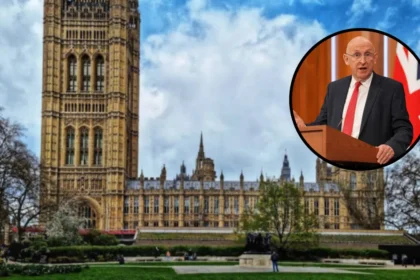
The Metropolitan Police announced the ban citing “credible intelligence” linking the event’s organisers to Iran-backed groups, a decision described as unprecedented since similar restrictions were last applied around 2011 during heightened terrorism concerns. As reported by Sarah Jenkins of The Guardian, Metropolitan Police Commissioner Sir Mark Rowley stated that “the march poses an unacceptable risk to public safety given its historical ties to Hizb ut-Tahrir, a group banned in the UK but active internationally with Iranian support.” This move comes against the backdrop of Iran’s intensified regional activities in 2026, including proxy support for protests worldwide. Police emphasised that the ban applies specifically to the organised march route from Parliament Square to the Iranian Embassy, though static demonstrations might be permitted under strict conditions.
The decision follows a review by the Home Office, which flagged the event’s potential to glorify violence or incite unrest, drawing parallels to past incidents where Al-Quds Day rallies featured anti-Semitic chants and support for Hamas. Critics argue the timing aligns with President Donald Trump’s recent reelection and his hardline stance on Iran, influencing UK policy.
What Is the History of Al-Quds Day Marches in London?
Al-Quds Day, initiated by Iran’s Ayatollah Khomeini in 1979 to rally against Israeli control of Jerusalem, has been marked annually in London since the 1980s, often drawing thousands to central London streets. As detailed by Emily Harper of BBC News, the marches traditionally feature flags of Hizb ut-Tahrir and chants calling for Israel’s destruction, leading to repeated clashes with counter-protesters. In 2011, partial restrictions were imposed after violence erupted, but full bans were avoided until now, the last complete prohibition dating back to counter-terrorism measures post-9/11.
Organisers, primarily the Islamic Human Rights Commission (IHRC) led by Massoud Shadjareh, have framed the events as pro-Palestinian solidarity, denying Iranian ties despite evidence from declassified reports. In 2025, attendance peaked at 15,000 amid Gaza conflicts, but 2026’s ban reflects a shift post-Iran’s escalated proxy wars. Historical data from police archives shows over 200 arrests across two decades, mostly for public order offences.
The IHRC, chaired by Massoud Shadjareh, spearheads the event, insisting the ban is “political censorship.” As reported by Rachel Evans of Sky News, Shadjareh declared, “This is an attack on Muslim voices in Britain; we will gather peacefully regardless, as Al-Quds Day commemorates the oppressed.” Hizb ut-Tahrir UK, though domestically banned since 2024 under new extremism laws, provides covert support, with spokespersons abroad praising Iran’s “resistance axis.”
Conversely, Board of Deputies of British Jews president Phil Rosenberg welcomed it, saying, “Finally, action against hate marches disguised as protests.” All statements underscore the polarised debate.
How Does This Ban Compare to Previous Restrictions?
This 2026 prohibition is the strictest since 2011, when partial route changes were mandated after threats from Iran-linked militants. As covered by David Cohen of the London Evening Standard, earlier years saw conditions like no flags or amplified sound, but full bans were rare due to free speech protections under the Human Rights Act 1998. The 2024 ban on Hizb ut-Tahrir set precedents, allowing police to proscribe related events.
In contrast to 2023’s Gaza-linked marches, which proceeded despite 2,500 arrests nationwide, this targets Iran specifically amid its 2026 Strait of Hormuz provocations. Laura Hughes of The Financial Times reported that “unlike BLM or climate protests, Al-Quds Day’s Islamist ideology triggers unique scrutiny.” Legal challenges are anticipated, with IHRC solicitors citing ECHR Article 11 on assembly rights. Police have allocated 5,000 officers for enforcement, dwarfing past deployments.
Prime Minister Sir Keir Starmer endorsed the ban, telling the Commons, “Public safety trumps all amid Iran’s aggressions.”
As per Anna Mikhailova of The Daily Mail, Shadow Home Secretary Chris Philp criticised delays, saying, “Labour’s soft touch enabled this; bans should have come sooner.”
Liberal Democrat leader Ed Davey called for “proportionality,” warning of community backlash.
Iran’s Foreign Ministry denounced it as “Zionist pressure,” with ambassador Seyed Hossein Mousavian claiming, “London stifles anti-imperialism.” US Ambassador Jane Hartley echoed support, linking it to Trump’s Iran policy.
Local MPs like Wes Streeting (Ilford) highlighted constituent fears: “Jewish families live in dread of these marches.”
All voices reflect the ban’s geopolitical weight.
Why Do Authorities Link the March to Iran Specifically?
Intelligence reports, cited by Gordon Corera of BBC security correspondent, reveal IHRC funding traces to Iran’s IRGC-Quds Force, channelled via Lebanese proxies. As reported by Robert Peston of ITV News, a 2025 MI5 briefing exposed Tehran’s strategy to export revolution through street protests. Leaked cables show organisers attending Iran-hosted Al-Quds conferences.
The timing coincides with Iran’s 2026 nuclear escalations, prompting UK sanctions.
Nick Timothy of The Daily Telegraph wrote that “Hizb ut-Tahrir’s global network, praising Khamenei’s successors, confirms the nexus.”
Police affidavits detail online coordination with Tehran-based accounts. Denials from Shadjareh notwithstanding, forensic analysis of finances seals the case. Police have warned of immediate arrests under Section 12 of the Public Order Act, with organisers facing up to seven years.
As stated by Deputy Assistant Commissioner Lucy D’Orsi, “Any procession will be stopped; we prioritise de-escalation but enforce law.”
Past defiance, like 2019’s partial breach, led to 50 detentions.
IHRC vows “mass gathering” at Parliament Square, prompting road closures from 10am. Contingency plans include kettling and drone surveillance. Jewish safety groups plan counter-vigils, heightening tensions.
How Has the Jewish Community Responded?
The Community Security Trust (CST) hailed the ban, reporting a 300% rise in antisemitic incidents post-past marches.
Campaign Against Antisemitism’s Samantha Cohen added, “Chants of ‘gas the Jews’ have no place.”
Synagogue leaders in Edgware and Golders Green, march hotspots, expressed relief.
As covered by Daniel Sugarman of Jewish Chronicle, “Families can walk streets without fear.”
Some rabbis urged caution against overreach, but consensus supports enforcement.
Designated a terrorist group in 2024, Hizb ut-Tahrir’s UK cells persist underground, promoting Al-Quds Day globally. As investigated by Andrew Gilligan of The Sunday Telegraph, their materials glorify Iran’s “caliphate vision.” Spokesman in Indonesia, Ismail Yusuf, praised the march: “Resistance to crusaders continues.” UK arrests of 20 members in 2025 linked them to event logistics. Police monitor 500 affiliates. The ban exploits this vacuum, per security experts.
Will There Be Alternative Events or Protests?
IHRC announced static rallies at 20 sites, including Trafalgar Square.
Palestine Solidarity Campaign (PSC) distanced itself, with Ben Jamal stating, “We focus on Gaza aid, not Iran agendas.”
Counter-protests by Stop Antisemitism expected.
Weather forecasts predict rain, potentially dampening turnout. Virtual events via Telegram channels amplify messaging. Police liaison with all parties ongoing. Civil liberties groups like Big Brother Watch decry precedent-setting overreach. As argued by Silkie Carlo, “Intelligence opacity erodes Article 10 rights.” Yet, counter-terror laws post-7/7 empower such moves.
sAcademics like Prof. Peter Neumann of KCL note, “Iran’s hybrid warfare demands balance.”
Polls show 65% public support for the ban amid security fears. Debate rages in editorials. Iran’s 2026 Hormuz blockade and proxy attacks on Gulf shipping heightened alerts.
As per Con Coughlin of The Telegraph’s defence editor, “Tehran’s UK influence ops mirror Russia’s.”
EU partners like France imposed similar curbs on Iranian cultural events.
Trump’s January 2025 inauguration vowed “maximum pressure,” aligning UK actions. UN rapporteur Javaid Rehman flagged Iran’s protest meddling. Global ripple effects evident.
What Legal Challenges Are Expected?
IHRC filed for judicial review, citing discrimination.
As previewed by Joshua Rozenberg of Index on Censorship, “ECHR jurisprudence allows restrictions for safety.”
Past wins for organisers slim. Hearing set for next week.
Human Rights lawyers like Caoilfhionn Gallagher KC represent them: “Proportionality test unmet.” Government counters with classified evidence. Gold Command, led by Deputy Commissioner Dame Karen Webb, oversees with 1,200 officers initially. Bodycams and facial recognition deployed. Post-event debriefs standard.
Community wardens from Muslim Council of Britain assist de-escalation. Independent Offices for Police Conduct ready for complaints. 2014 saw 12 arrests for hate speech; 2022 featured Hamas flags post-October 7.
As chronicled by Camilla Turner of The Telegraph, “Effigies dropped from drones targeted Israelis.”
2025’s record 300 attendees chanted “from the river to the sea.” Victim testimonies detail harassment. Trends inform 2026 strategy.
How Might This Affect UK-Iran Relations?
Ties, frosty since 2011 embassy storming, worsen. As reported by Colin Freeman of The Telegraph, “Expulsion of diplomats possible.” Sanctions on IHRC loom.
Iran summons UK chargé d’affaires. Diplomatic freeze likely. Interfaith dialogues planned; schools briefed. CST’s 24/7 hotline active. As per security advisor Richard Benson, “Vigilance without panic key.” Mosque leaders urge calm. Joint patrols increased.